
Western Sahara is home to the indigenous Saharawi people who speak Hassaniya and once roamed the region as pastoral nomads for centuries.
Hassaniya is a dialect of Arabic spoken in parts of North Africa, particularly in the regions of Western Sahara and Mauritania. Hassaniya has linguistic influences from a variety of sources but primarily Arabic. In the context of the contemporary struggle, Hassaniya has become an important means of expressing Saharawi identity and resistance.
Hassaniya evolved with distinct differences from other dialects of Arabic due to the geographic and historical contexts that shaped this language and the culture of its speakers.
Though, Hassaniya was traditionally an oral language, it can be written with Arabic Script.
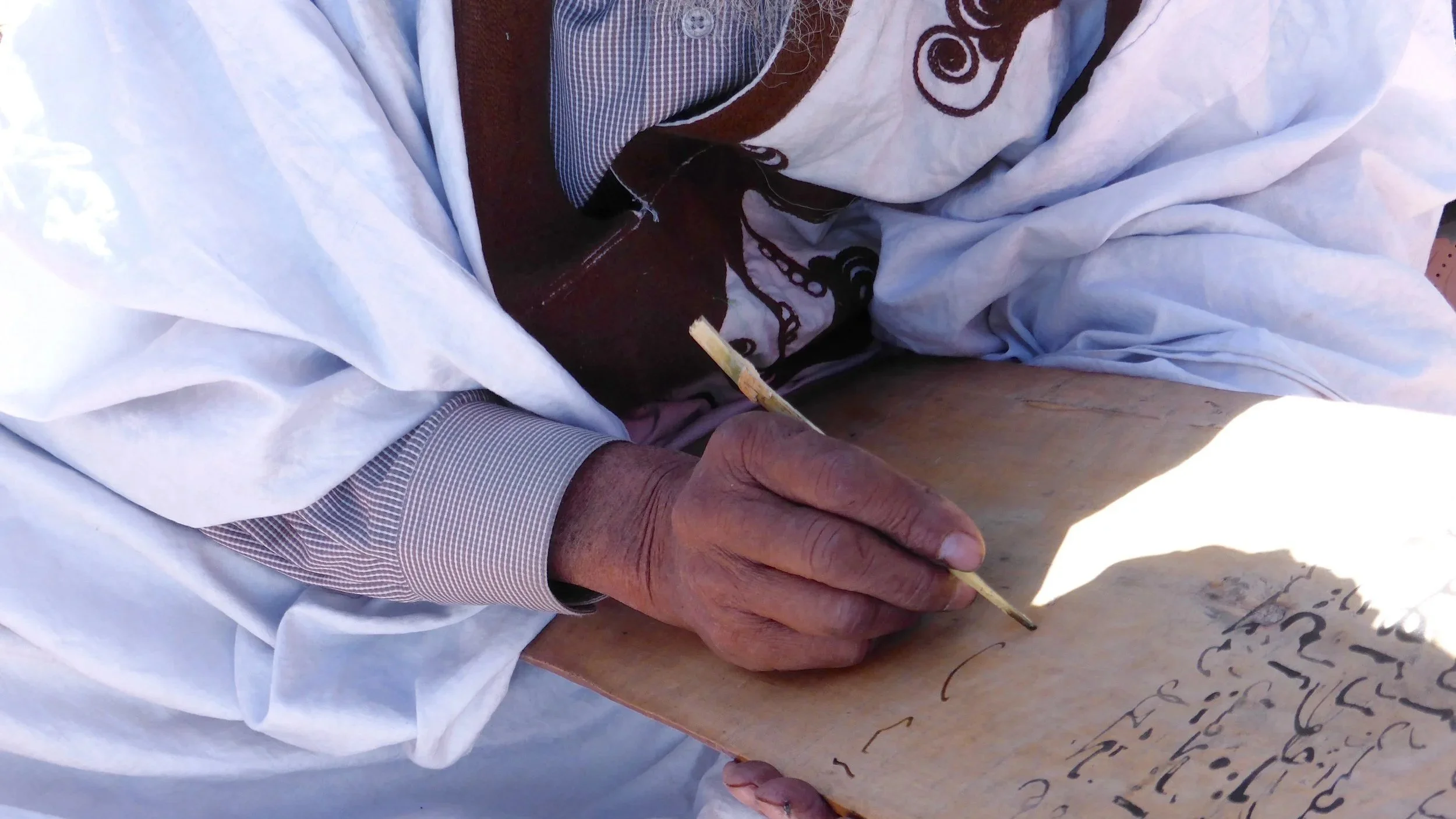
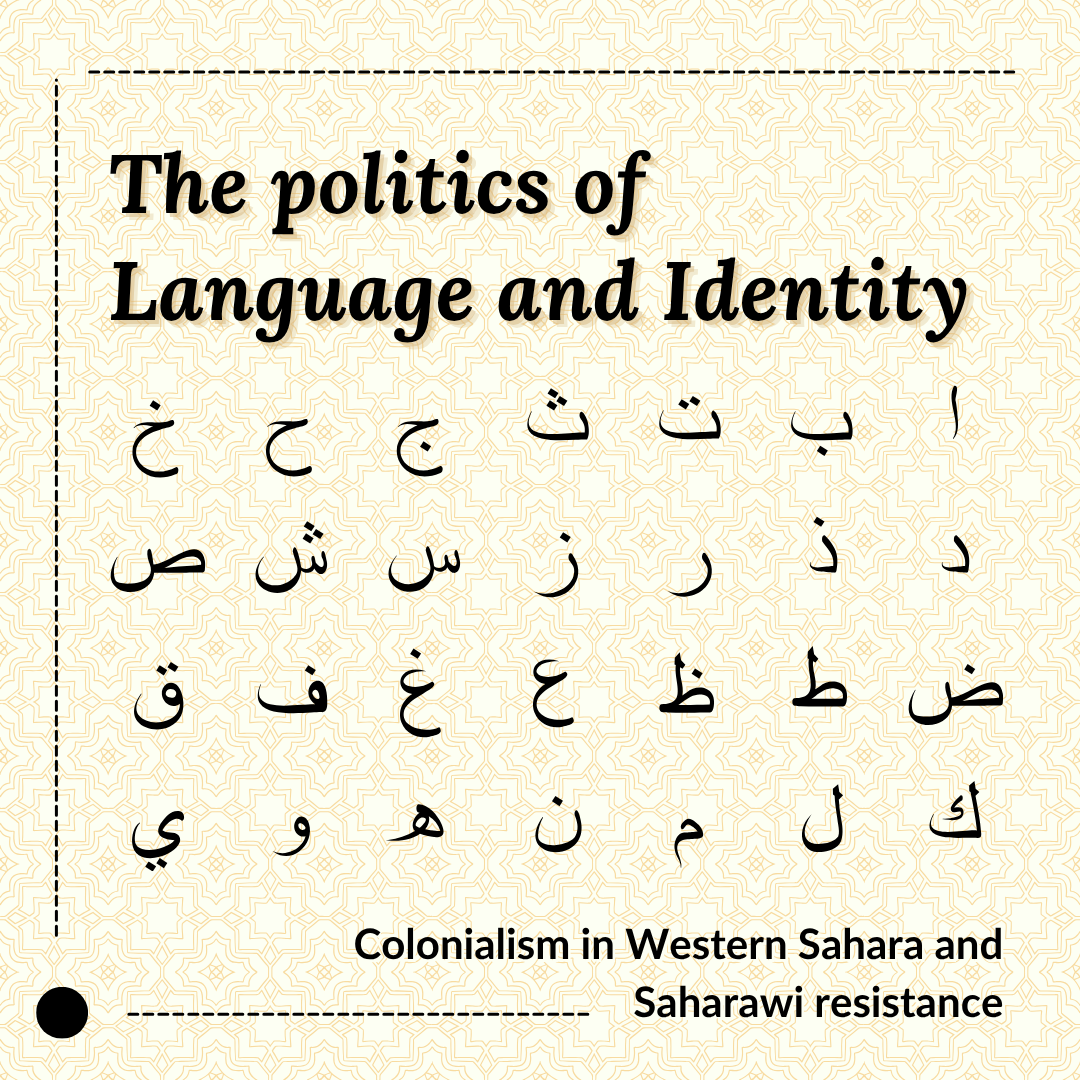
Their unwritten language is used for daily communication which embodies the Saharawi identity and their rich oral traditions of poetry, song, proverbs and story telling.
Representing a fusion of mainly Arabic and Berber influences, Hassaniya gets its name from the Beni Hassan Arab tribes, originating from the Yemen peninsula, who invaded the region in the 11th to 13th centuries.
Colonial Rule: Spain
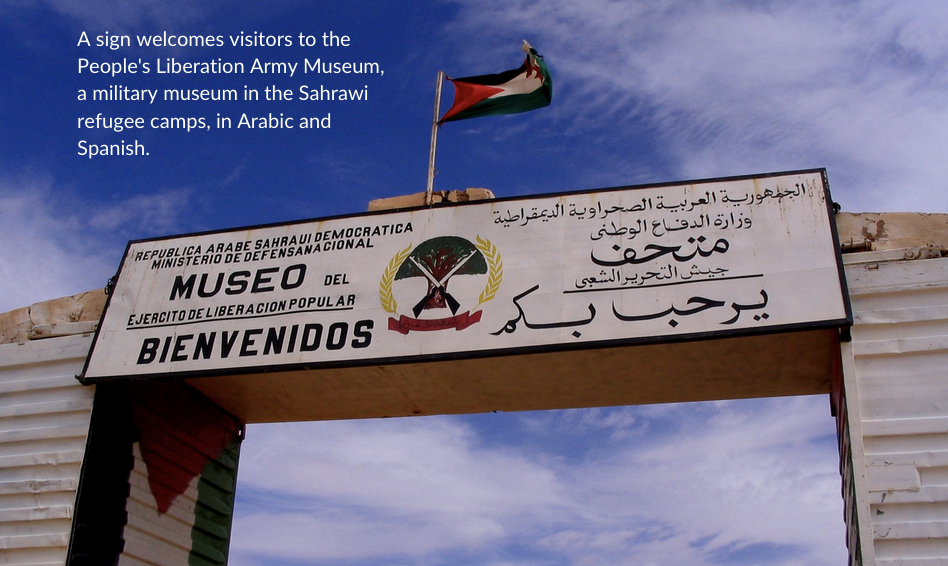
Spanish colonial rule introduced Spanish as the dominant language in administration and education, marginalising Hassaniya and limiting its use in formal settings.
The Spanish education system, which prioritized Spanish over Hassaniya, created a linguistic divide that disadvantaged those who were not fluent in Spanish, limiting educational and employment opportunities for native Hassaniya speakers.
The Impact of Moroccan Occupation
Colonialism in Western Sahara continues today through the politics of Moroccan rule.
Their militarized occupation of Western Sahara since 1975 has further marginalised Hassaniya by imposing Moroccan Arabic and French, pushing the native dialect to the periphery of official and educational use. Often, the use of Hassaniya is outrightly suppressed within in the occupied terrorities.
This ongoing process has led to a gradual erosion of traditional Saharawi cultural practices and linguistic expressions, threatening the preservation of their unique heritage. This is called Moroccanization, the process by which Saharawis undergo culturecide, and are forced to assimilate to Moroccan norms and cultural standards under occupation.
Moroccanization politics in Western Sahara deny the Saharawis living under the occupation, expression of their cultural identity through Hassaniya, which is seen as charged politically with their aspirations for independence.
Resisting Culturicide in Refugee Camps
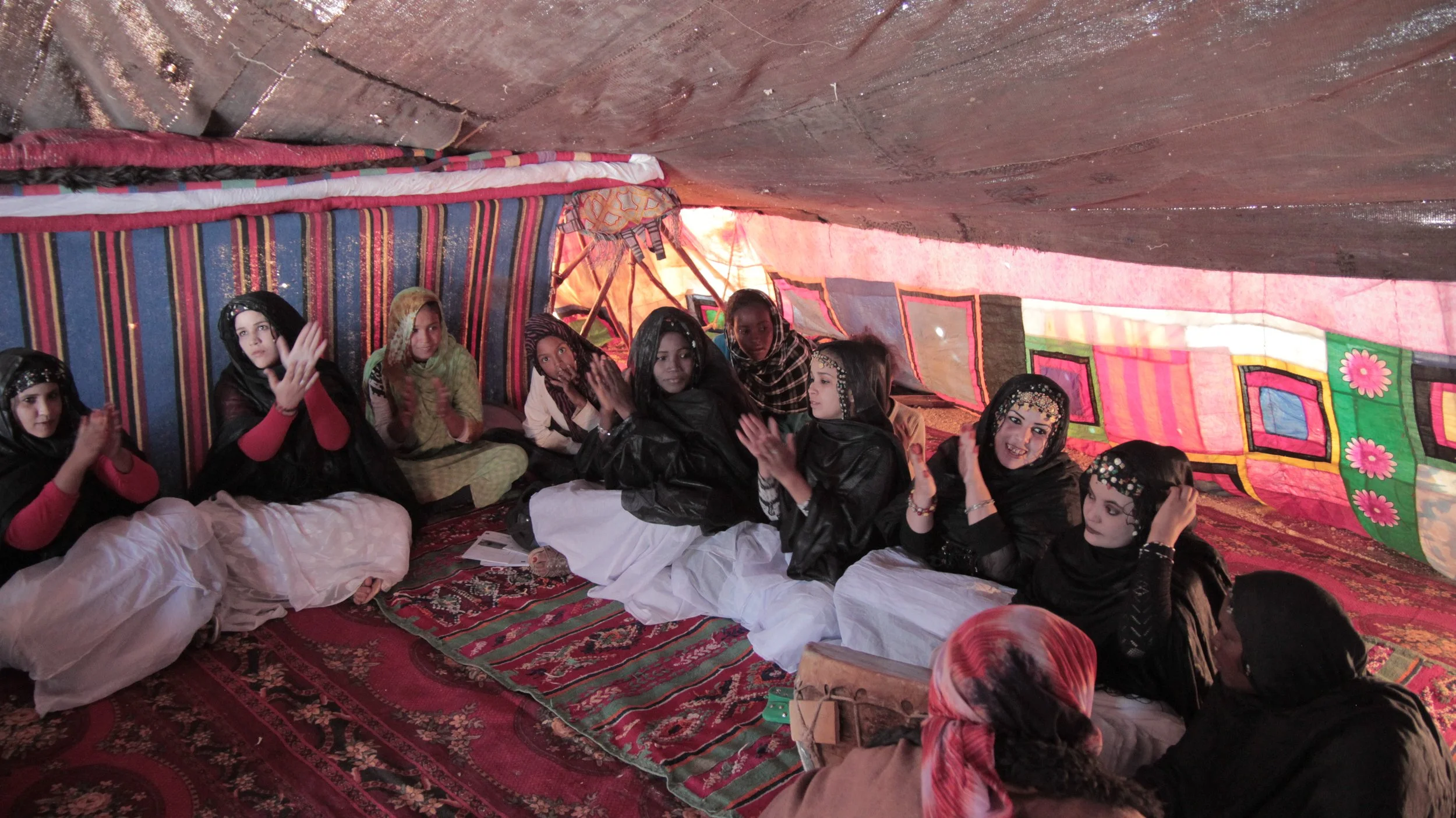
In the refugee camps, the Saharawis face the challenge of keeping pure Hassaniya alive due to the fact that a majority of their children study in Algerian schools after primary school and increasing numbers leave the camps to study or work in Spain and elsewhere.
The struggle for Western Sahara is not just about land, but also the fight to preserve the Sahrawi identity and history. Their language of Hassaniya stands not only as a symbol of resilience against cultural genocide but represents a vital contribution to the diversity of human culture and expression which must be protected.
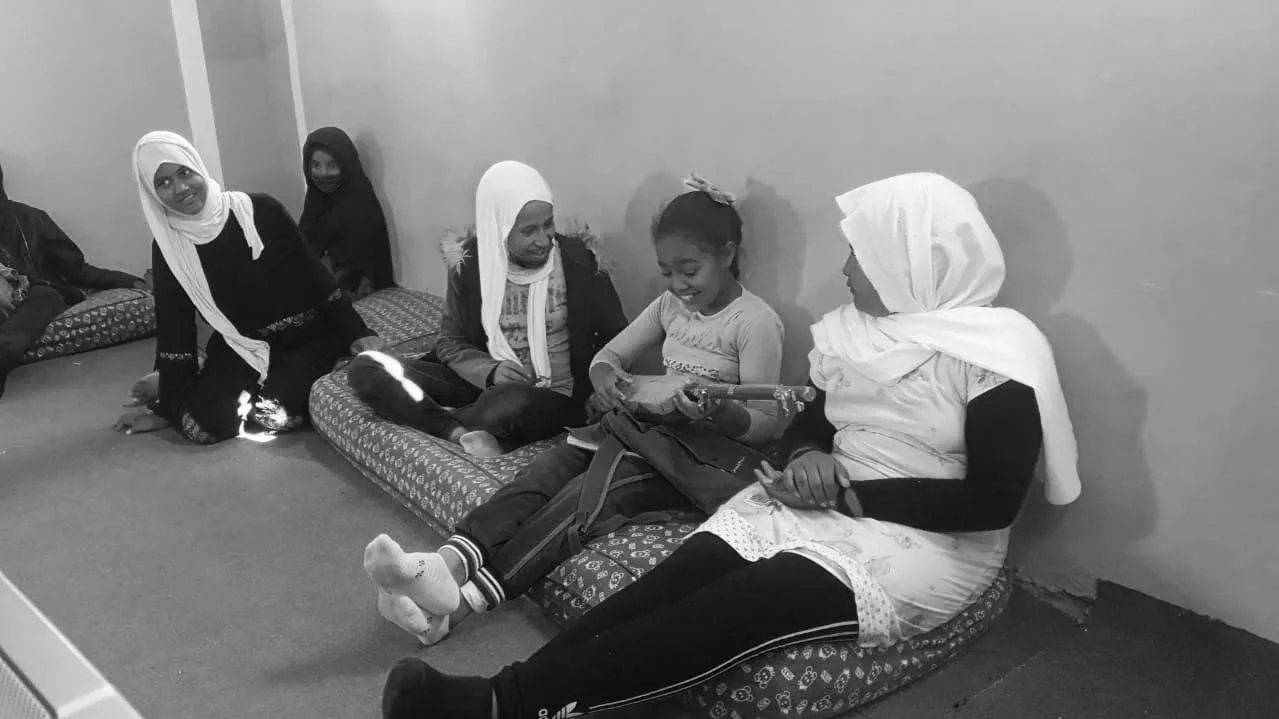
Girls at Desert Voicebox learning the Tidinit, a traditionally male Saharawi instrument
Cultural Preservation as Resistance
Art holds extraordinary power to cross boundaries, awaken emotions, and remind us of our shared humanity. For the Saharawis living under Moroccan occupation, art takes on an even deeper political meaning.
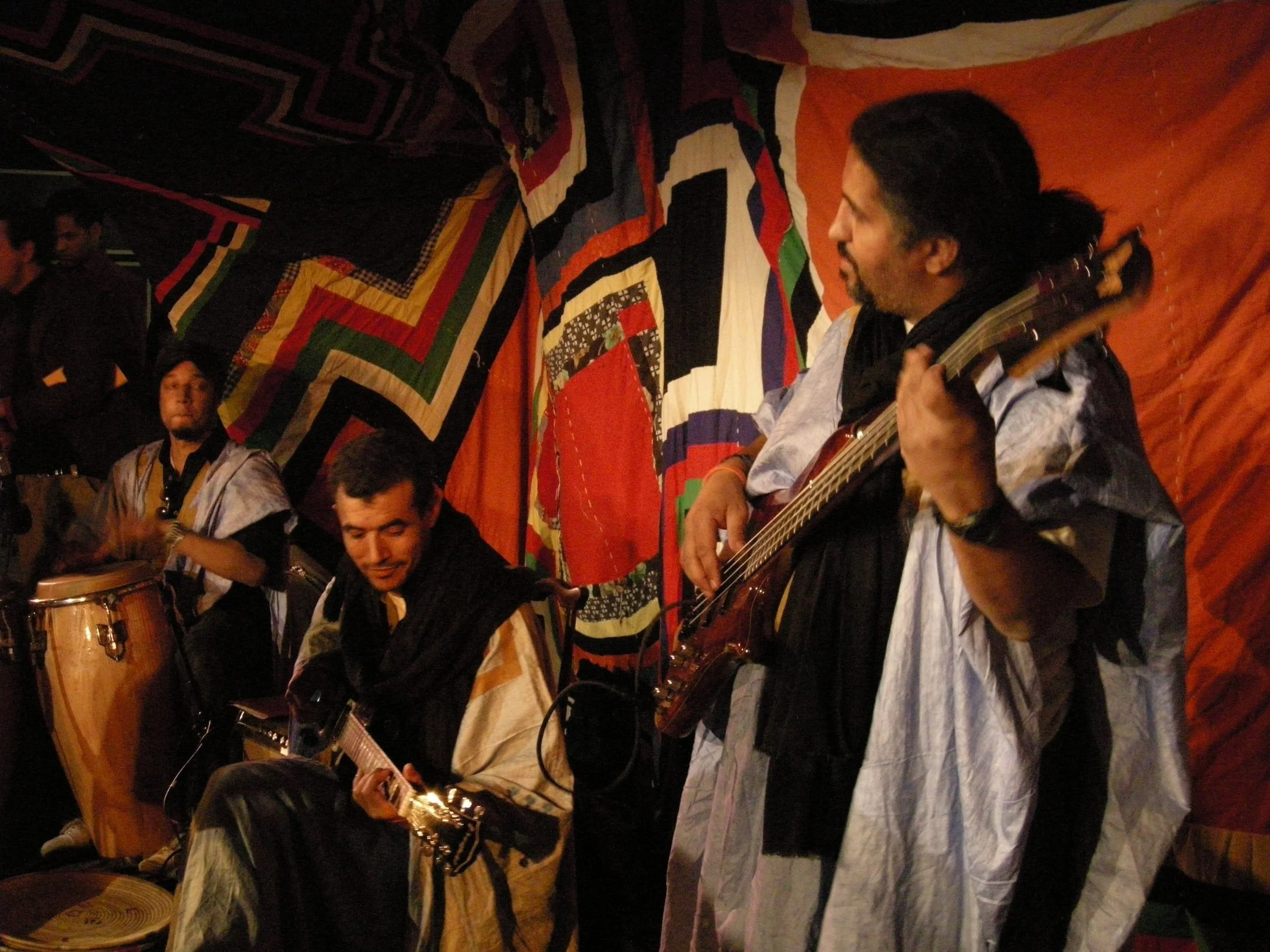
Historically, music has played an important role in expressing the Saharawi freedom struggle, and here at Sandblast, we value art as resistance. Many of our past projects have been rooted in uplifting Saharawi artists, and aiding their journey to share their work on the international stage.
Saharawi Traditions at Desert Voicebox
As part of our work to advocate for and support Saharawi voices, Sandblast has made sure to promote and incorporate cultural practice through our Desert Voicebox programme. Desert Voicebox is an afterschool enrichment programme for primary age students in Boujdour Camp in the Saharawi refugee camps of South West Algeria.
Our activities seek to empower Saharawi youth to strengthen their pride in their culture, discover their own voices, and speak out against injustice. The next generation of Saharawi artists, advocates, and visionaries are growing up in the refugee camps, and we hope to see them use their creativity to speak up, stand out, and share their culture with the world .
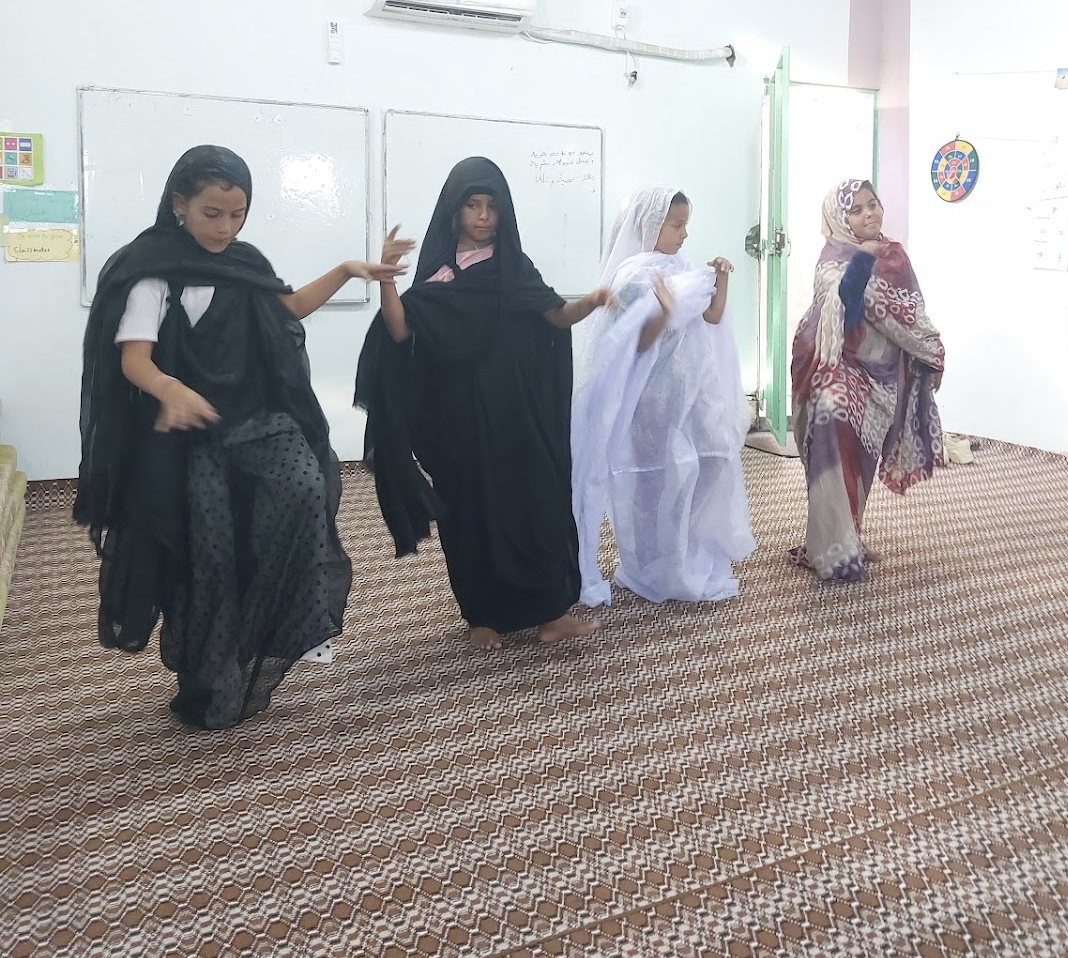
Students learning traditional dance
Through collaboration with local musicians in the camps, all ages of students are able to study their traditional music and dance. These are wonderful creative outlets that build confidence for refugee children, while also being a defiant act of Saharawi cultural promotion in the face of ongoing Moroccanization and cultural erasure.
With oral histories and poetry being such an integral part of Saharawi culture as well, Sandblast has made sure to promote cultural practice through language as well; like our Zombies in the Air Project, where students explored creating their own poetry about their experience as Saharawi refugee youth, growing up in the camps.
Learn more about Saharawi Culture Studies at Desert Voicebox here.
