The Saharawi Refugees
The Current Situation
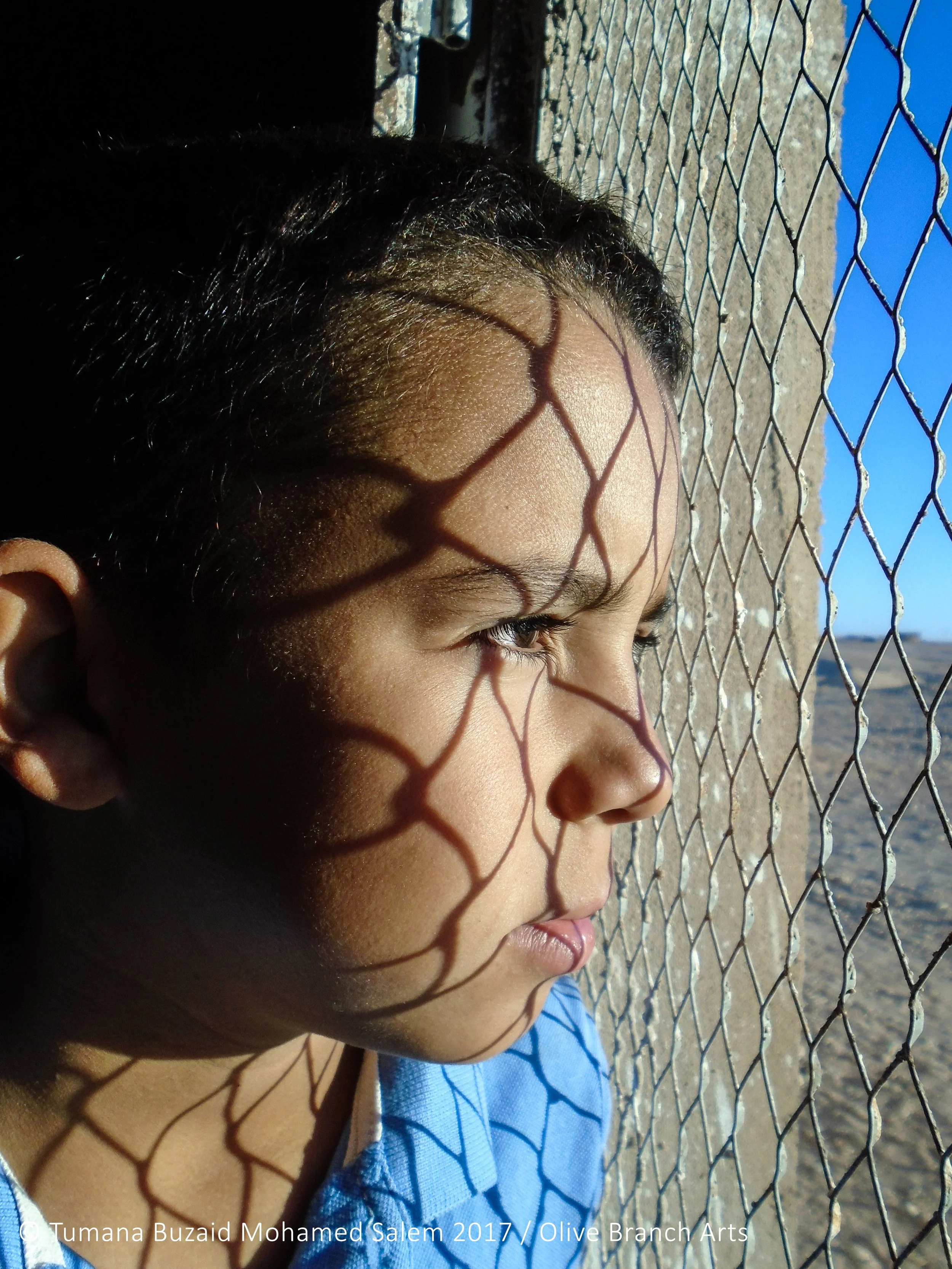
The Saharawis are the indigenous peoples of Western Sahara, who are currently fighting for their right to self-determination and to regain access to their ancestral lands. They hope for justice, and to regain their rights as sovereign people. They were historically a nomadic, pastoral, and tribal society, but for the last 50 years the Saharawi have been divided as a people. Roughly half have been living been isolated and subject systemic repression under the Moroccan Occupation in their homeland while the other half have living in a harsh desert exile in neighbouring Algeria.
According to the last UNHCR’s 2018 report, approximately 173,600 Saharawi refugees live in one of the hostile desert environments on earth—the Hamada in southwest Algeria. This barren land receives almost no rain, has little vegetation, and endures extreme temperatures: above 50°C in summer and below freezing in winter. Around 80% of the population are women and children, with many health issues linked to these severe conditions.
Now, 50 years after their displacement, the Saharawis remain heavily reliant on international aid for survival. A third generation has now grown up in the camps, facing limited access to quality education and few prospects for a better future.
How did they become refugees?
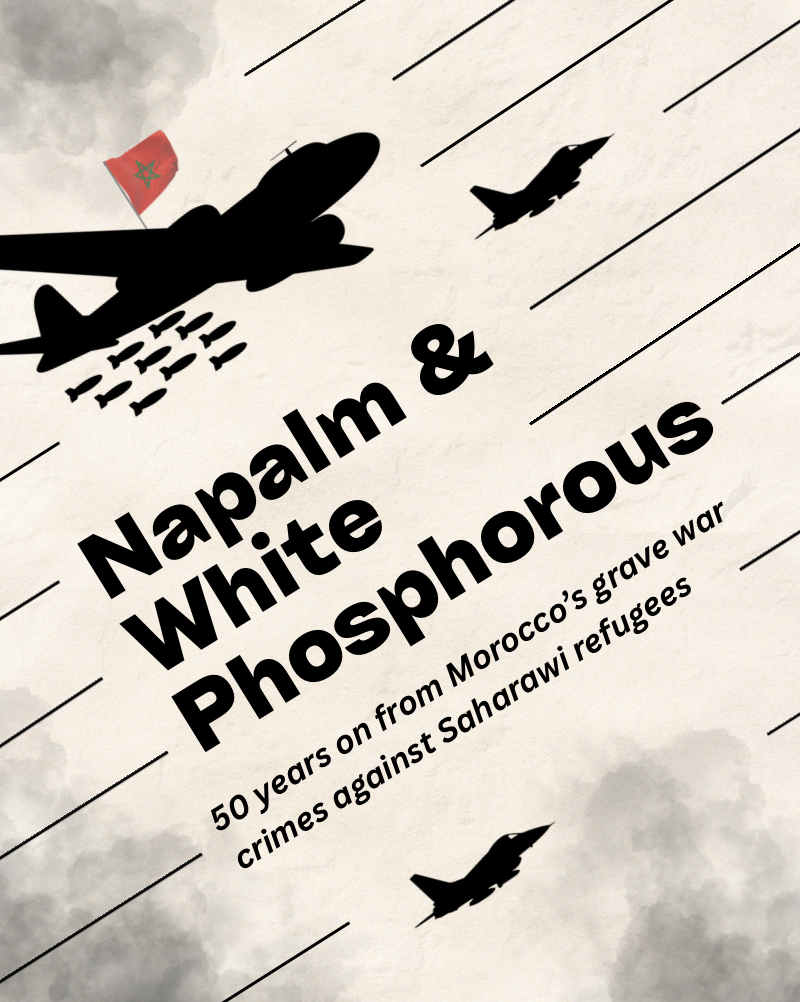
The Moroccan and Mauritanian invasions of 1975–76 forced the majority of Saharawis from their homes. Moroccan airstrikes using napalm and cluster bombs on civilian camps sparked a mass exodus.
Fearing genocide, the Polisario liberation movement secured Algerian support, which offered refuge in the desert near Tindouf. Refugees arrived on foot, traumatized, exhausted, and with virtually nothing. Early years were marked by extreme hardship, epidemics, and near-starvation.
A second wave of displacement followed in 1979, when Morocco annexed the territory vacated by Mauritania. Since then, apart from individual escapees, population movement has been limited—although new arrivals have sometimes been met with suspicion due to concerns over infiltration.
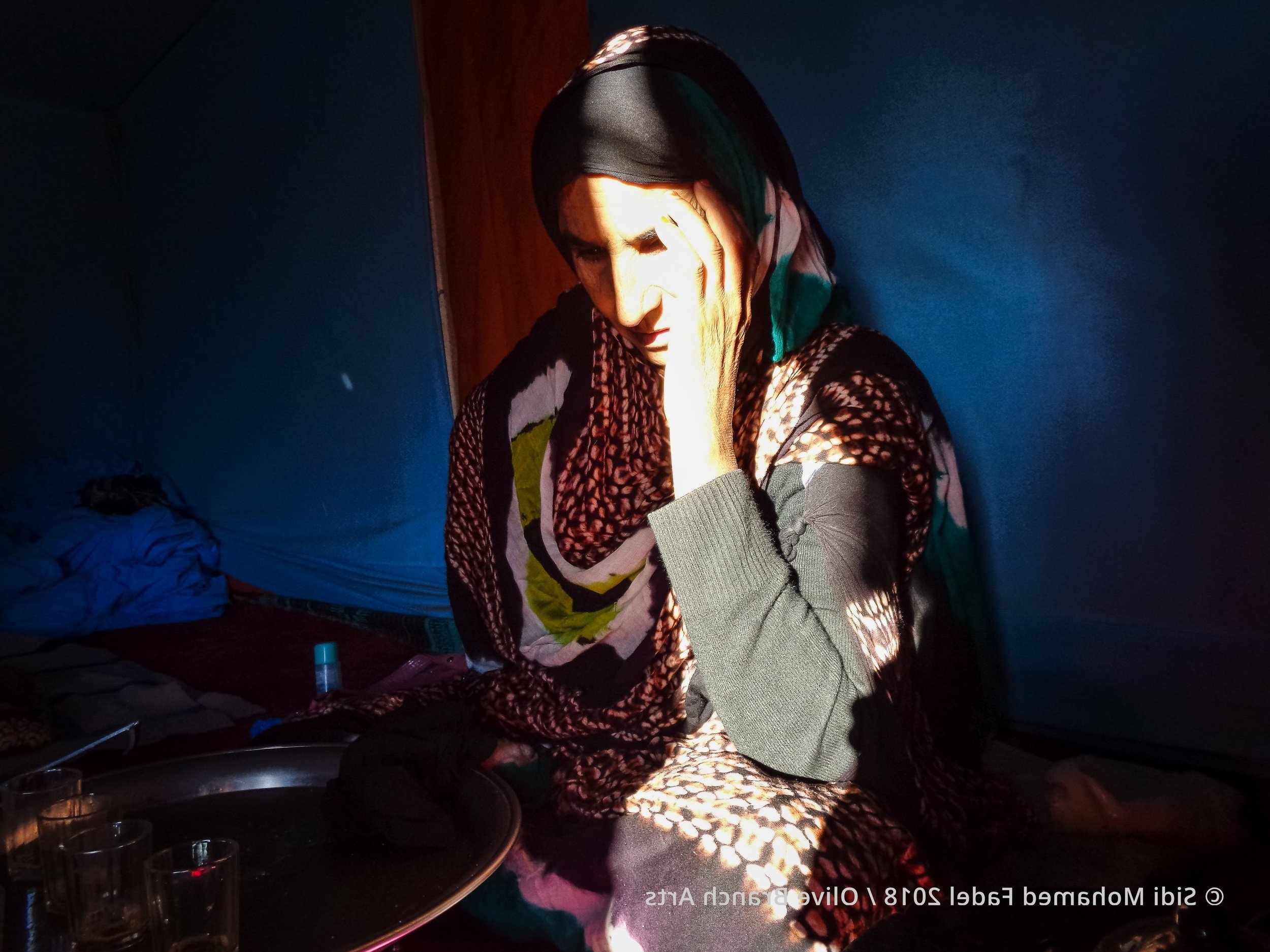
“She always cried a lot and it made me cry too. She told me how everyone was screaming, and how she saw babies being burned, women losing their feet and hands as they ran.”
— Nanaha Bachri, recalling her late grandmother’s memories of the initial attack and displacement in 1975
Life in the Camps
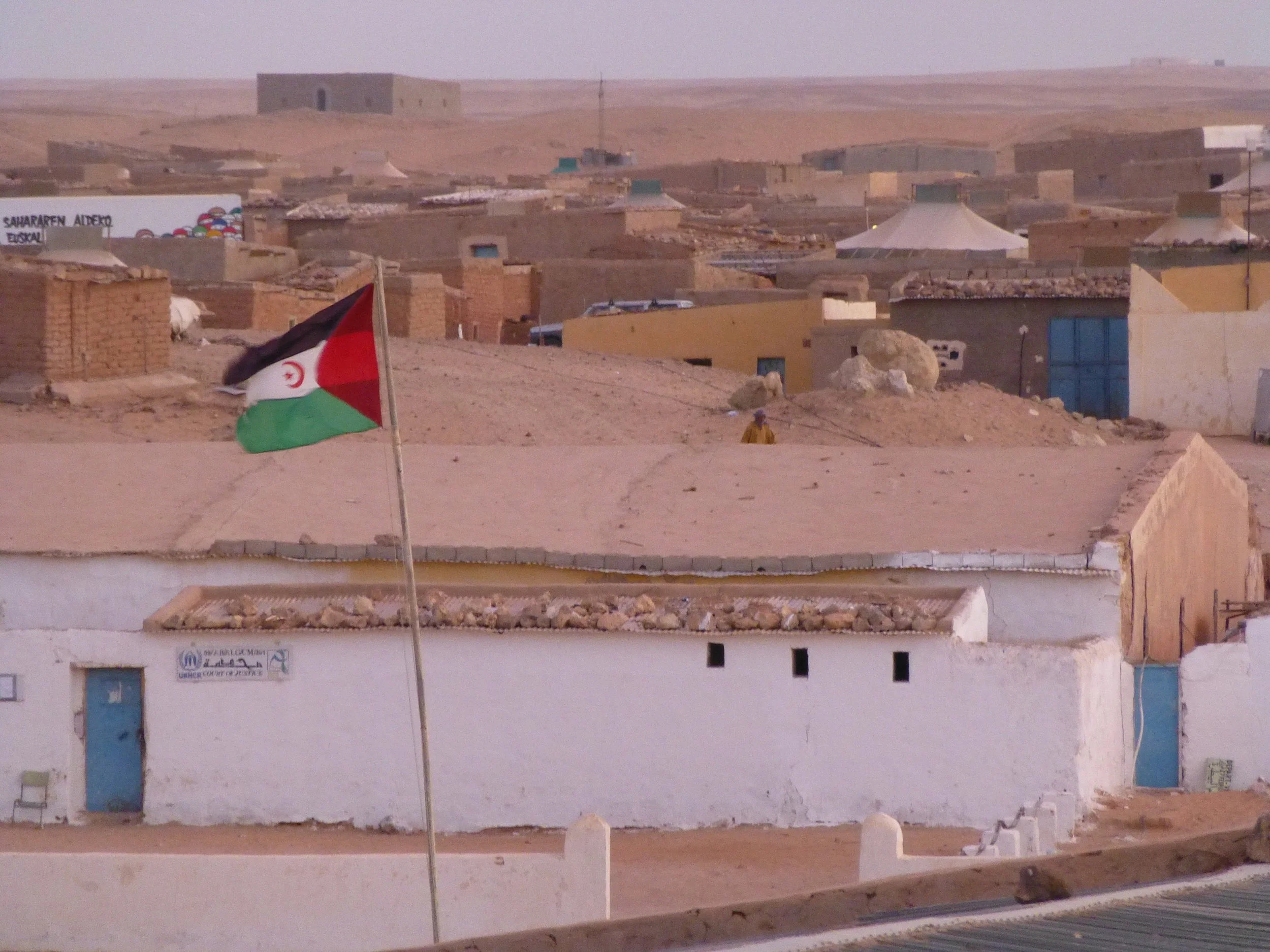
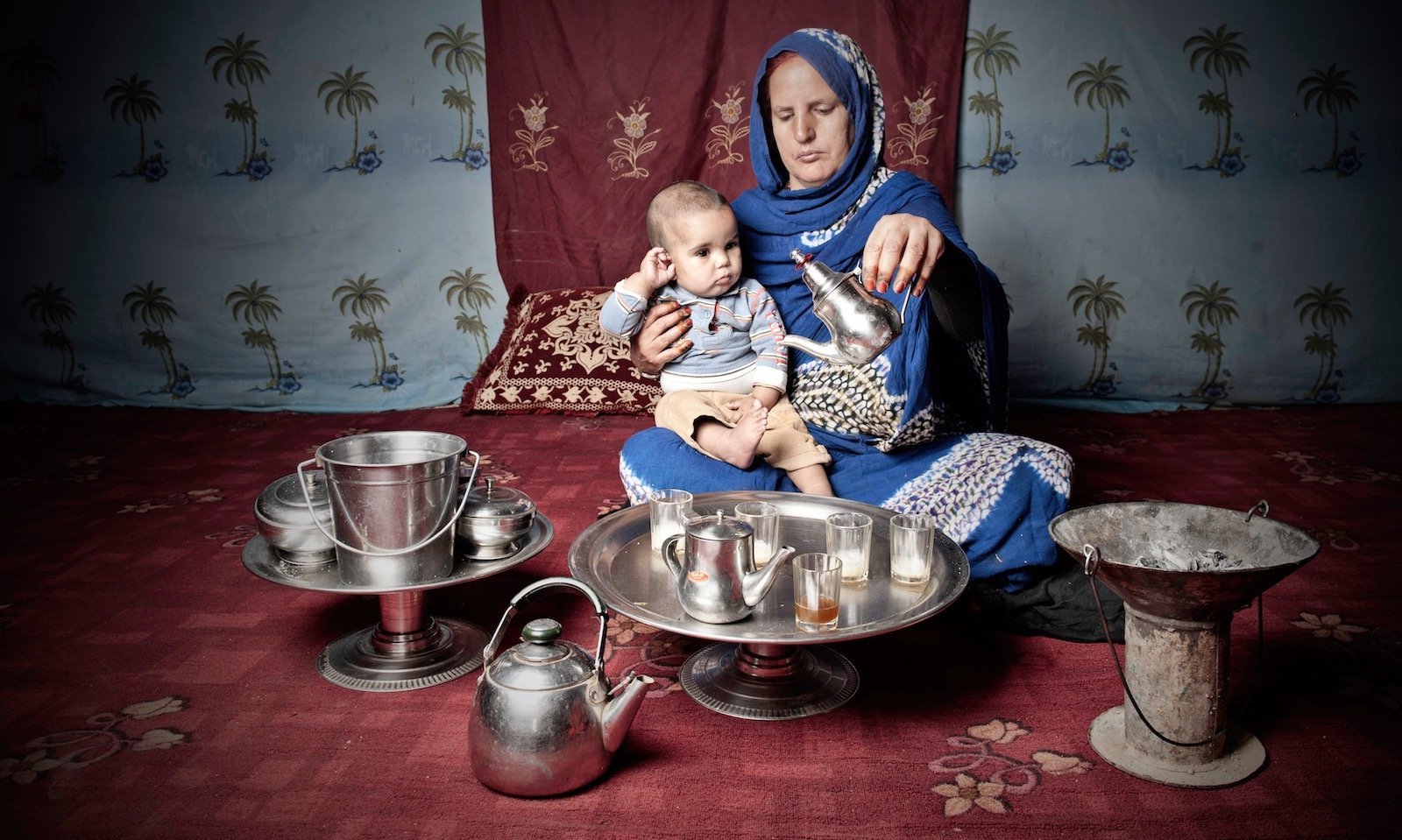
Saharawi refugees live across five main camps (wilayas), each named after towns in Western Sahara: Laayoune, Ausserd, Boujdour, Smara, and Dakhla. Each wilaya is divided into dairas (boroughs), and further into hays (neighbourhoods). Every daira has its own primary school, health clinic, and local administration. Most wilayas now have middle schools, but children must leave the camps for higher education.
The camps also host the Saharawi Arab Democratic Republic (SADR) government-in-exile, a full member of the African Union. Located in Rabouni, the administrative capital, the government runs 19 ministries (three led by women), parliament, TV, and radio.
The role of Education
Preparing for Independence:
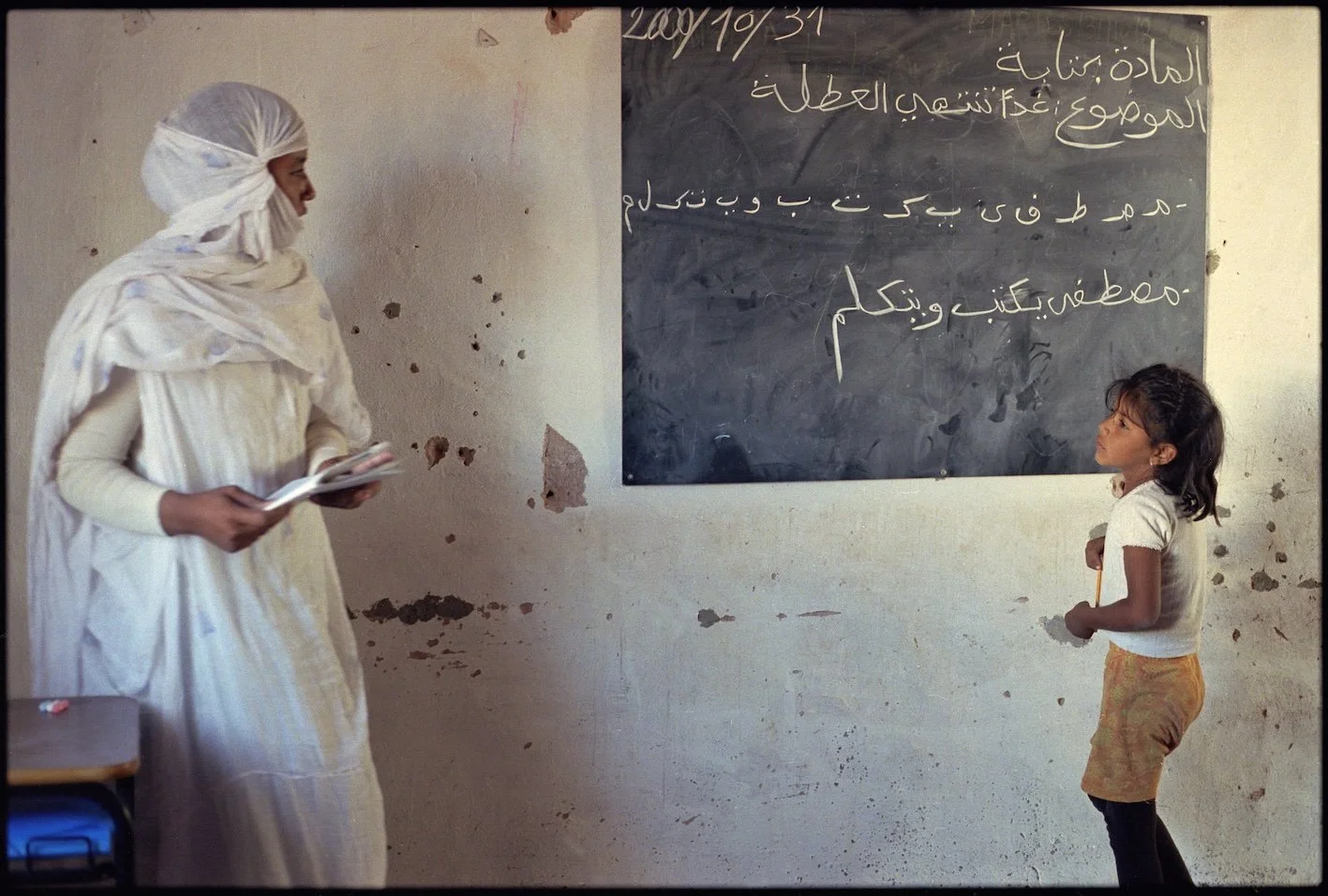
One of the most remarkable achievements of the refugee community has been in education. When the camps were first constructed In 1975, the literacy rate was below 10%. Today, over 90% are literate. Though Hassayani is the dialect spoken by Saharawis, students are taught to speak, read, and write Spanish, and through programs like Desert Voicebox, they gain valuble access to English education as well.
Saharawi women in particular have excelled. With many going on to earn degrees and certificates in law, engineering, economics, medicine, and diplomacy.Despite scarce resources, education remains free and universal. Many Saharawi youth pursue university degrees abroad, with Cuba, Libya, and Algeria playing key roles in higher education partnerships.
In 2009, the University of Tifariti was established in the “liberated territories,” offering courses in nursing, administration, teaching, journalism, and soon, law. Yet despite this progress, economic opportunity remains scarce. Unemployment in the camps is estimated at 80%, and young people face limited chances to apply their hard-earned qualifications.
As the years have gone by, however, a dramatic reduction in humanitarian aid has had an negative impact on education in the camps. Since the Covid period, in particular, education has experienced a rapid decline: the schooling system is facing a serious crisis due to a shortage of qualified teachers and resources. An alarming number of children are receiving no further education after primary school. Due to the meagre salaries paid by the Saharawi government for people working in the public sector potential teachers are going outside the camps or setting up businesses to earn an better income to feed their families and meet their basic living needs.
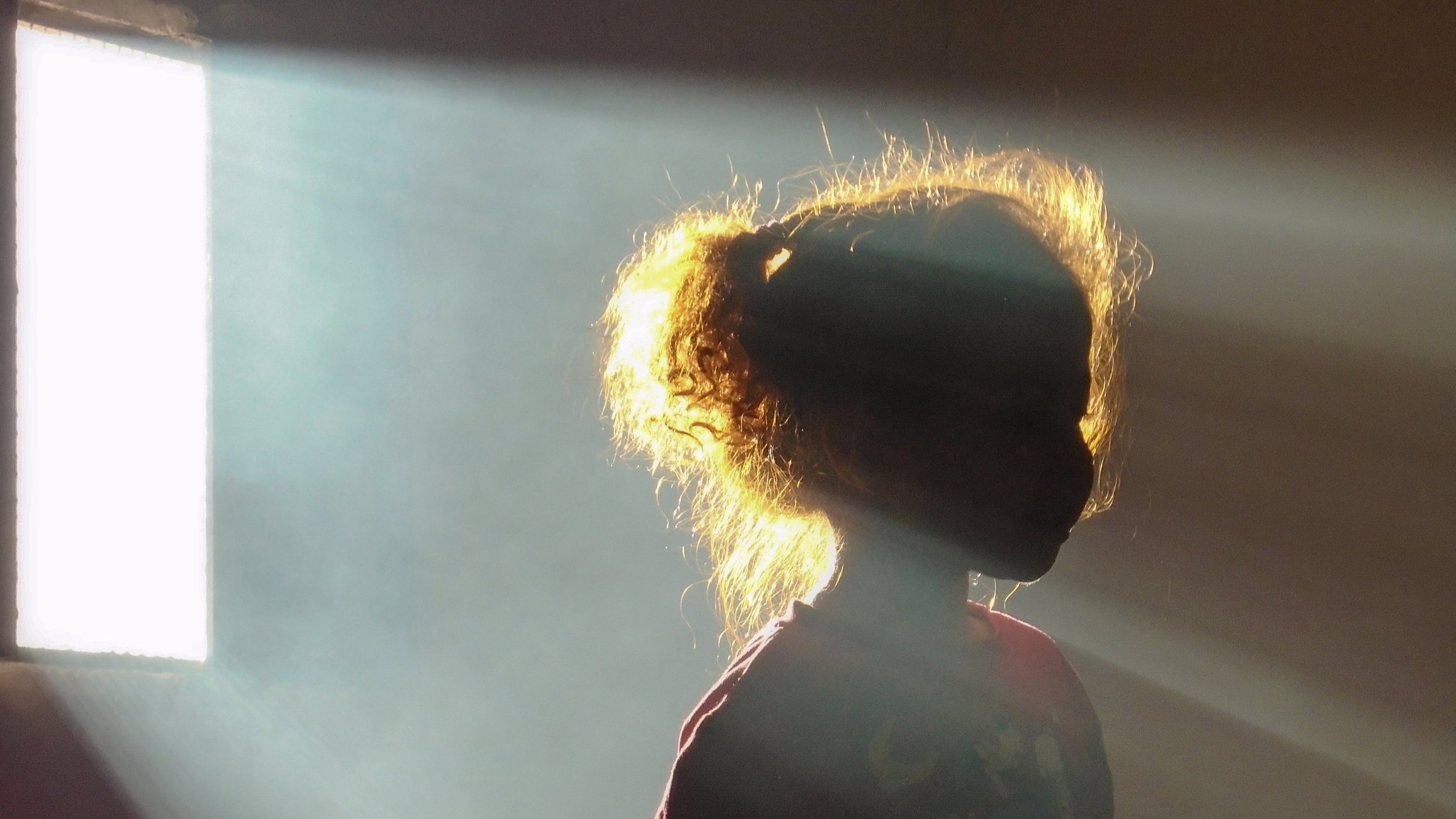
“What is it to be a refugee? Who are we? We know we are Saharawis, but only we know. The world does not know we exist. Being a refugee is like being outside this world.”
— Fatimetu Shagaf, born in the refugee camps
Explore the carousel below to browse a selection of our infographics on recent news, context, and history on Western Sahara