About Western Sahara
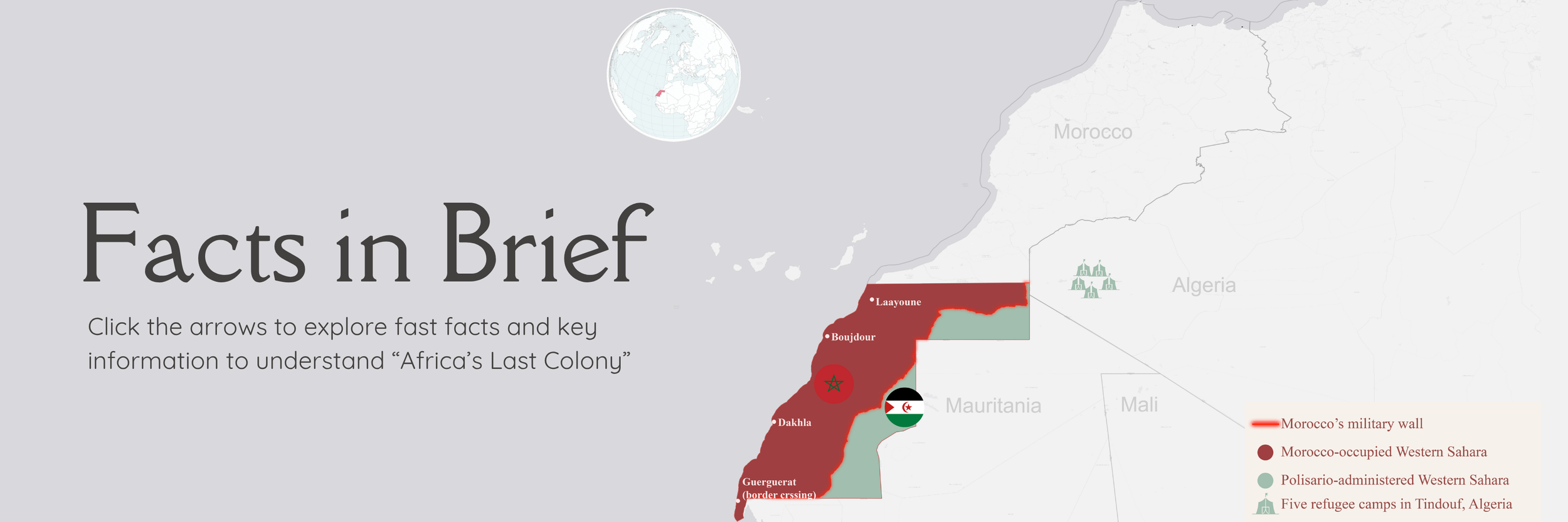
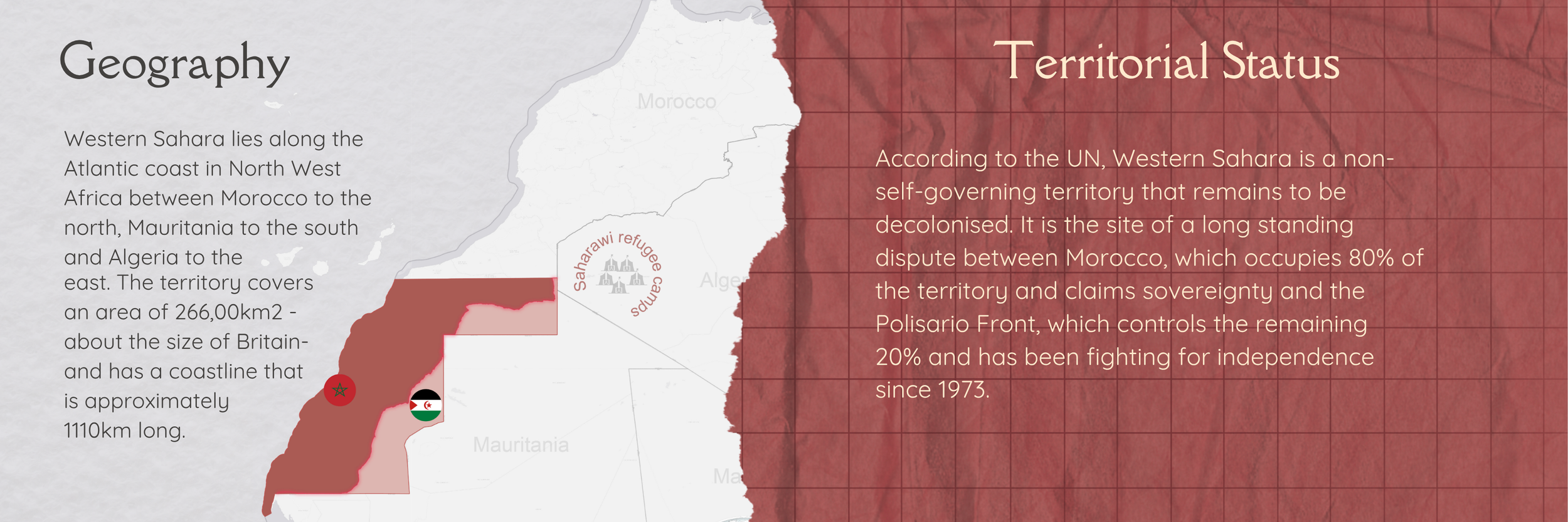
A former Spanish Colony located in North-western Africa, Western Sahara is often called “Africa’s Last Colony” as it is the only remaining territory in Africa that has yet to be decolonised according to the principles of the UN Charter.
Understanding the Conflict
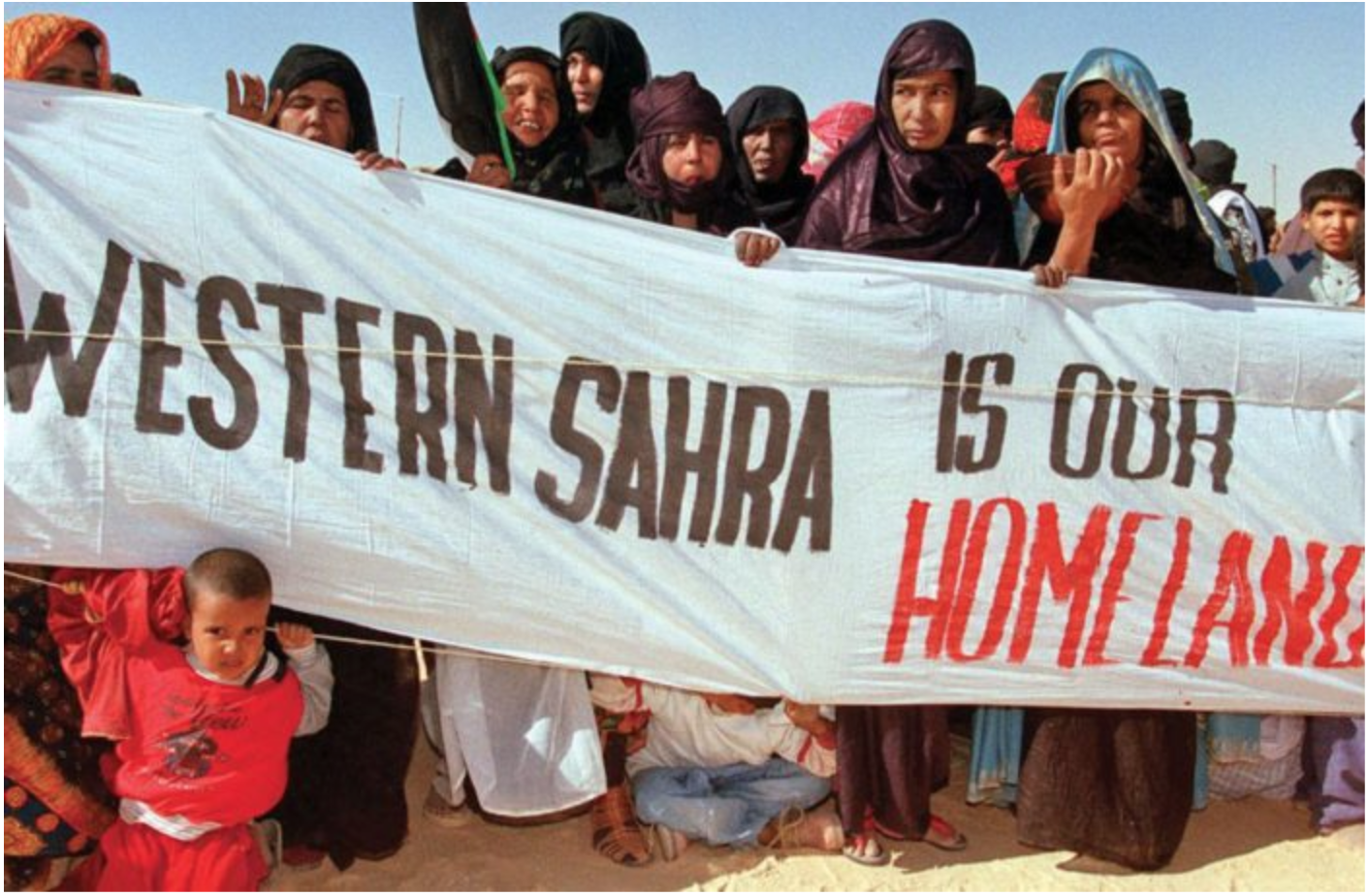
The roots of the conflict in Western Sahara’s lie in the territory’s colonial past under Spain. It is a story of a people’s unwavering quest for freedom pitted against the forces of colonial betrayal and regional expansionist ambitions.. It is also a story that reveals the hypocrisy and indifference of the international community to flagrant violations of international law and human rights perpetuated by the Moroccan state against the indigenous Saharawis.
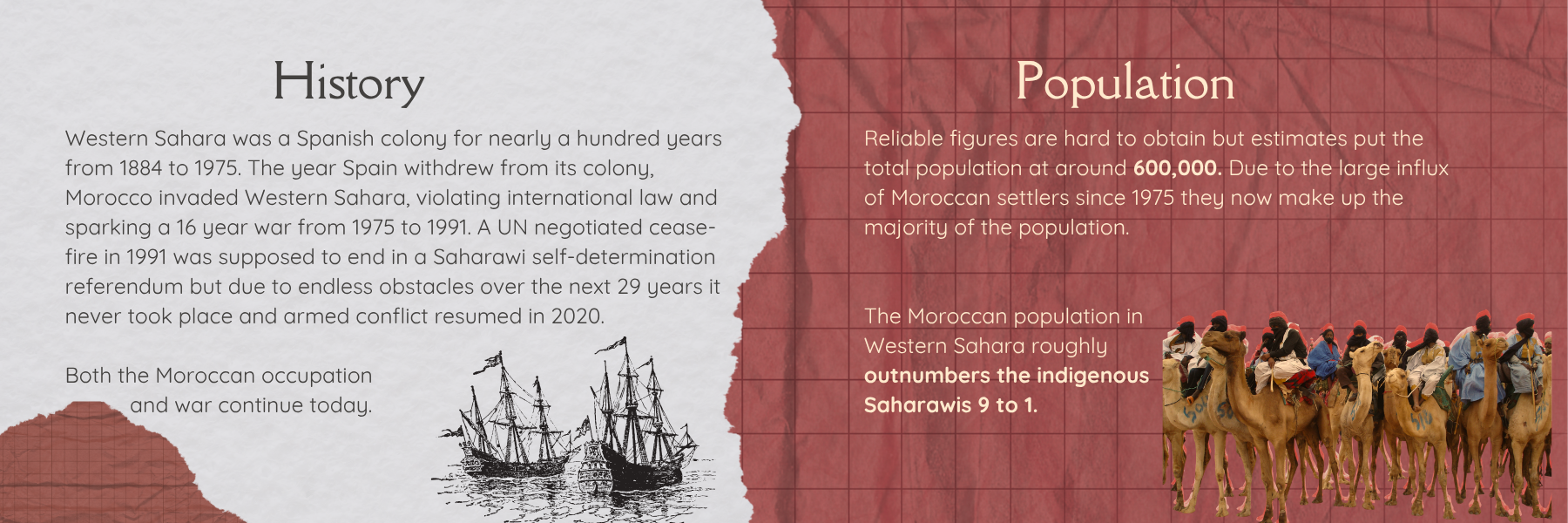
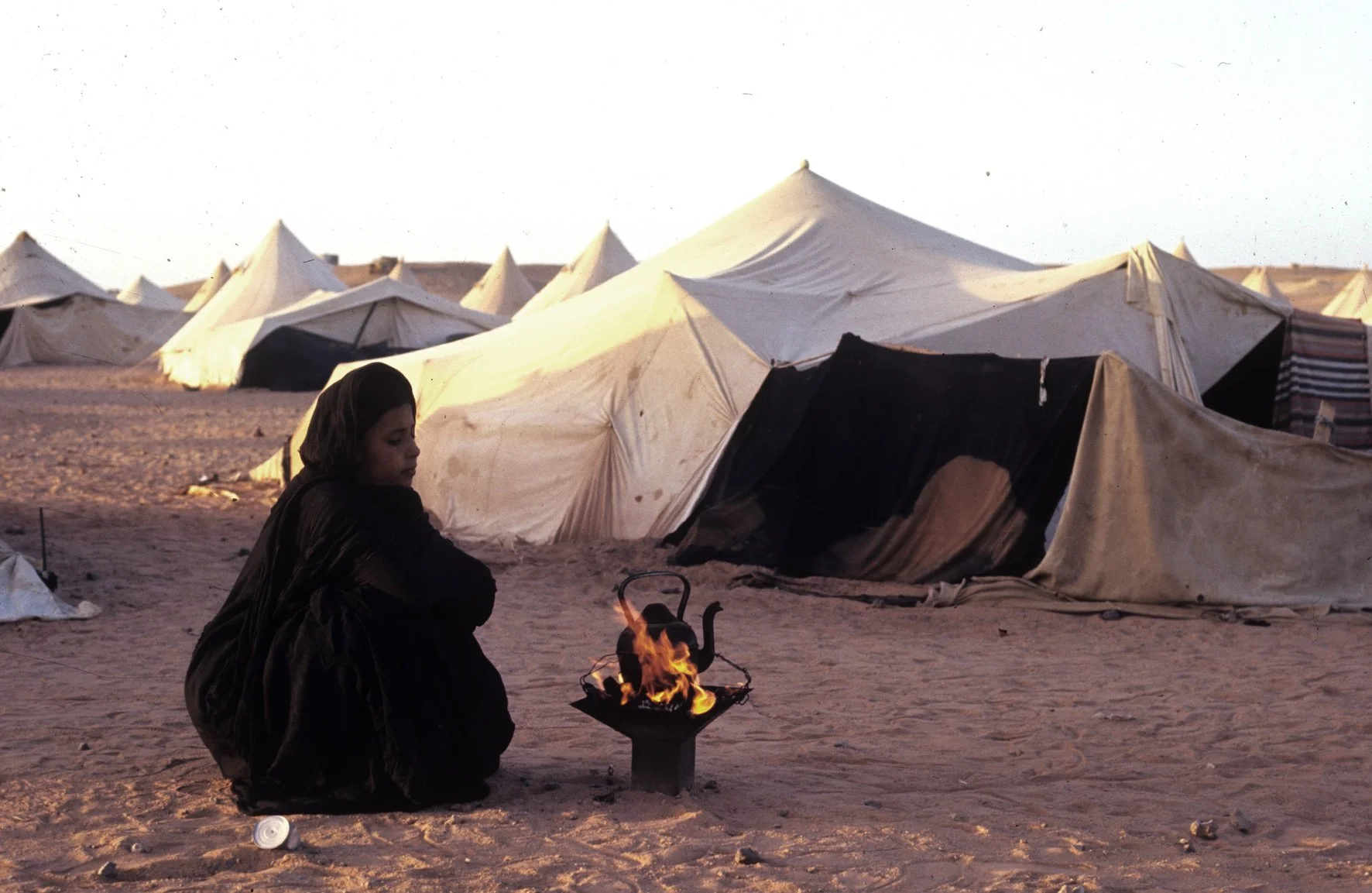
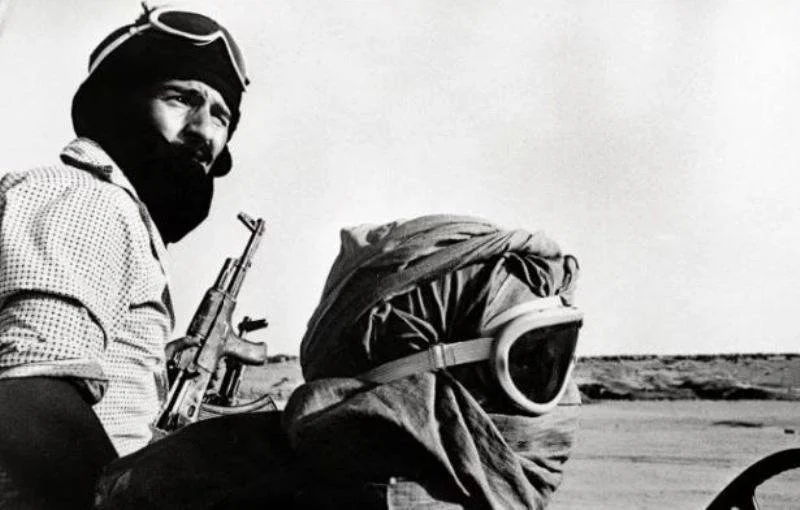
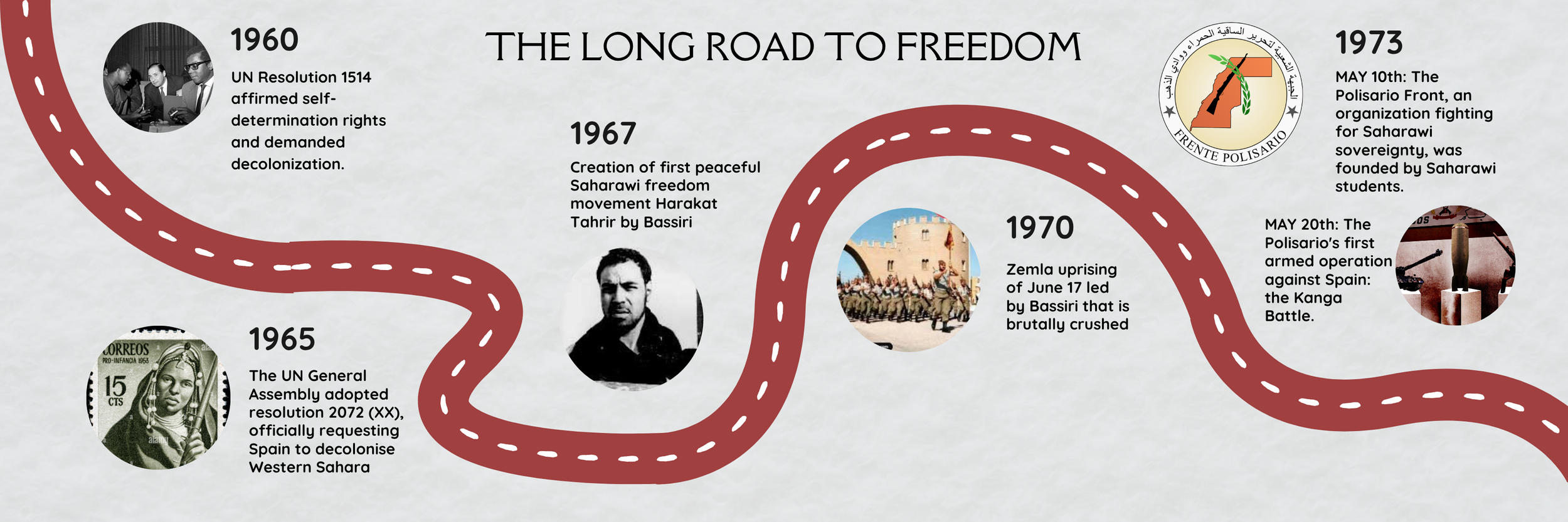
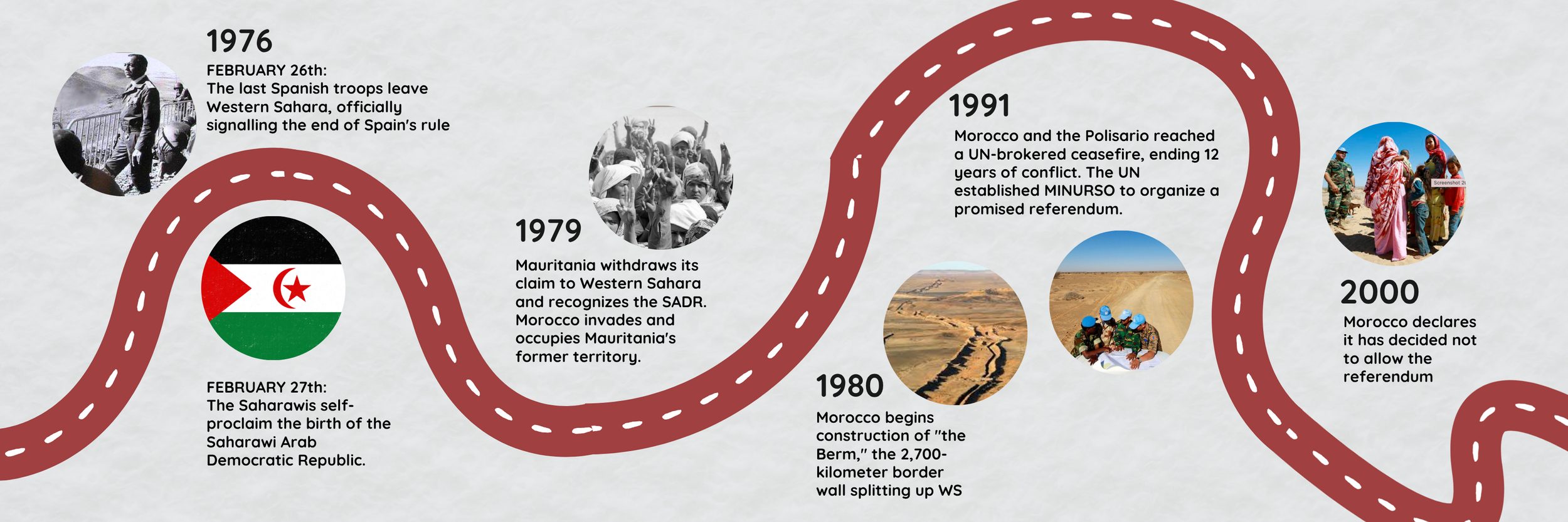
Like many other colonised peoples, the Saharawis began to to seek their independence in the 60’s, encouraged by the principles enshrined in the UN Charter on Decolonization. Following the brutal repression of their first peaceful attempt, the Saharawi launched the national liberation movement-the Polisario Front- in 1973, to end Spanish rule by armed struggle. Pressured by the UN and the Polisario fighters, Spain soon relented and agreed to hold a referendum for self-determination to vote for their independence. Instead of this expected outcome, however, the Saharawis found themselves victims of unfolding tragic events that divided both their people and land in two. By the end of 1975, Spanish colonialism had been replaced by the forceful annexation of their homeland by two neighbouring countries, war had erupted in the region and over half the Saharawi population were forcefully displaced, becoming refugees in harsh desert camps in South West Algeria, where they remain to date. Despite more than five decades of struggle, the Saharawis remain steadfast in their determination to fulfill their historic rights to self-determination and end Morocco’s illegal occupation in their homeland.
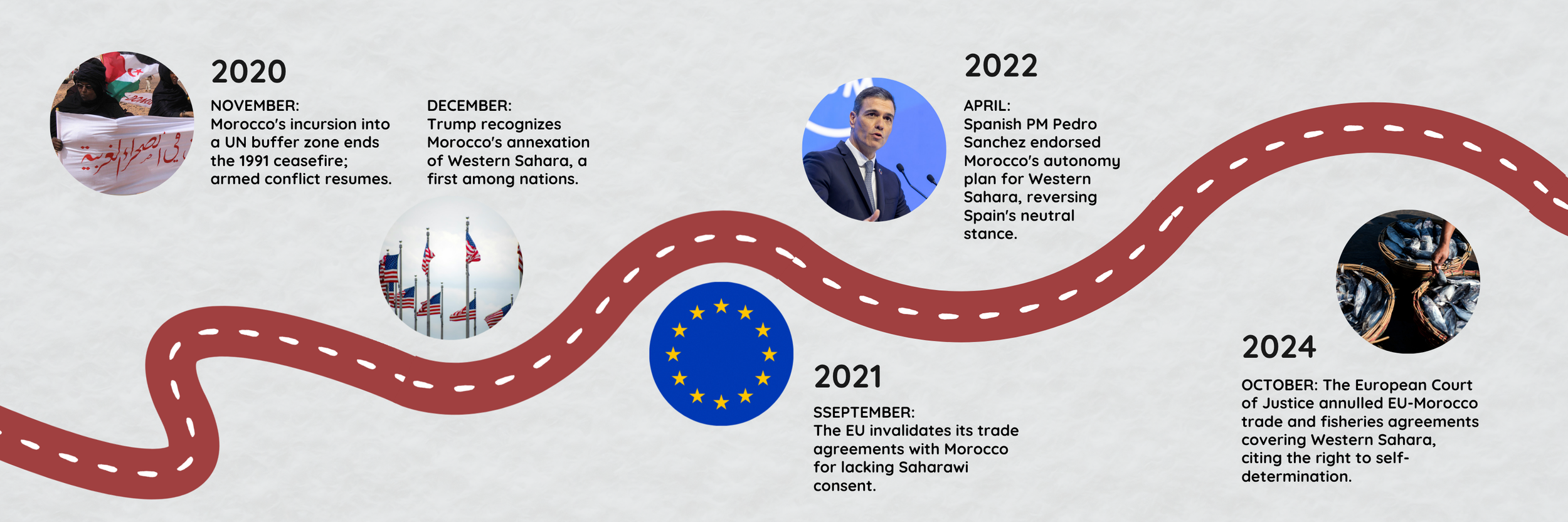
Timeline of Self-Determination cause in Western Sahara
“The thousand-mile journey that the Polisario Front has taken over the past decades to assert the Saharawi people's right to self-determination and independence would not have happened without the giant first step taken by the Liberation Movement (1967-1970) in shaping consciousness, organizing the masses, and storming the field at zero hour."
Ubbi Bushraya Bachiri (Polisario Front Representative)
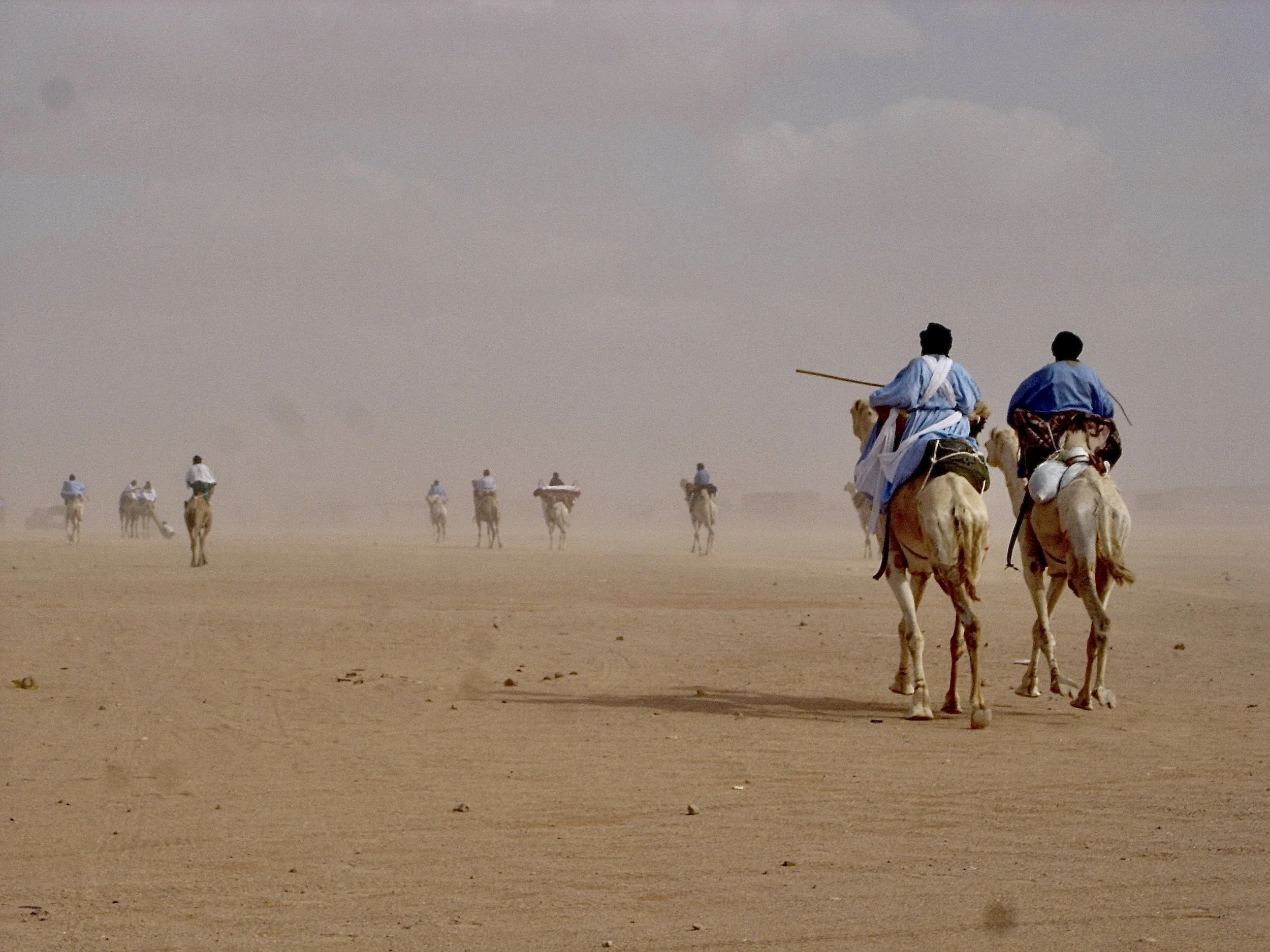
For the past 50 years, the Saharawi people have lived between occupation and exile, facing repression, dispossession, cultural erasure and marginalization. But through all this, they have kept alive a powerful dream: to one day live in freedom on their ancestral lands. By sharing their story, we honour their courage, amplify their voices, and stand in solidarity with their pursuit of dignity, justice, and peace. But most of all, we seek to ensure that their struggle is neither forgotten nor rendered invisible.
Below we have created a timeline of the regional history for those interested in a longer view and understanding. The timeline starts in prehistoric time and goes to the end of the Spanish colonial period.
Why this History Matters:
PRE-COLONIAL ERA
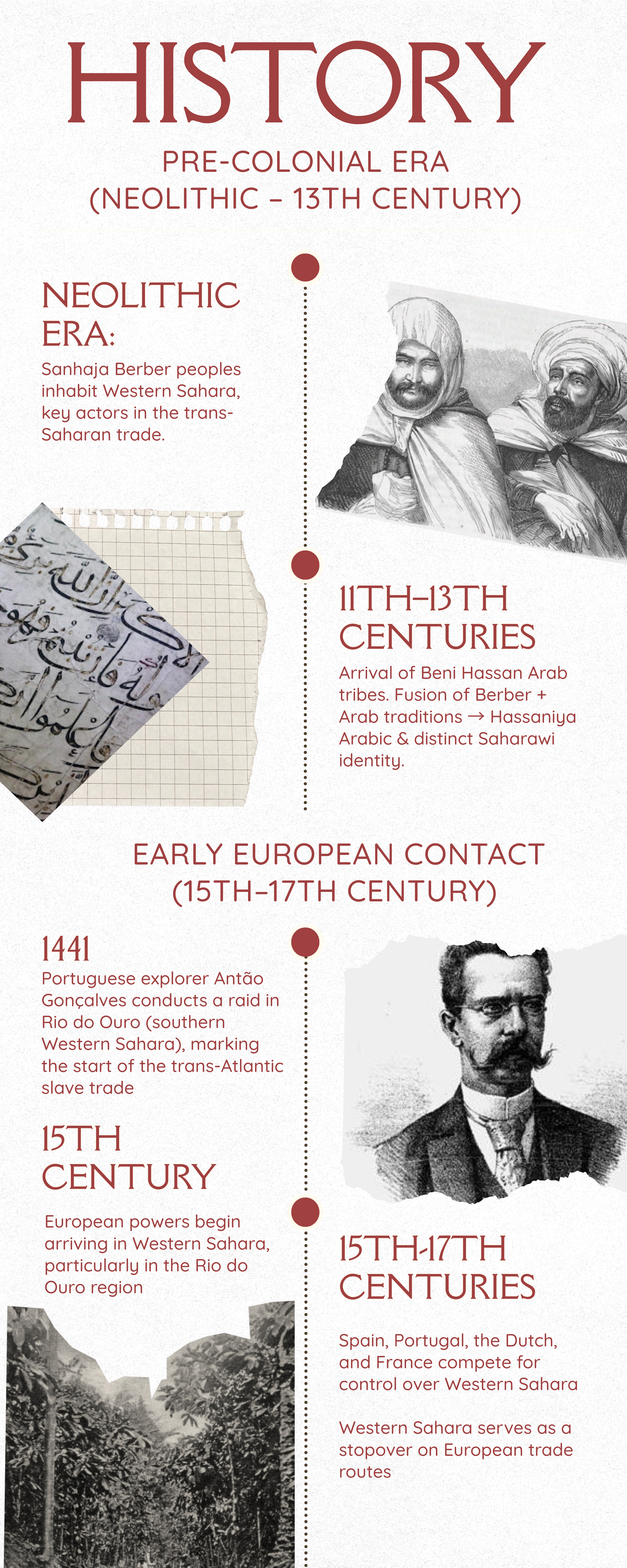
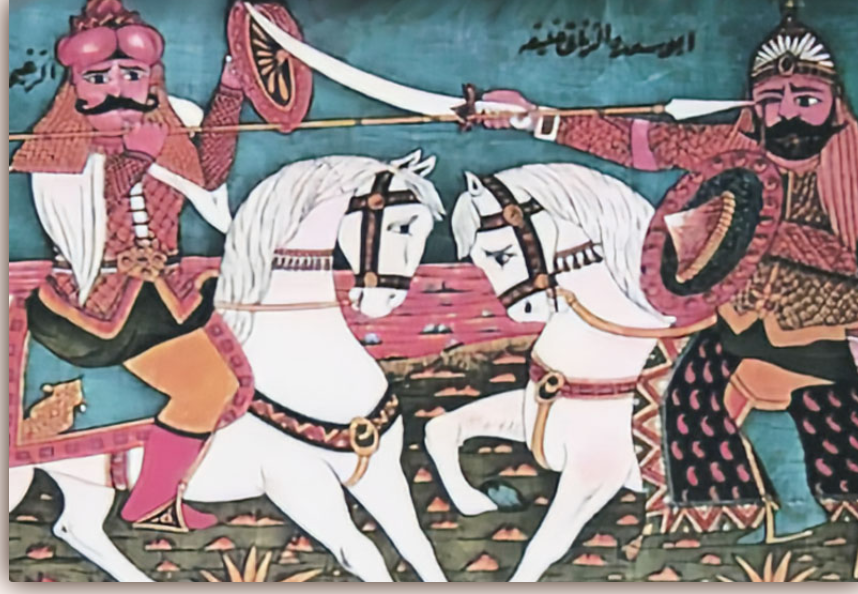
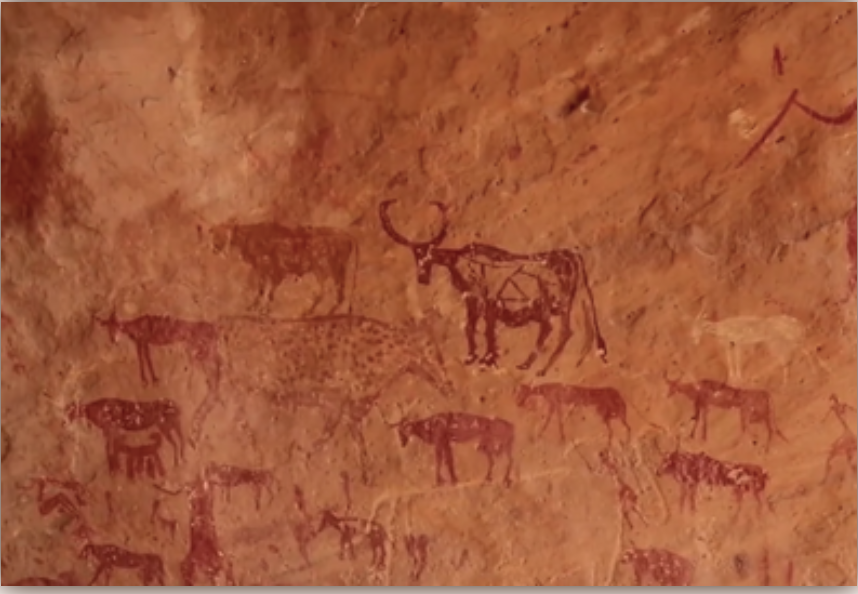
The Sanhaja Berbers, ancestors of Saharawis, inhabited Western Sahara since possibly the Neolithic era, facilitating trans-Saharan trade linking West Africa with North African Muslim cultures. The region evolved from lush grassland to desert (8,500-3,500 BCE), prompting nomadic lifestyles. Islam spread via trade and conquest (7th-8th centuries). Between the 11th-13th centuries, Arab Beni Hassan tribes from Yemen conquered and Islamized them, creating a cultural fusion reflected in Hassaniye language. The Sanhaja formed the Almoravid dynasty (1040-1147), conquering modern Morocco, Western Sahara, and southern Spain, promoting Maliki Islamic jurisprudence. Successive Berber dynasties—Almohad (1121-1269) and Marinid (1269-1548)—held regional dominance for several centuries.
EARLY EUROPEAN CONTACT
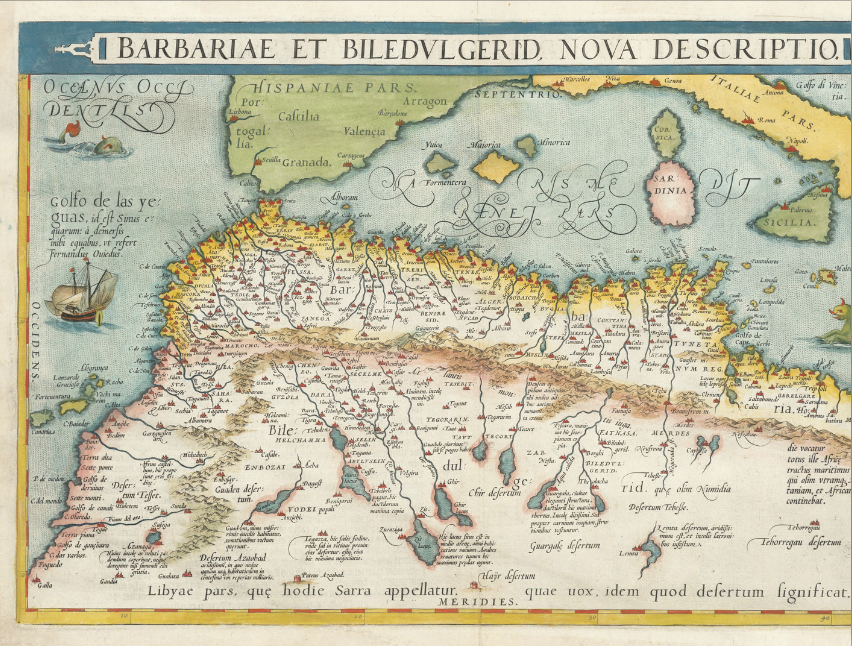
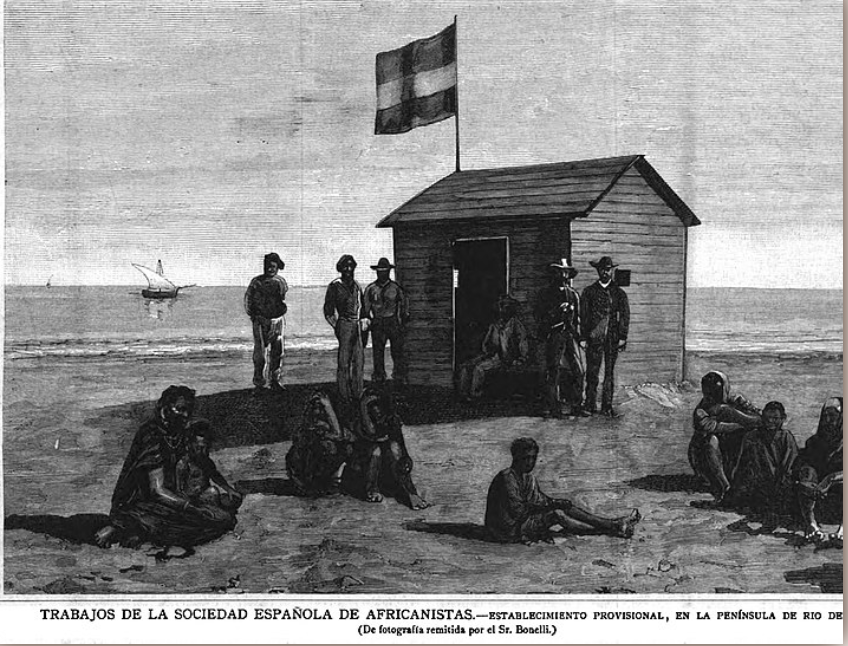
The Age of Exploration (15th-17th centuries) was an era when European powers—Spain, England, France, Portugal, the Dutch—travelled afar seeking riches, resulting in genocide and exploitation for indigenous peoples around the world. For the Saharawis, Portuguese and Spanish arrival in the late 15th century marked a transformative era of struggle and revolution. Portuguese explorer Antam Goncalvez kidnapped two Berbers in 1441, initiating the Trans-Atlantic slave trade. Spain constructed its first outpost in Western Sahara in 1476 and colonized the Canary Islands. The Dutch occupied the southern region of Western Sahara known as Rio del Oro (1638), followed by English (1665) and French control (1727). The 1767 Marrakesh Treaty confirmed Morocco's Sultan had no sovereignty the region of modern day Western Sahara. In 1869 the religious figure of Sheikh Malainine founded Smara as a spiritual centre , which later becoming a Spanish garrison town..
SPANISH COLONIALISM
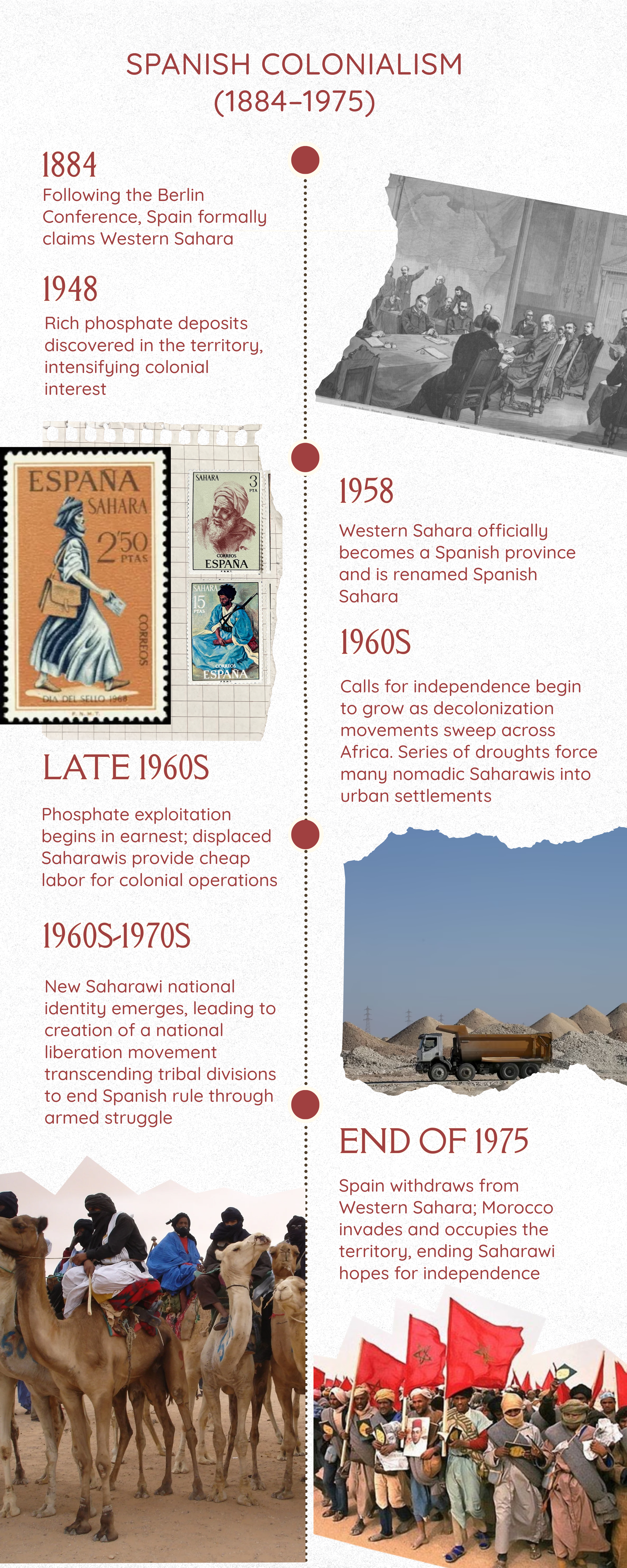
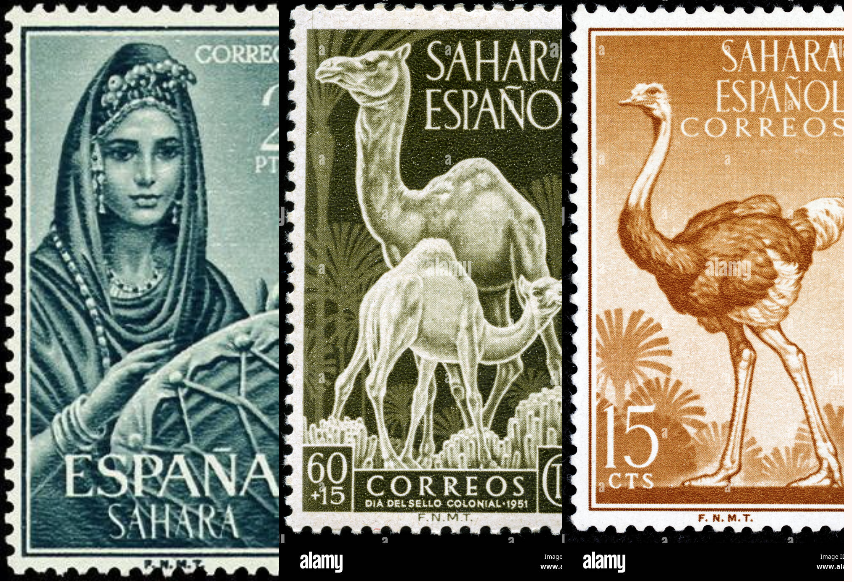
Spain claimed Western Sahara at the 1884 Berlin Conference, formalizing colonial rule after years of seeking control over trade routes and a base to protect its interests in the Canary Islands. By 1934 Spain had pacified the Saharawi tribes and discovery of rich phosphate deposits at Bu Craa (1948) intensified colonial economic interest in the territory. In 1957, a year after Morocco gained its independence from France, it started to claim Western Sahara as part of Greater Morocco on the basis of alleged historical conquests.
In 1958 Spain turned Western Sahara into its 53rd province integrating and began phosphate mining in 1962. This coincided with several years of drought which had forced the nomadic Saharawis into urban centers, turning them into a cheap and ready source of labour. As Spain began to invest more and more in developing its colony, calls from the UN from 1965 onward began to grow louder for the decolonisation of Western Sahara.
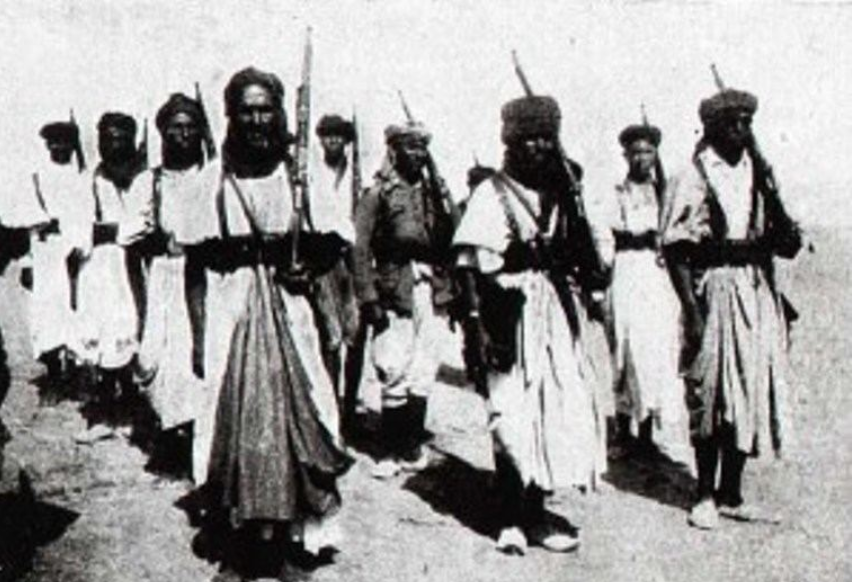
Meanwhile, the winds of change sweeping across the African continent in the 60’s sparked the rise of Saharawi independence aspirations and Harakat Tahrir was created by Mohamed Bassiri in 1969. However, the movement was brutally crushed by Spanish colonial forces at a peaceful demonstration onJune 17, 1970 in the neighbourhood of Zemla in the Al Auin capital of Western Sahara. Seventeen peaceful demonstrators were killed and Bassiri was disappeared.
This set the stage for the creation of the Polisario Front in 1973, which opted to fight for independence by armed struggle. By the end of 1974, Spain had agreed to begin the process of decolonisation by organising a referendum for Saharawi self-determination.
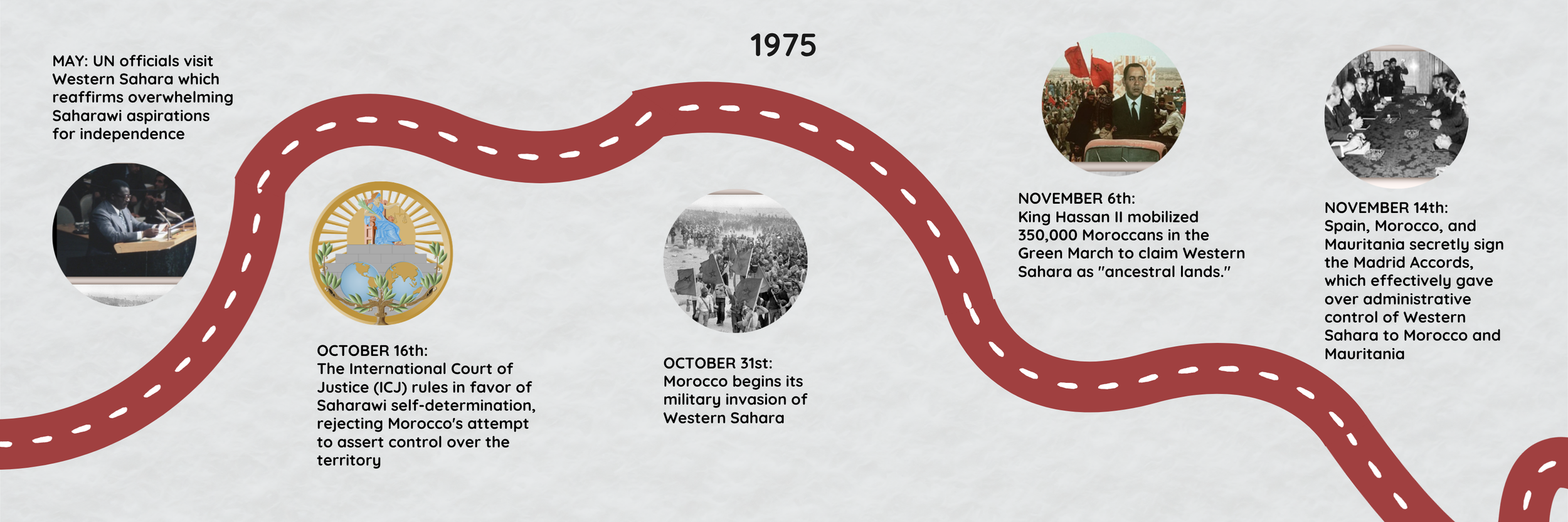
Adamant Moroccan and Mauritanian sovereignty claims however halted this process and were deliberated on by the International Court ofJustice over nine months. Its ruling on Oct 16 1975 stated there was no evidence supporting these claims and reaffirmed Saharawi self-determination rights.
Sadly, the subsequent Moroccan Green March on Nov 6 and the Madrid Accords of Nov 14 scuppered an independence outcome for the Saharawis and instead their homeland became partitioned sparking war and the exodus of Saharawi refugees into Algeria.
Human Rights Violations
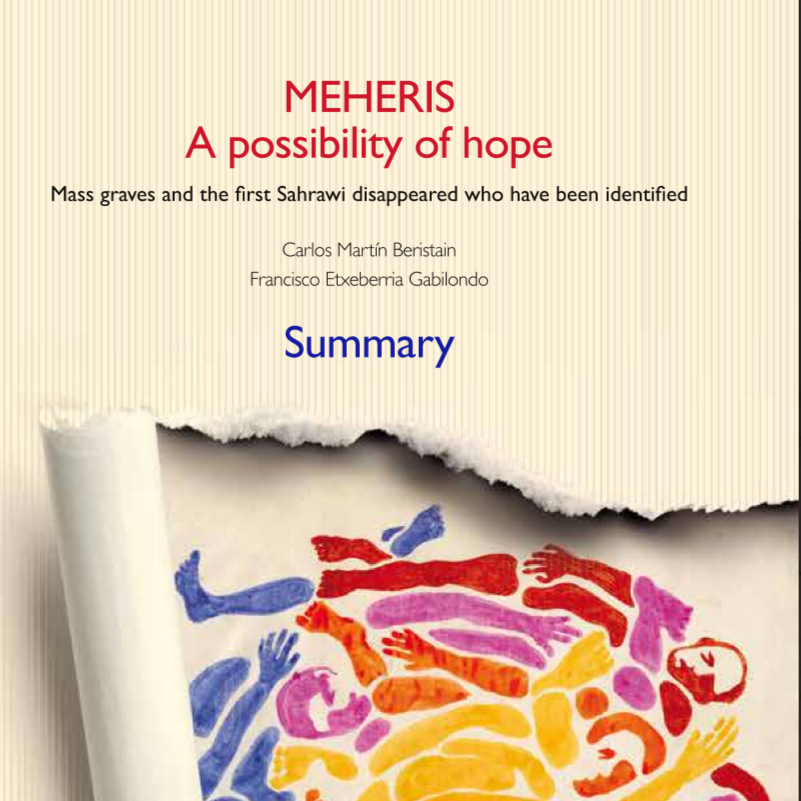
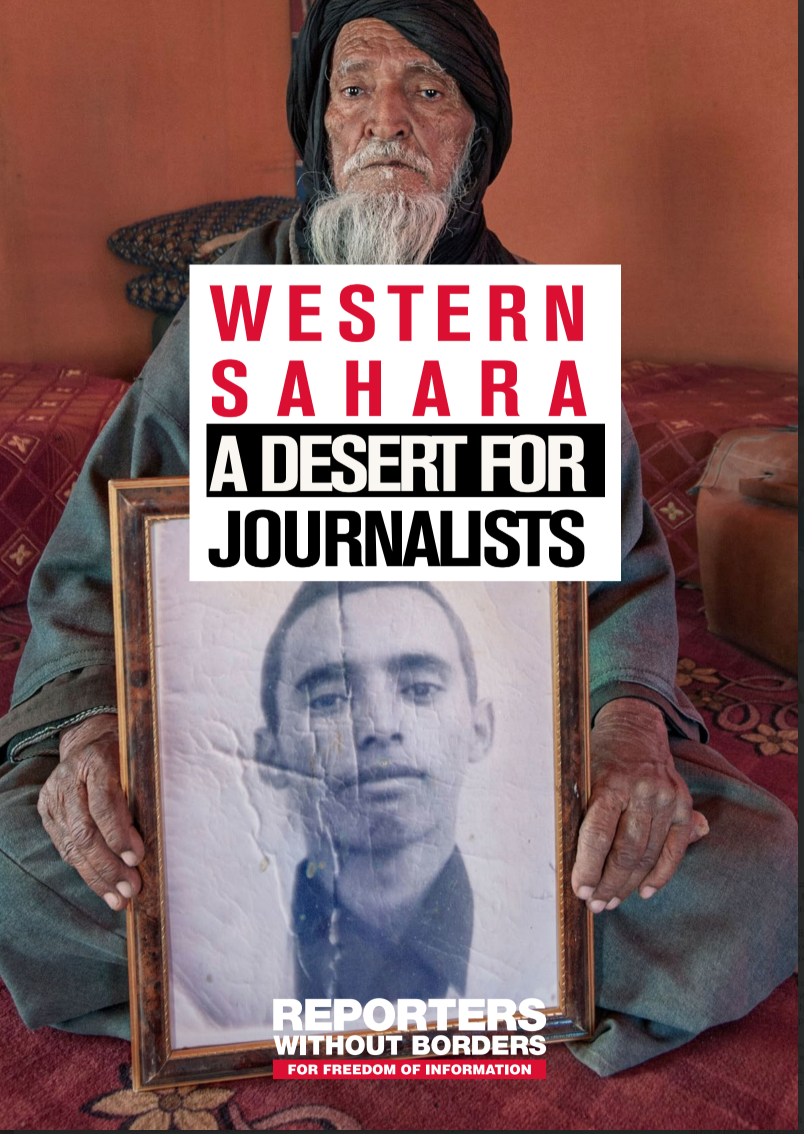
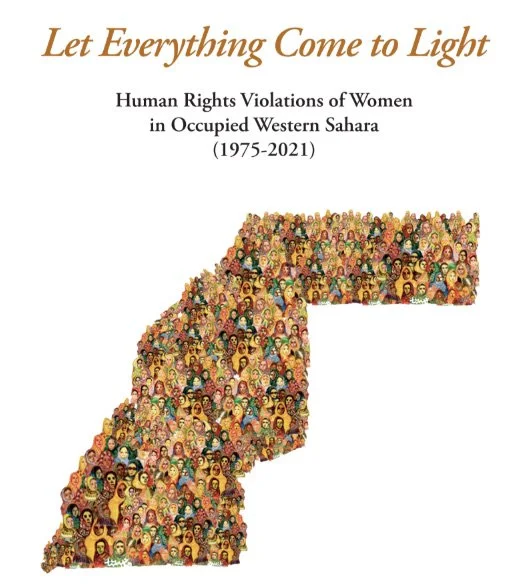
To learn more about the human rights story, past and present, click on the reports shared on the left.
We also recommend the Adala blog , a human rights advocacy organisation led by Saharawis. to find out about the current situation.
Under the Moroccan occupation, Saharawis have become second class citizens in their homeland, deprived of freedom of expression, movement and association. Independence aspirations expressed in any form are met with brutal repression and no independent journalists and observers are allowed into the territory.
Human Rights Watch and Amnesty International and others have documented the systematic violations of Saharawi human rights over the years. The in-depth report “Let Everything Come to Light” brings into particular focus the prominent role played by Saharawi women in the struggle for self-determination and the human rights abuses they have suffered as activists under the Moroccan regime. Meanwhile, over 500 Saharawis remain “disappeared” since Morocco’s occupation began and many others were tortured and died in horrific conditions in underground detention centres between 1975 and 1991.
“In Agdez, the way we were treated was indescribable, there are no words to tell everything that we Saharawis experienced in that prison. When we told them about a death they came and broke that person’s spine in order to be sure they were really dead. Everything was an insult to life, to the most basic human rights.”
Testimony from “Let Everything Come to Light”
Films & Documentaries
Saharawis are reknown storytellers, so it is no wonder that they have taken to film as a means of sharing their history and experiences. Films allow agency, granting an opportunity for Saharawis to share their story in their own words through their own voices.
Over the years, filmmaking has become a vital means of preserving their traditions, as well as a journalistic tool for documenting the harsh realities they face under Moroccan occupation, despite the dangers and repression of media coverage.
Films like Insumisas, weave interviews and statements of Saharawi women with the published findngs of the above human rights report, “Let Everything Come to Light” offering viewers a moving introduction to the role, hardships, and perseverance of Saharawi women in their inter-generational fight for justice.
“Cinema forces us to look. It places us before the lived lives of other people. It allows us to experience, even if only for the duration of a film, the existence, daily life, values, and the identities of the subjects represented. It forces us to open our eyes.” - Research Assistant Silvia Mascheroni wrote in her featured article “What our Eyes See”
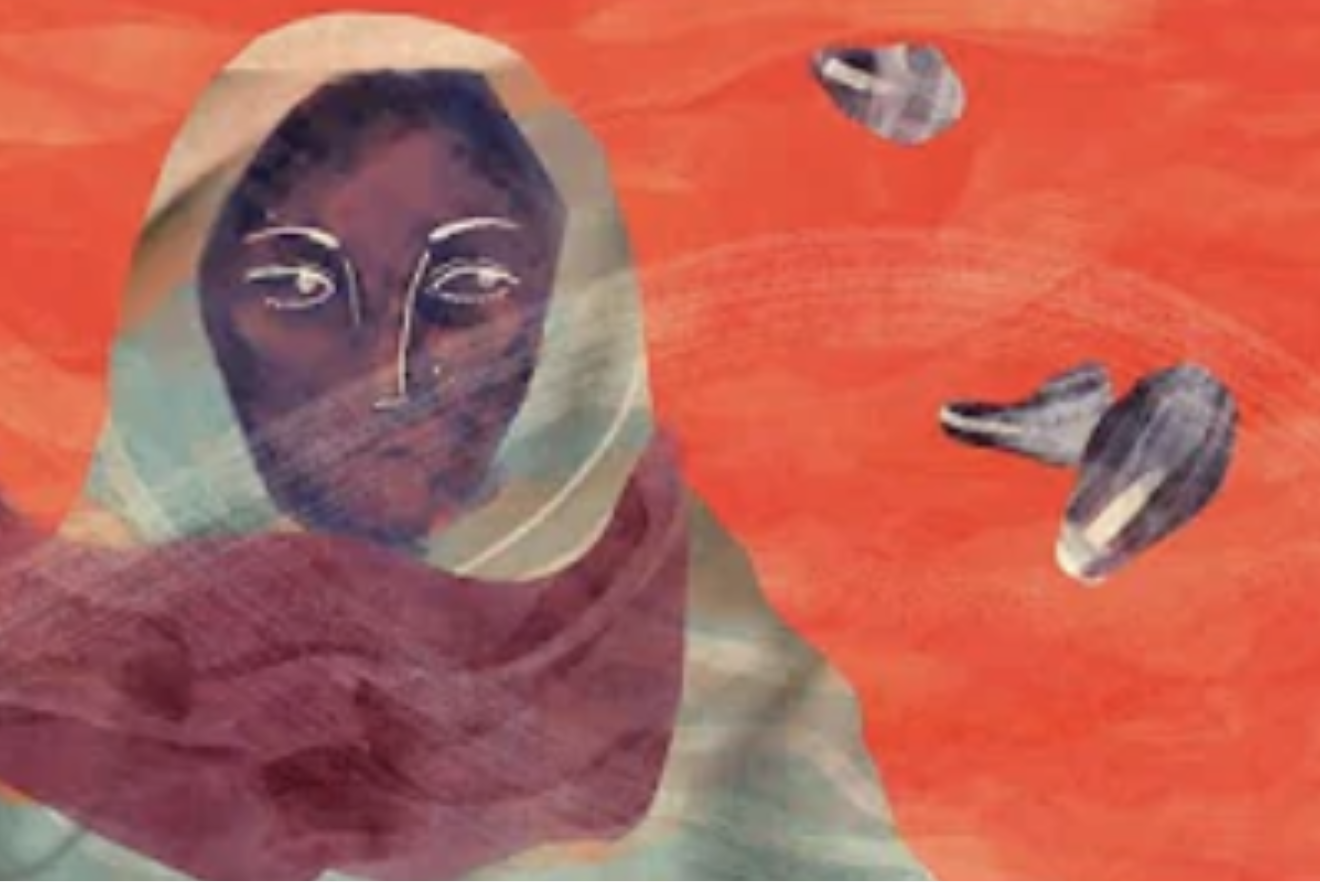
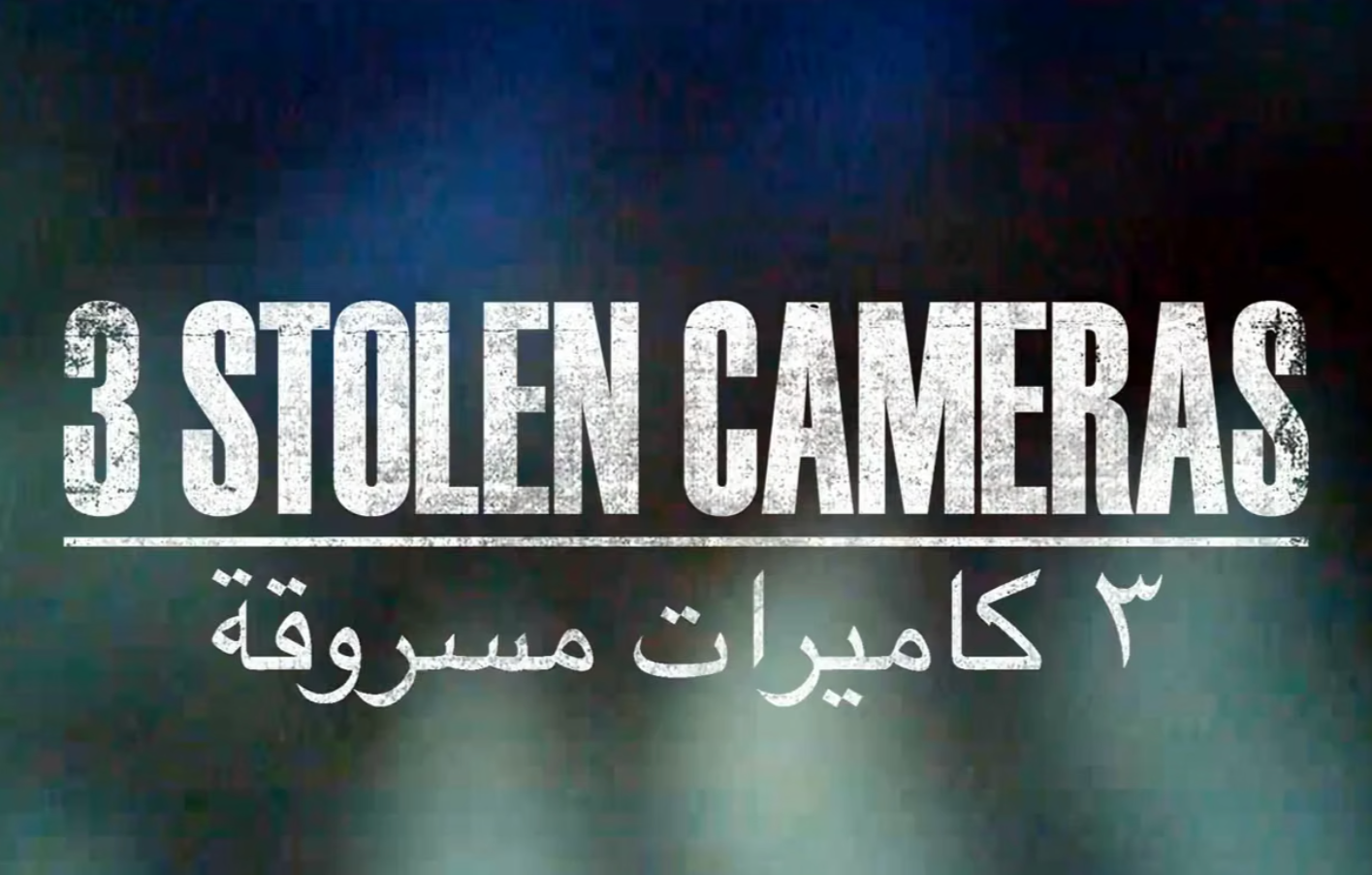
Three Stolen Cameras is another short film we recommend for learning about the human rights violations within the Moroccan occupied territories of Western Sahara. At only 17 minutes long,
“This is a story about breaking an absolute censorship with unique footage from an area where the Moroccan authorities have managed to implement a near total media blockade,” as written in the Director’s statement. The film depicts rare footage of attacks on peaceful demonstrations by Moroccan police and military, as well as testimonies of violence that Sahrawis are exposed to in their everyday life.
Explore carousel below to browse a selection of our infographics on recent news and history on Western Sahara