A Story of Resistance
The Saharawi fight for justice continues!
Despite repeated betrayal and obstruction by colonial and global powers, the Saharawis have never stopped resisting or abandoned their dreams. Throughout their long struggle they have shown remarkable resilience. They have also experienced moments of joy and victory along the way. Our goal is not to speak over Saharawi voices or claim their stories as our own — but to amplify them and provide a platform for their voices to be heard.
“I have never been Moroccan. I am not going to be Moroccan.
I will try to free my country or I will die trying.”
- Nanaha Hassan, in an interview about her experience in the camps and the community
A History of Struggle
In the 1960s, Spain began exploiting Western Sahara’s phosphate reserves — even as African nations, including the Saharawis, were pushing for independence. In 1973, the Saharawis formed the Polisario Front, launching an armed struggle to end colonial rule. Songs and poetry were powerful tools that mobilised thousands to join the freedom movement.
By 1975, Spain agreed to decolonise, but in secret deals with Morocco and Mauritania, handed control to both neighbours. This betrayal sparked Morocco’s military invasion and annexation, despite an International Court of Justice ruling affirming the Saharawis’ right to self-determination.
As conflict escalated, tens of thousands fled to southwest Algeria, where they remain today in refugee camps — dependent on humanitarian aid for survival. Meanwhile, those who stayed in the occupied territories live as second-class citizens under Moroccan rule, a minority in their own land, stripped of basic rights.
Breaking the Barrier of Fear
When the Moroccan King Hassan II died in 1999, frustrations over the long-delayed self-determination referendum boiled over. The Saharawis seized the moment to demand change and to demand their self-determination rights. For the first time, mobile phones and the internet allowed the world to witness the protests and repression inside occupied Western Sahara.
In 2005, the Saharawi intifada erupted, marking a turning point in the political struggle. Youth became the vanguard of resistance, with more than 50% politicized by the uprising. Many fled to the refugee camps to escape persecution, cementing the camps as both a political and humanitarian sanctuary.
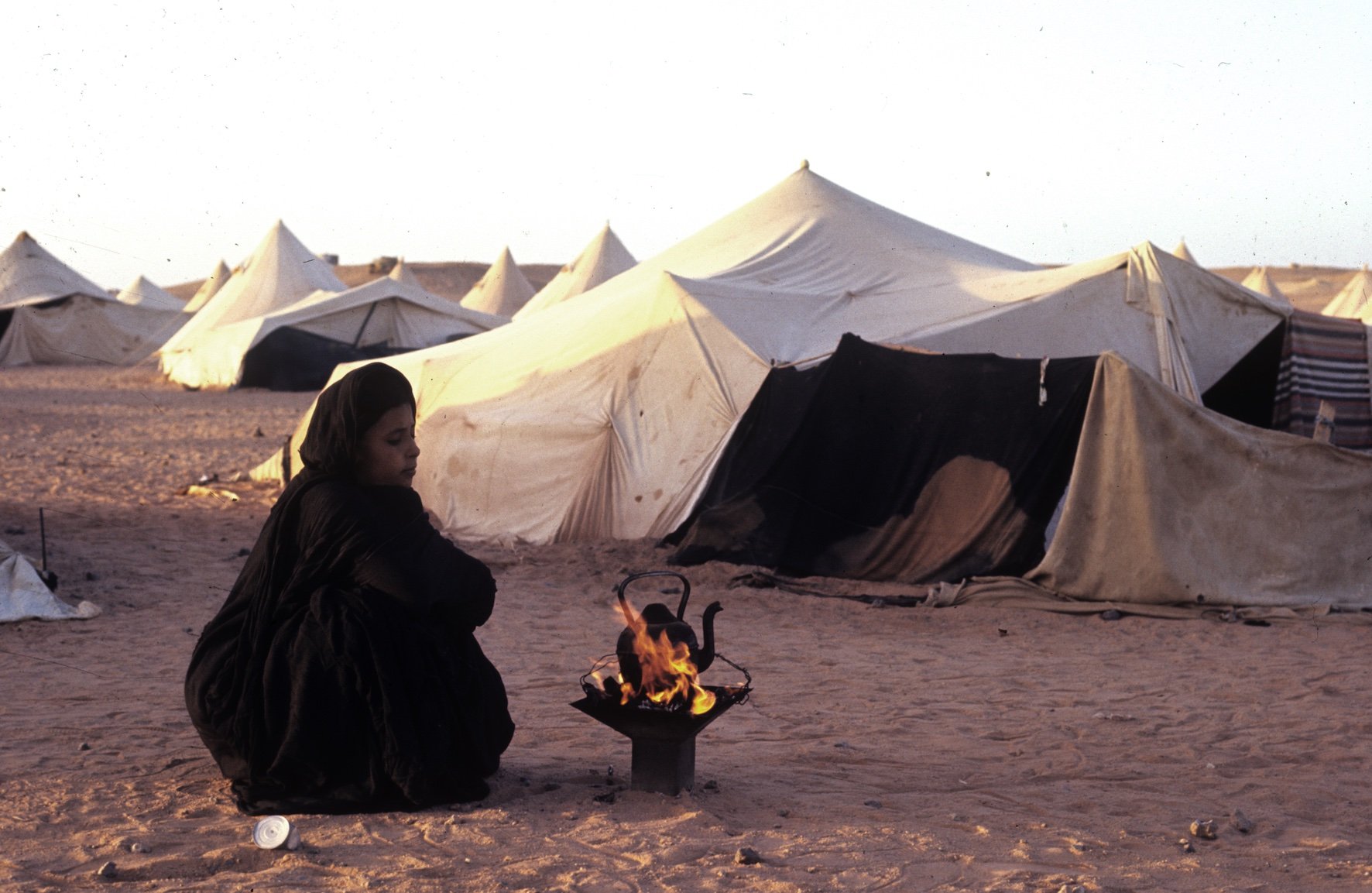
Photo by Ed Harriman in 1976
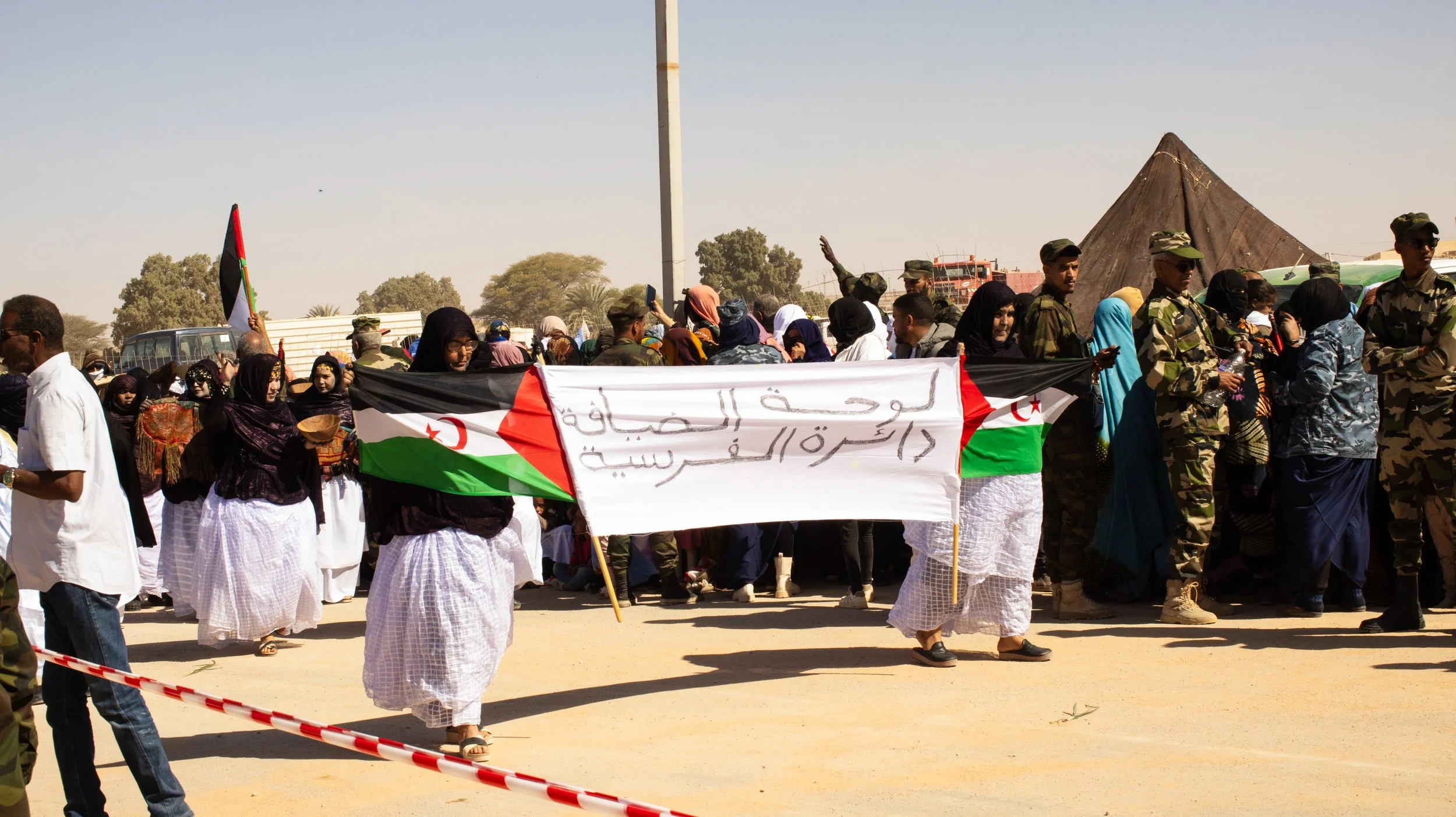
Resistance under Moroccan occupation in Western Sahara
In 1987, the first major act of Saharawi resistance emerged to protest Morocco’s mass forceful relocation of Saharawi youth to schools across Morocco, a measure that was taken to dilute political unrest coming from the students. This protest took place within the period known as the Years of Lead, which was characterised by extreme systematic human rights violations committed against the Saharawis during the first 16 years of Morocco’s occupation in Western Sahara. According to human rights organisations, over 500 Saharawis “disappeared” in this period.
Taking advantage of a UN fact-finding visit in 1987, the Saharawis broke their barrier of fear and silence, only to face brutal crackdowns. Again many were imprisoned or disappeared, including Aminatou Haidar, who became one of Western Sahara’s most prominent human rights activists.
Gdeim Izik: The Spark of the Arab Spring?
In October 2010, over several weeks, thousands of Saharawis gathered in Gdeim Izik, a protest camp near Laayoune in the Moroccan occupied capital of Western Sahara. They gathered to demand an end to discrimination, poverty, and human rights abuses. According to scholars like Noam Chomsky, assert that this peaceful protest camp was the true beginning of the Arab Spring. It was also the largest resistance act organised by Saharawis since Morocco’s occupation began in 1975.
On November 8th, the Moroccan forces violently dismantled the camp cutting off media access and blocking injured Saharawis from getting medical attention in hospitals. Al Jazeera was expelled, and Spanish journalists were barred from covering events. To this day, the casualty numbers remain uncertain. However, estimates suggest that dozens were killed with hundreds of Saharawis arrested.
The Gdeim Izik 25
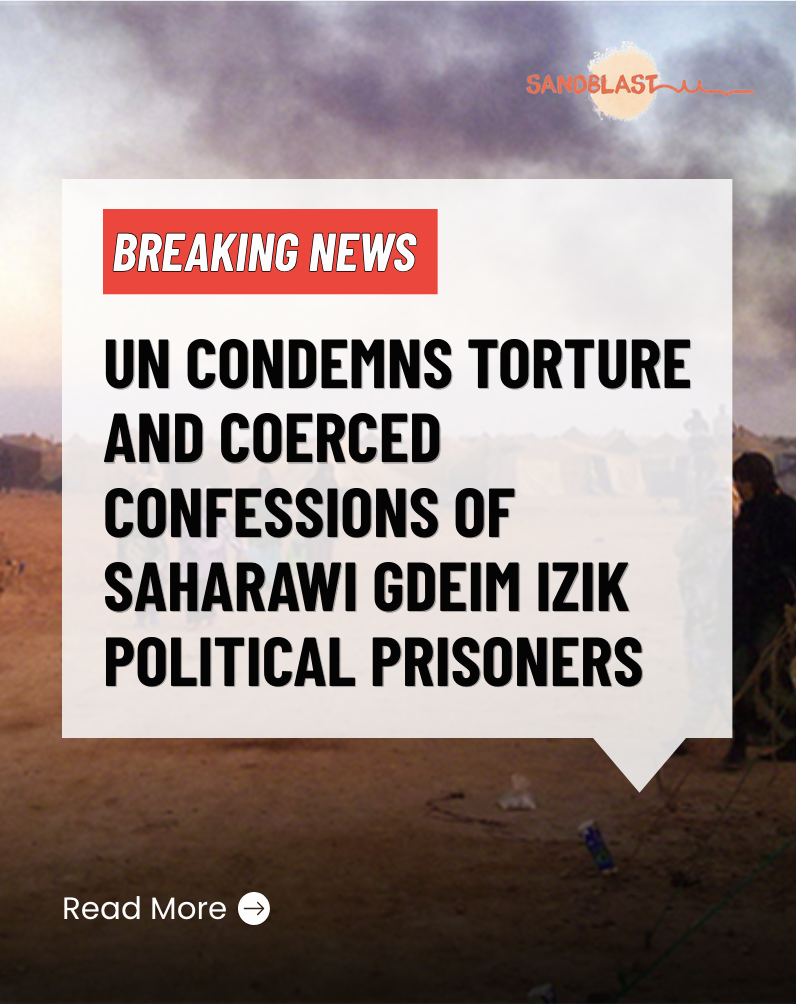
Among those detained were the Gdeim Izik 25,. This group of young civilian Saharawis had been the main organisers of the protest camp. They were subsequently unlawfully tried in Moroccan military courts and tortured to provide confessions of crimes they had not committed .
Nine received life sentences
Fourteen were given 20–30 years
Two were released after two years in pre-trial detention
Today, 19 of the 25 remain in prison, emblematic of the enduring repression in Western Sahara.
Arts & Human Rights
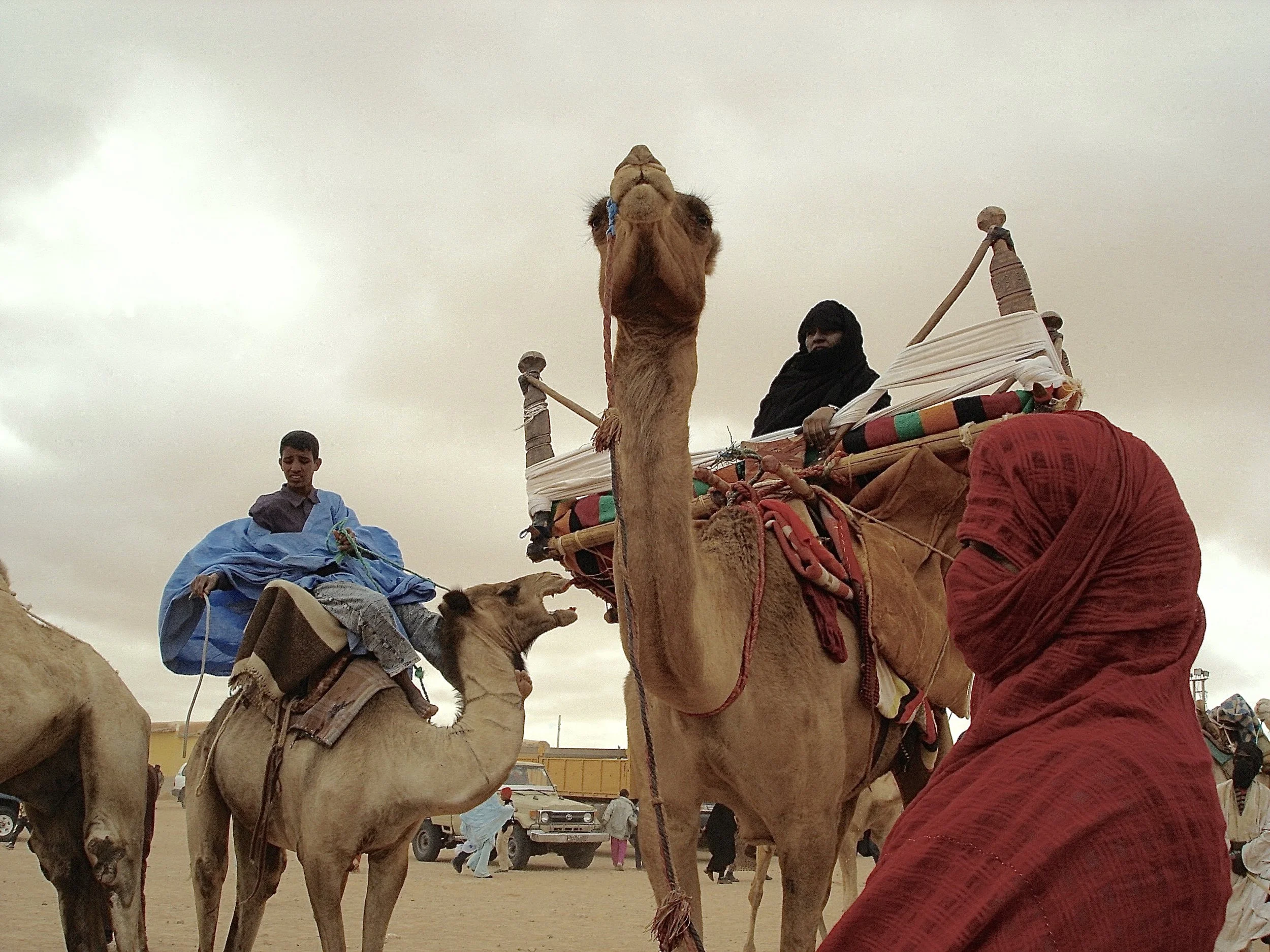
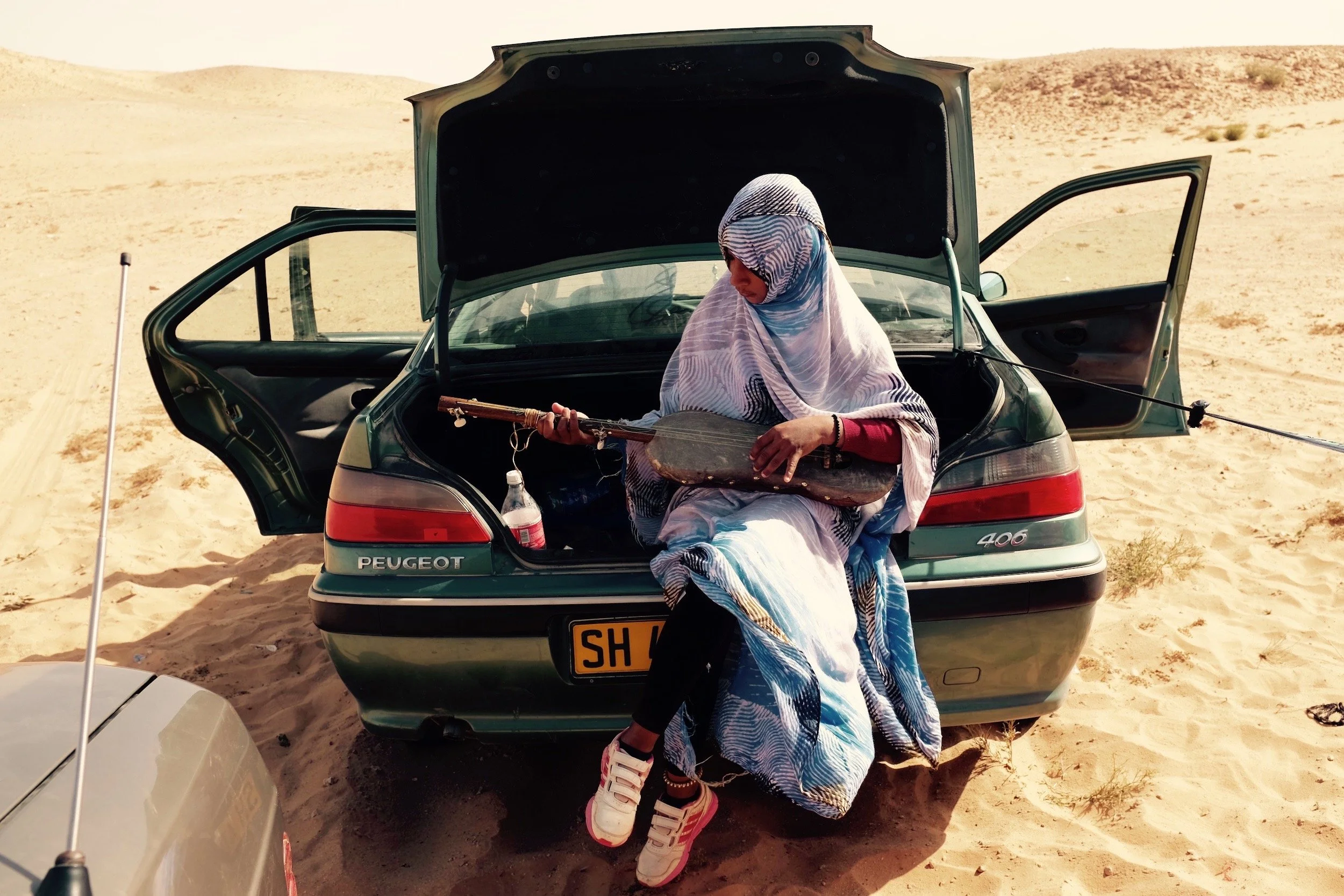
Art holds extraordinary power to cross boundaries, awaken emotions, and remind us of our shared humanity. For the Saharawis living under Moroccan occupation, art takes on an even deeper political meaning.
The Moroccan policy of “Moroccanization” in occupied Western Sahara has systematically sought to erase Saharawi identity and history. In this environment, every artistic act—whether singing a song or reciting a poem—becomes an act of defiance. Such expressions of culture can carry heavy consequences, ranging from harassment to imprisonment. Harnessing their oral traditions to express their experiences, political aspirations and Saharawi identity, are powerful means of resistance that the Moroccan authorities seek to repress at all costs.
Here at Sandblast, we value art as resistance. Many of our past projects have been rooted in uplifting Saharawi artists, and aiding their journey to share their work on the international stage. In fact, the event that lead to our organization’s founding was the 2007 Sandblast Festival. This brought together over 2,000 people from across the world to take part in a fusion of collaborative music, culture, and community.
Ever since, our work has had deep ties to the strength of artistic expression and its relationship to Saharawi identity. We carry this on through our work today, with our Music Program and Cultural Promotion and current support of our after school Desert Voicebox programme in the camps

“We will keep seeking freedom until the last Sahrawi human has died. I’m sure that will not happen. We will have our land back. That’s my land. The land of my grandparents and my great grandparents. It’s the land of our roots. We will have our land back. If not me, then my hope is for the next generation.”
- Nanaha Hassan
Where We Are Today
A UN-brokered ceasefire in 1991 ended 16 years of war and promised a referendum on independence — a promise still unfulfilled. Western Sahara remains Africa’s last colony. Morocco controls two-thirds of the territory, fortified by a 2,700km military wall known as the Berm.
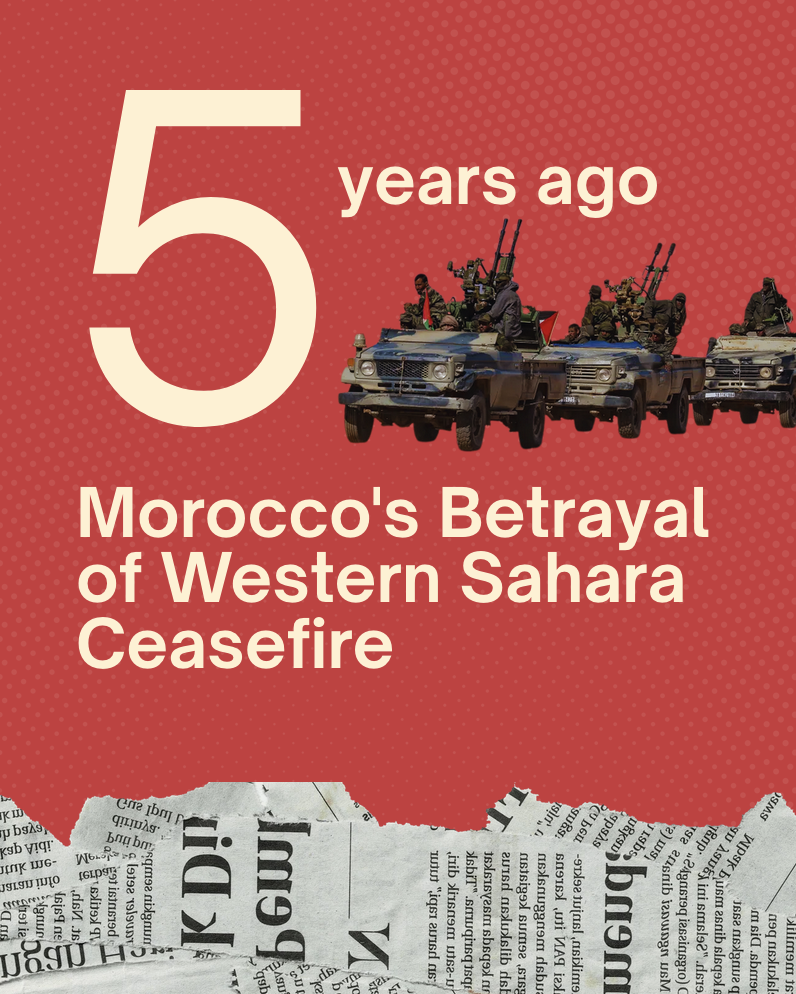
Since late 2020, frustration over the failed peace process has reignited conflict between the Polisario and Morocco, while the international community remains largely silent.
Now, as 2025 marks 50 years of displacement, the Saharawi fight continues with growing efforts of intergenerational collaboration to spread their message and elevate their community’s voices.
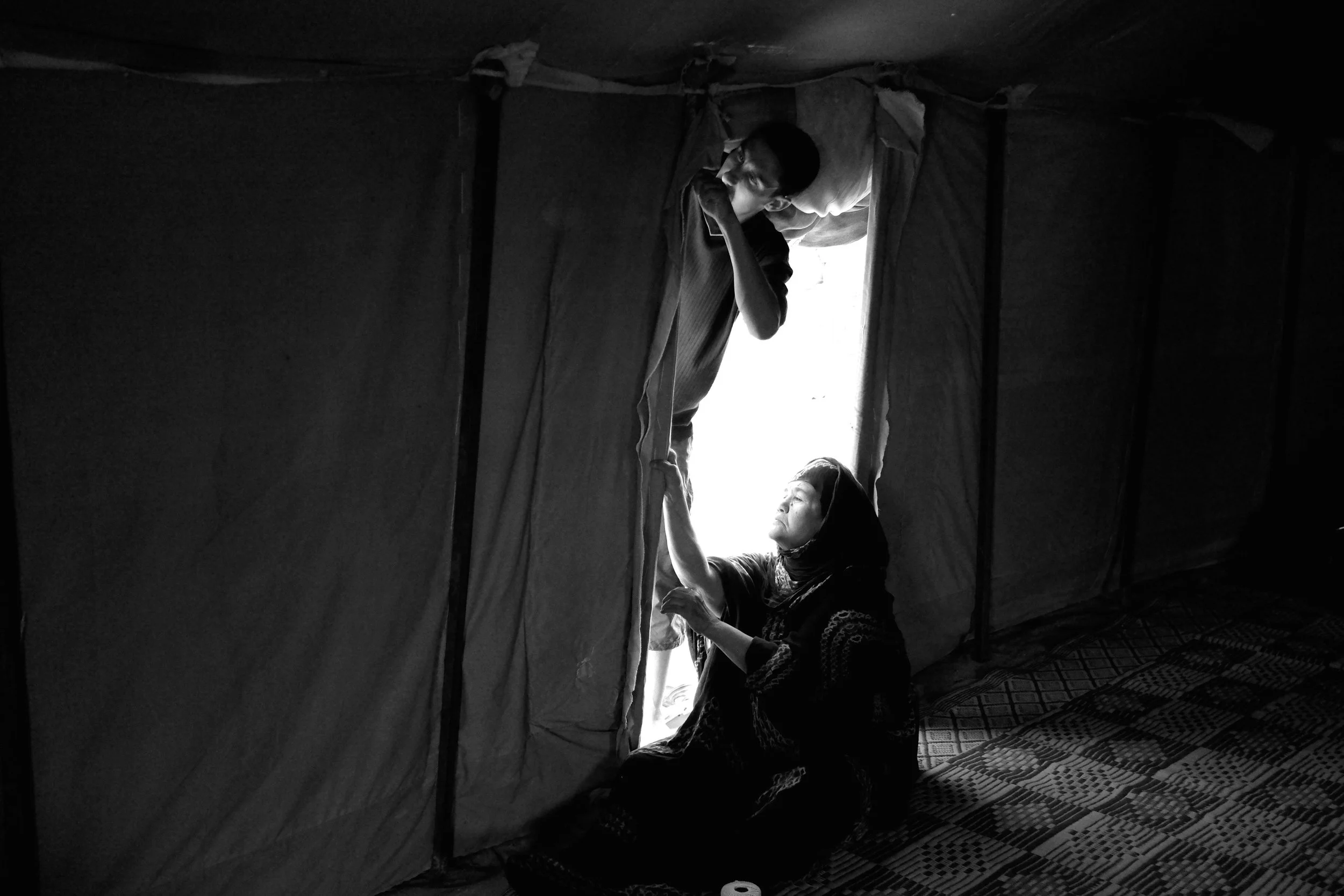
Explore the carousel below to browse a selection of our infographics on recent news, context, and history on Western Sahara
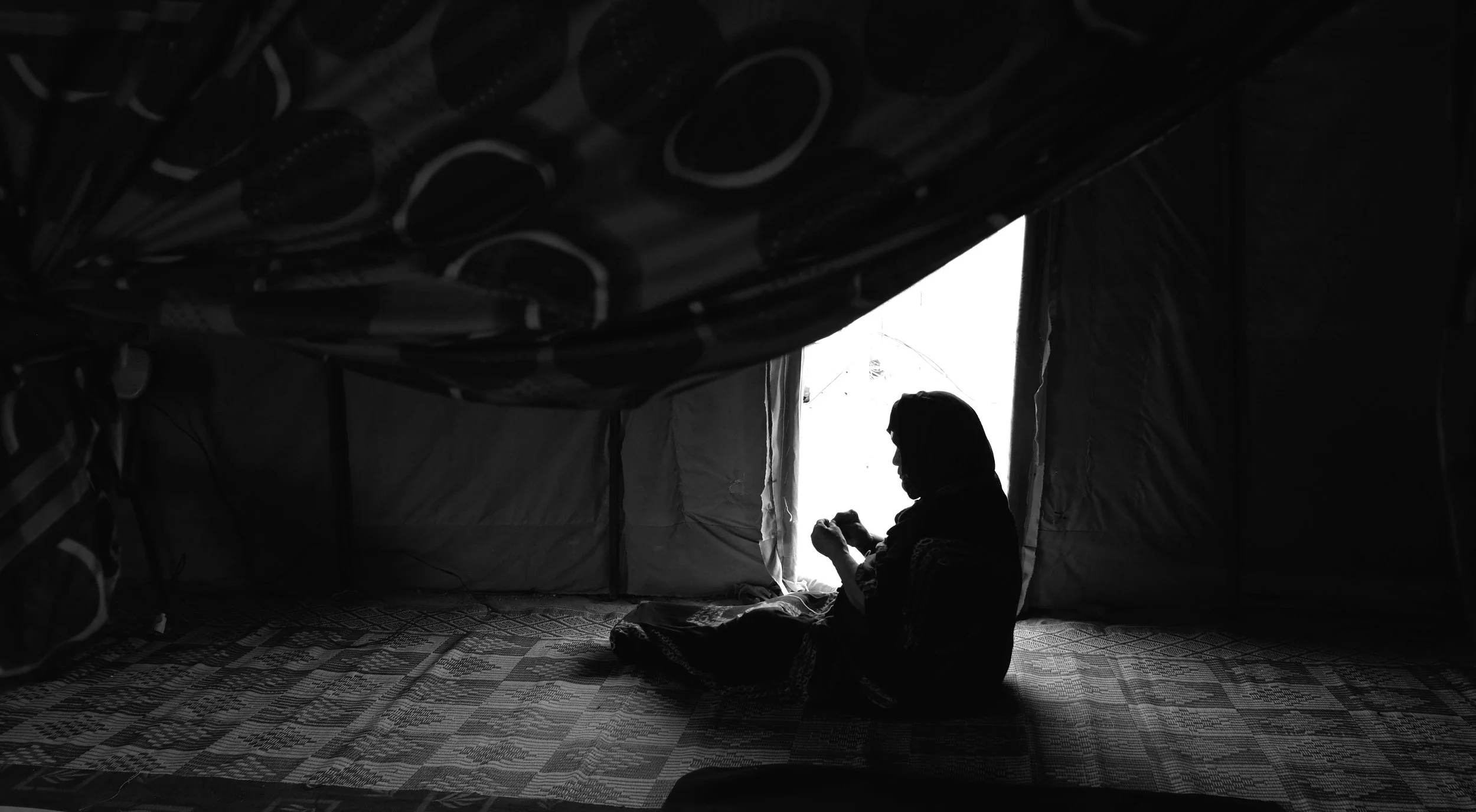
“There is no government too usurper or cruel, or king too sovereign, that can look me in the eyes and claim they are not guilty. They can't, for they won't forget the times I have faced them, exposed them, and won.”
– "I Am Sahara," Salka Embarak