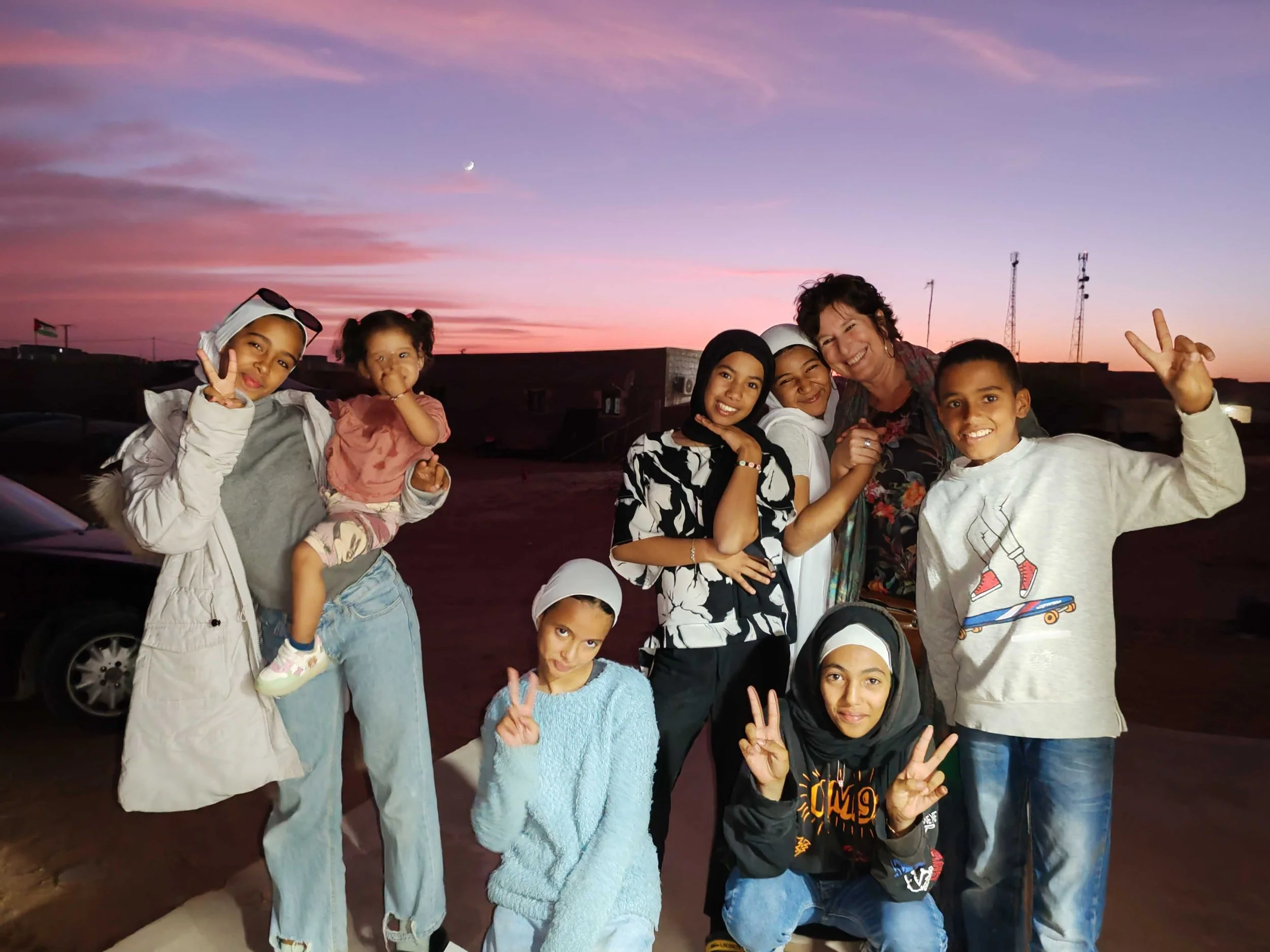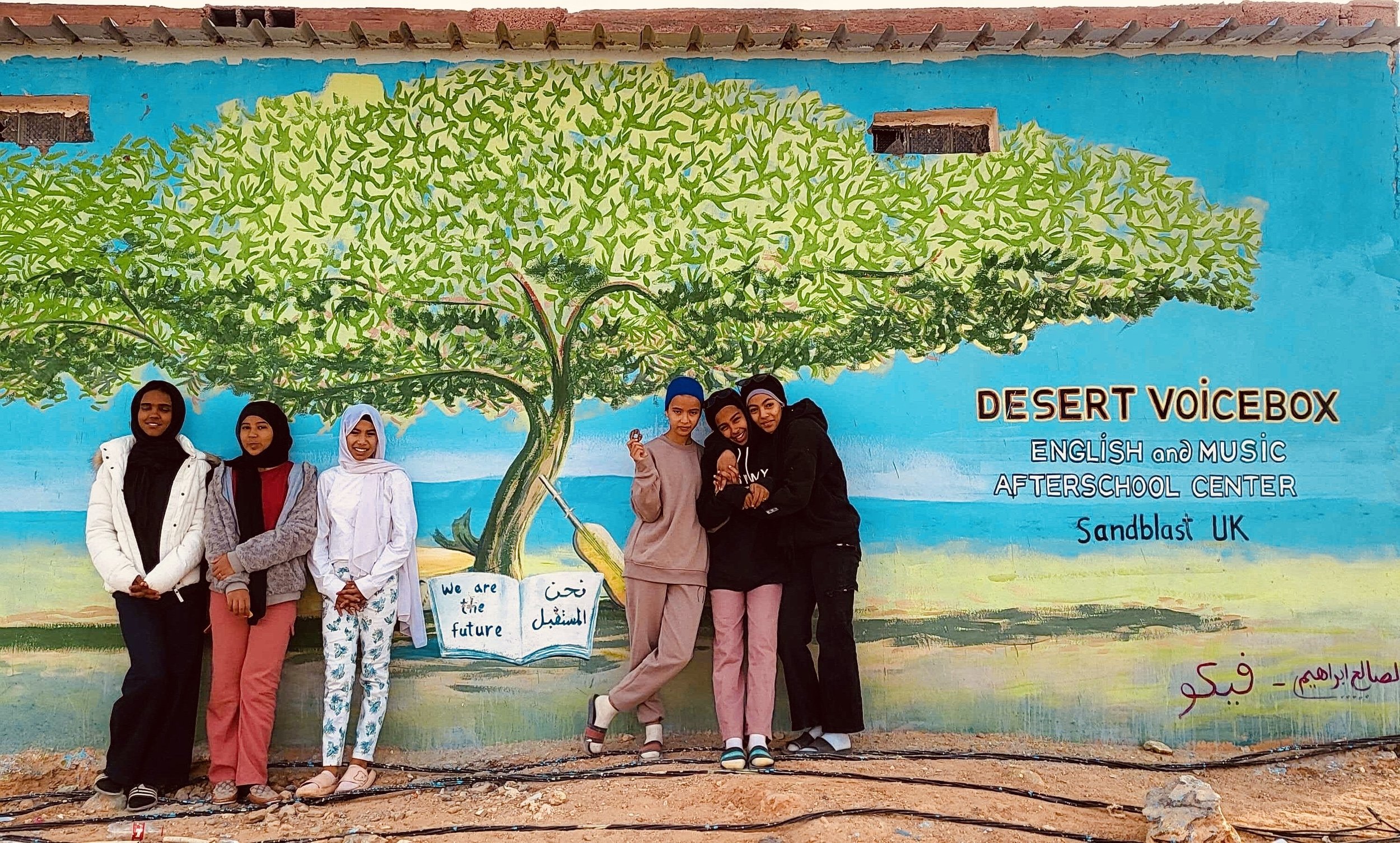
Desert Voicebox is a pioneering after-school programme bringing creative English language and music education to Saharawi children living in the refugee camps of southwest Algeria.
Vitally, we run bespoke trainings to aid local women become educational leaders for the next generation of Saharawis.
"Desert Voicebox is so important for our school and for our children... There is so much demand for the programme and we hope that it can grow in the coming years."
-Salka, Director of Lal Andala Primary School in camp Boujdour where Desert Voicebox is based
Our Objectives
• Empower refugee women to become qualified educational leaders
• Inspire children to learn and develop their potential
• Promote knowledge of their own culture and of others
• Facilitate access to international platforms for Saharawis to share their stories
• Enhance self-reliance and reduce aid dependency
"I can say it is one of the most beautiful opportunities to exist for Saharawi children in the refugee camps. They come eager to learn about music every day and I can see how it affects them positively."
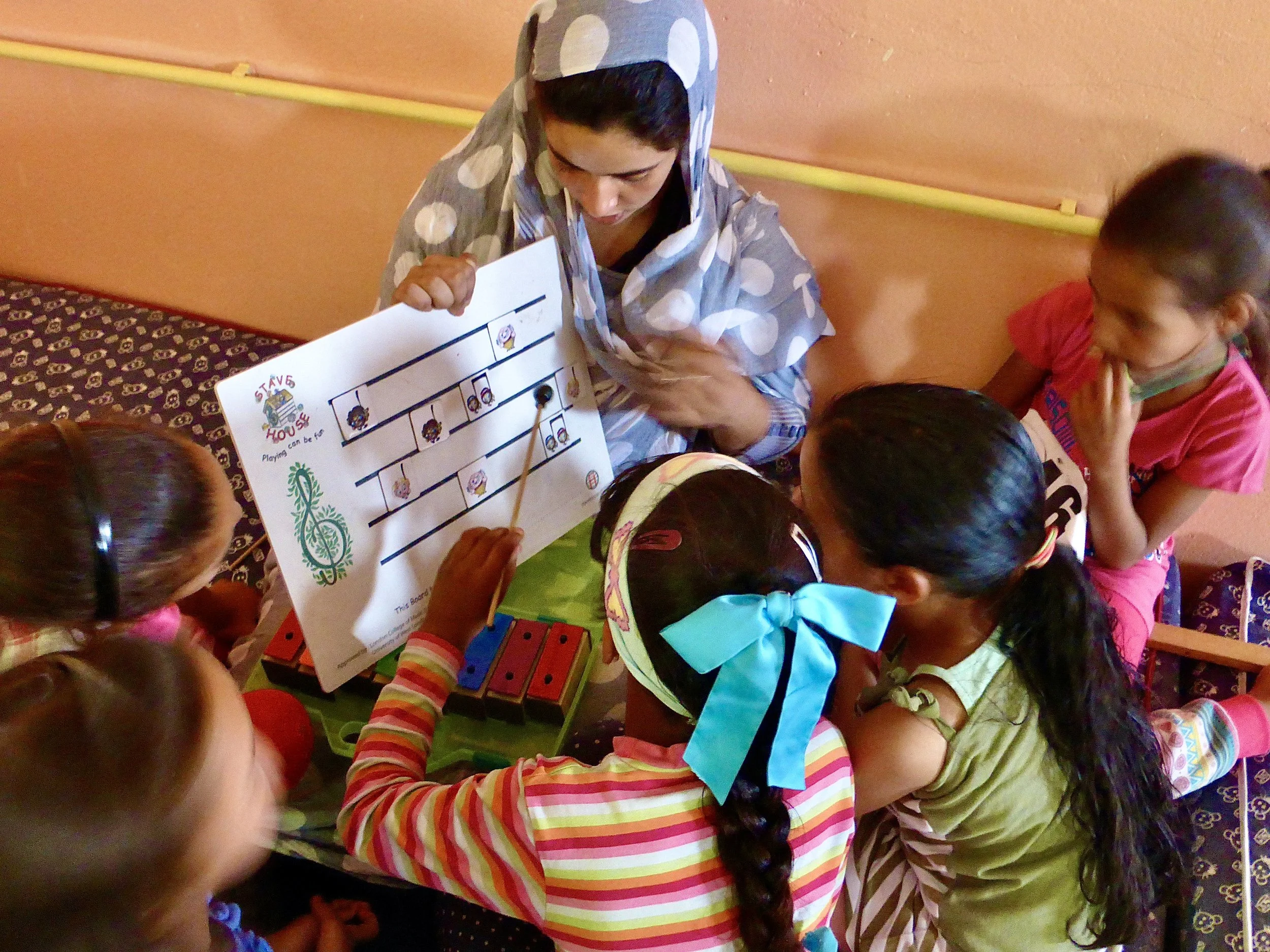
– Fatimetu Malainin, Desert Voicebox music teacher
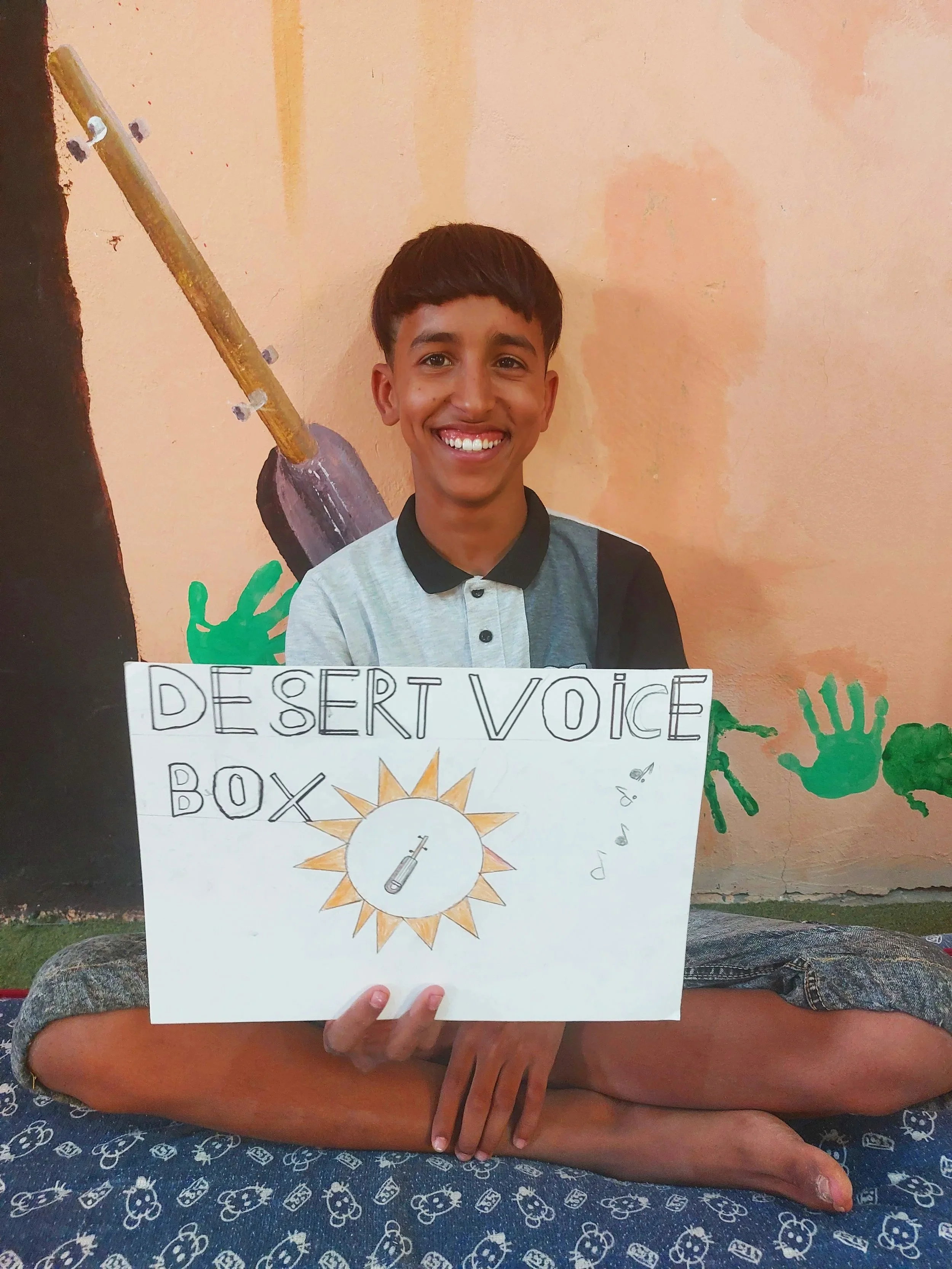
How it works
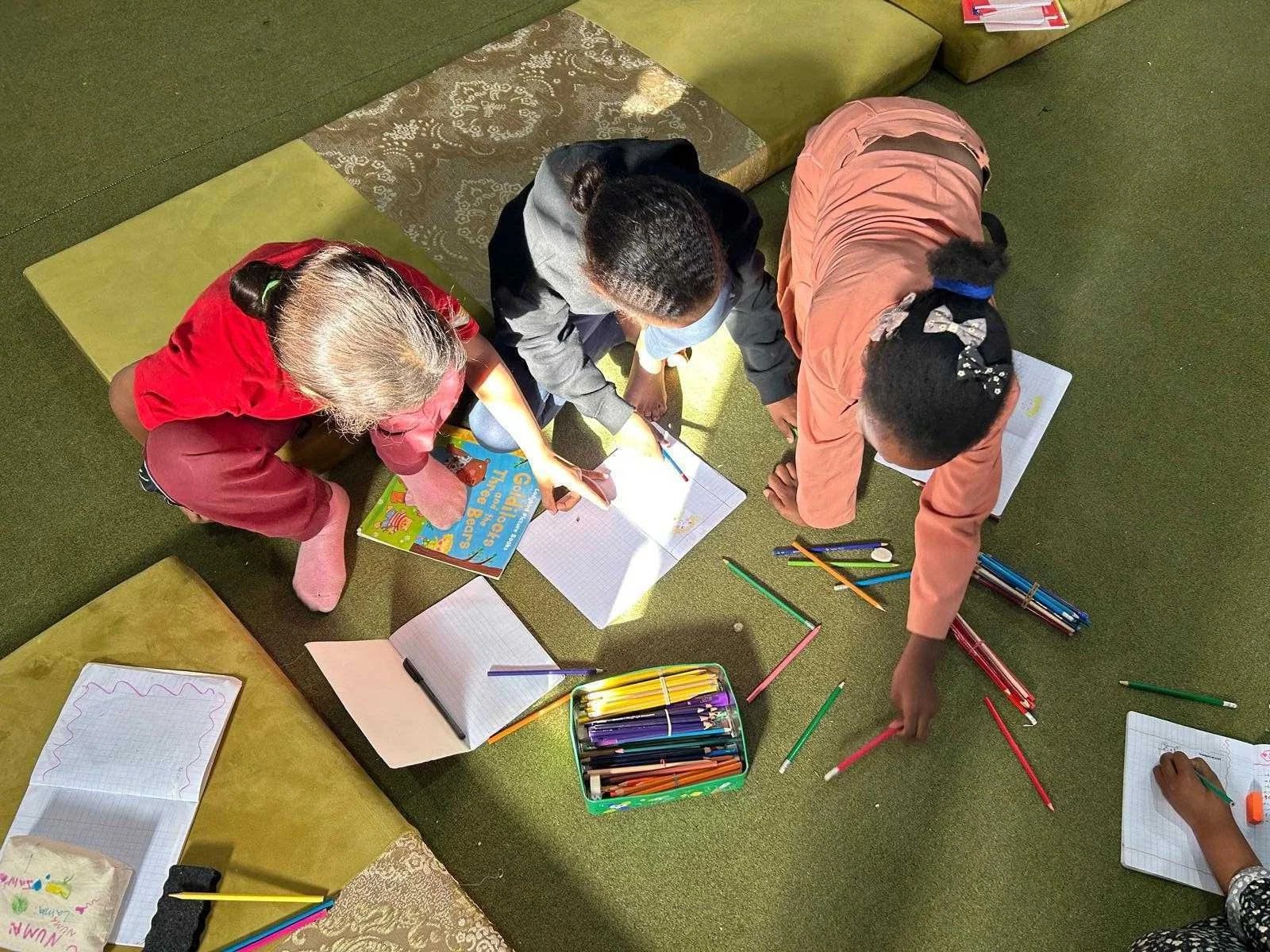
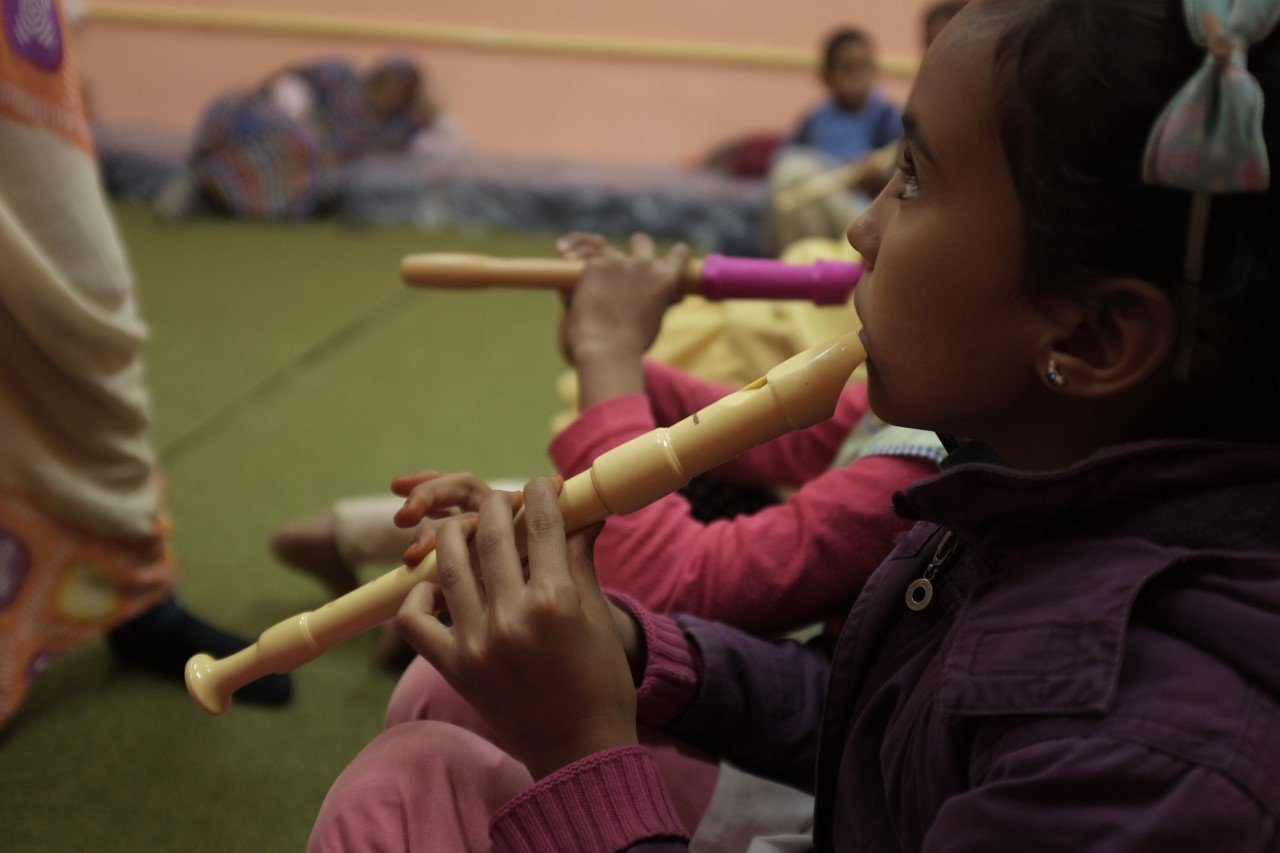
60 children aged 8 to 12 learn English and music five days a week during the academic year. The after school programme is based in our purpose-built learning centre within the premises of Lal Andala primary school in Camp Boujdour—the smallest of five camps that are home to over 173,000 Saharawi refugees (UNHCR 2018).
English and music are taught in a mutually-reinforcing manner: the English curriculum follows the CEFR framework to build strong speaking, listening, reading, and writing skills toward B1 level at graduation, while music education uses the Stave House method developed by Sandblast friend Ruth Travers, which employs storytelling and interactivity to engage children's imagination and creativity. The certificates accompanying the completion of each level are validated by the London College of Music Examination Board.
Four local Saharawi women are being trained to teach the programme across four progressive levels to become fully qualified and able to train future teachers. They are supported by a local administrator and qualified volunteers who deliver training through remote sessions and periodic on-site workshops. We prioritise recruiting women passionate about teaching who haven’t had the chance to go to university but want to develop careers locally.
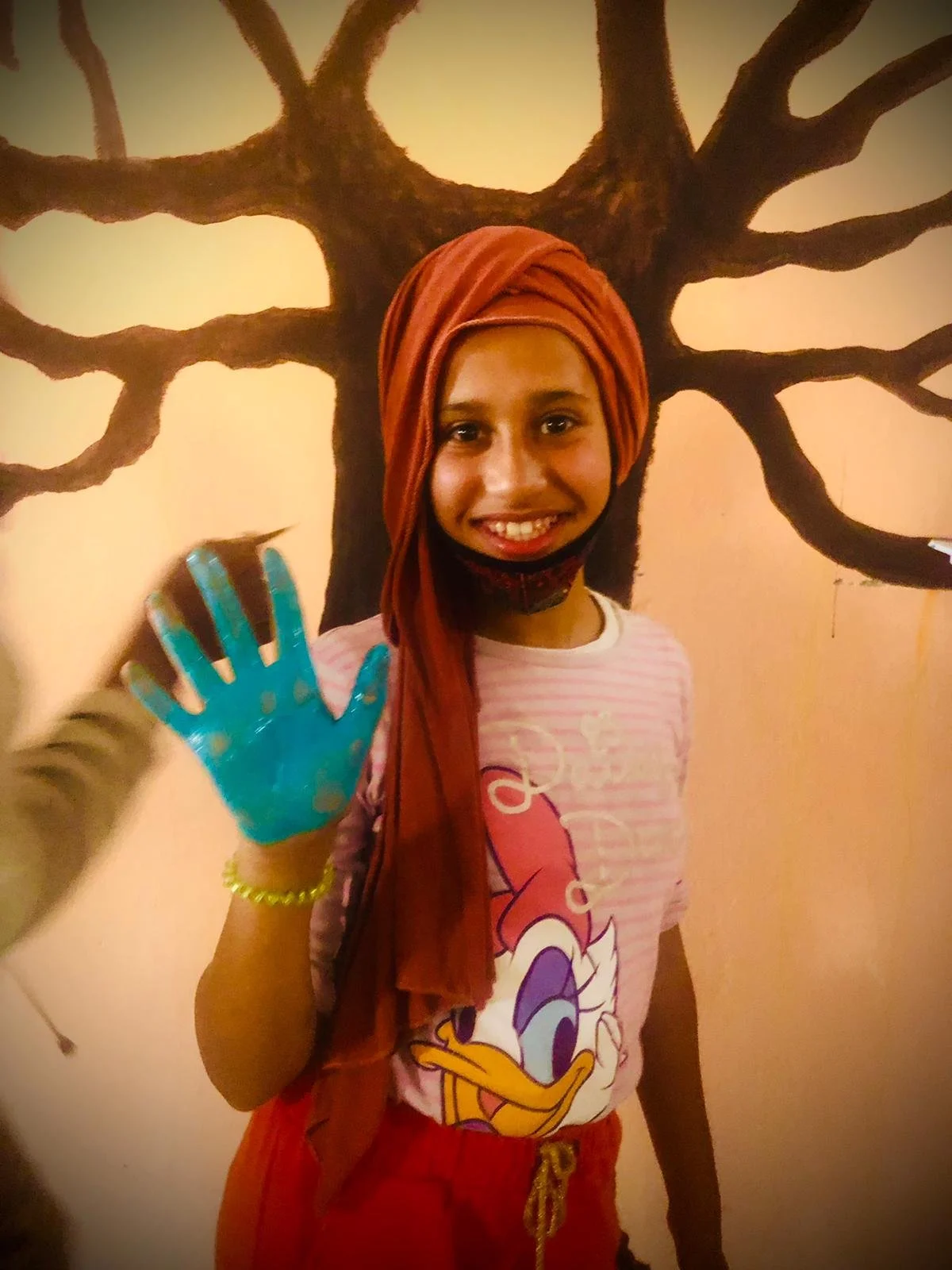
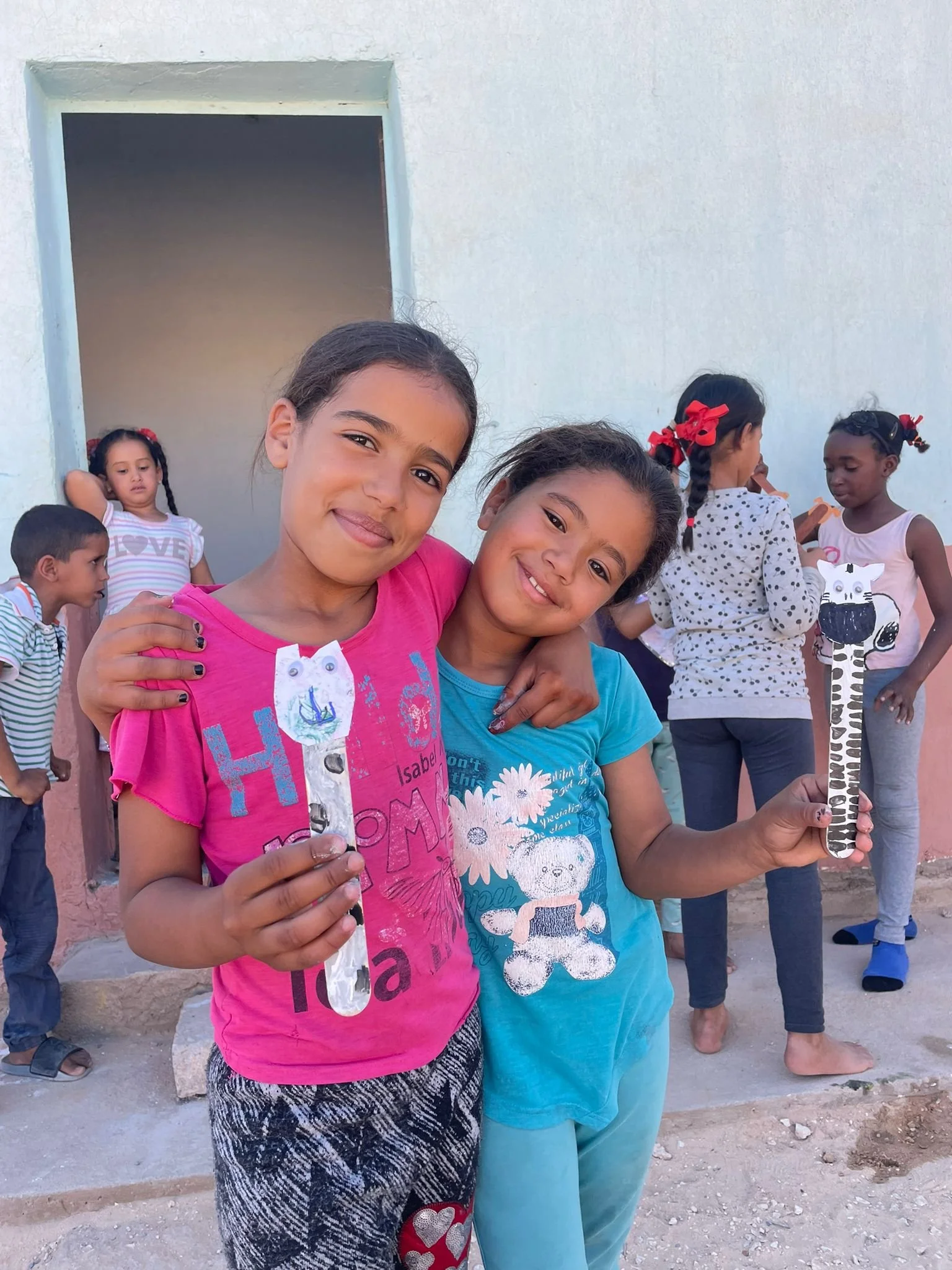
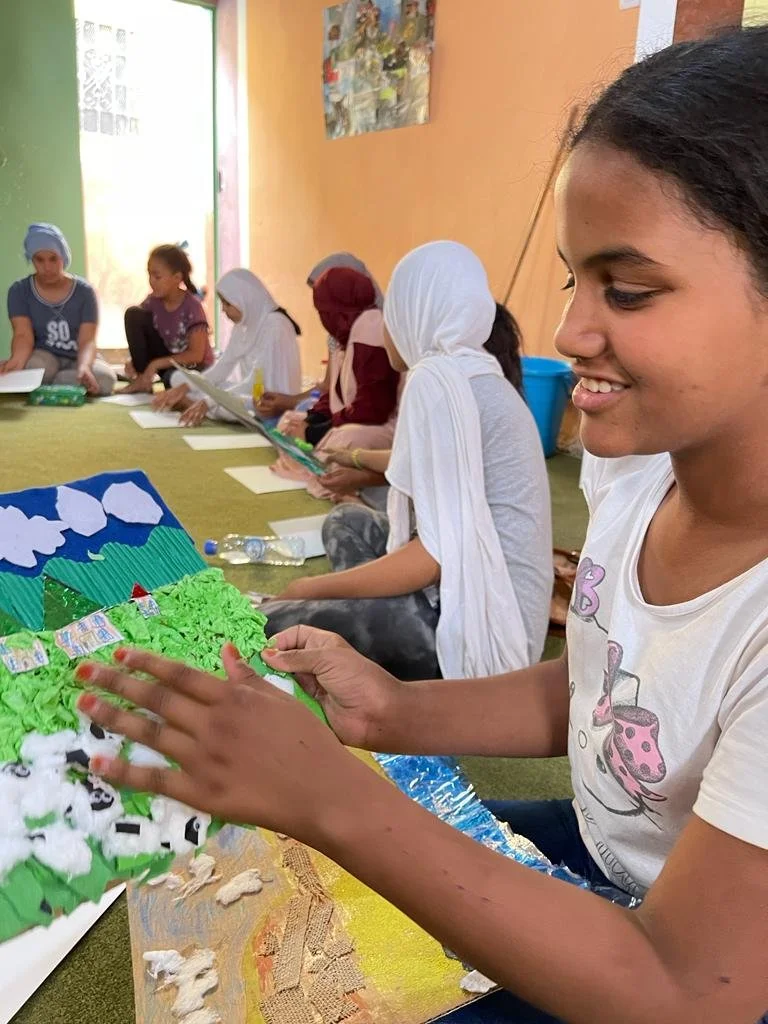
Enrichment activities have been integrated into the regular programme since 2019 and include Creative Workshops- run 3 to 4 times a year by international qualified volunteers to provide fun, stimulating learning opportunities for the children to creatively express themselves.
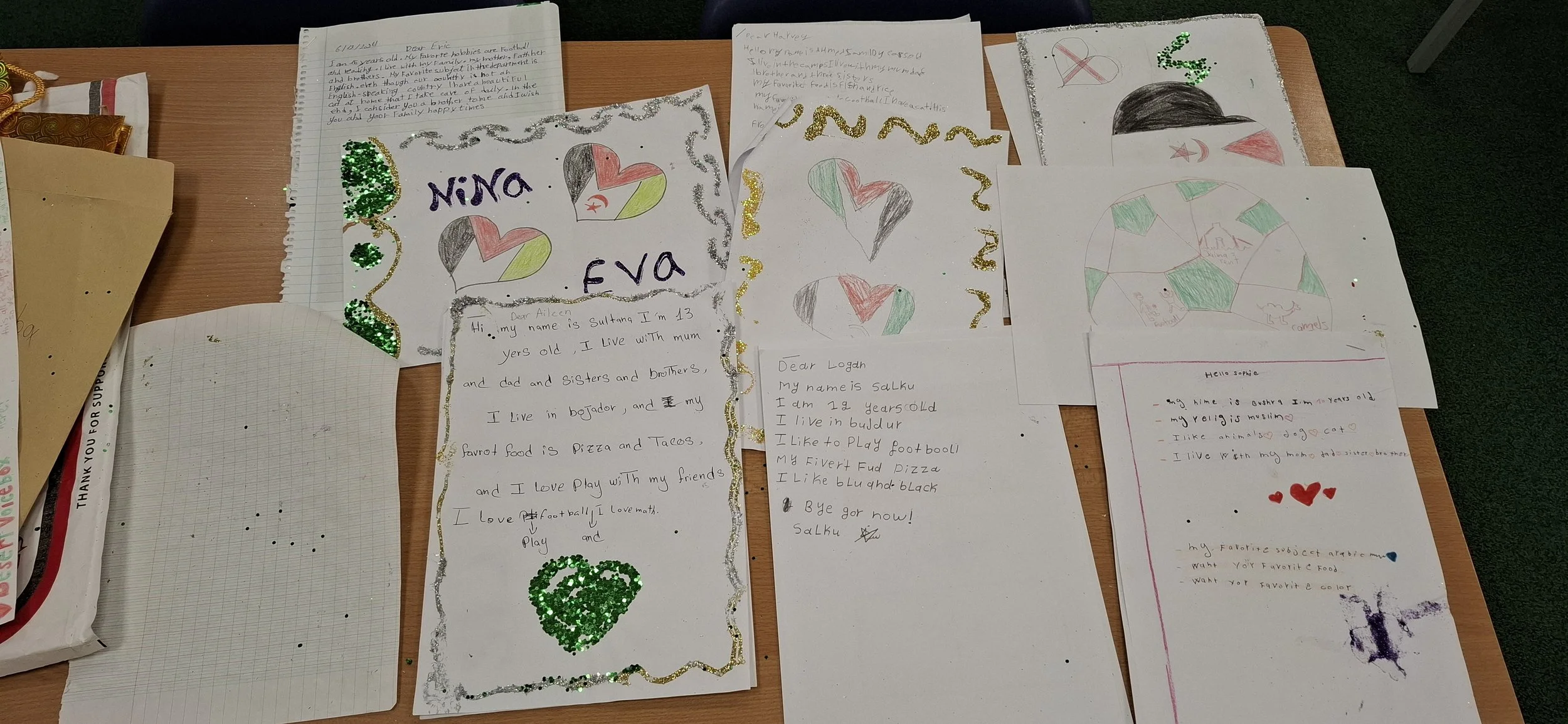
Our Penpal Exchange Programme connects our students with children from around the world, fostering meaningful cross-cultural friendships and real-world English practice. In addition, local Saharawi musicians and dancers deliver weekly Traditional Music Lessons and Saturday story reading and informal conversation sessions are run with native English speakers regularly to build vocabulary, comprehension and improve fluency and pronunciation
Volunteers are the heart of Desert Voicebox—whether teaching on-site, leading creative workshops, or offering remote support, their skills and enthusiasm make a lasting impact. If you are interested to get involved please register with us and help us expand opportunities for these aspiring young learners.
Check out the video below to see how Desert Voicebox works!
By teaching English and Music -neither of which are taught in primary schools in the camps- Desert Voicebox is equipping Saharawi children with the skills and knowledge to open new doors and express themselves and their culture to wider audiences.
Why Music ?
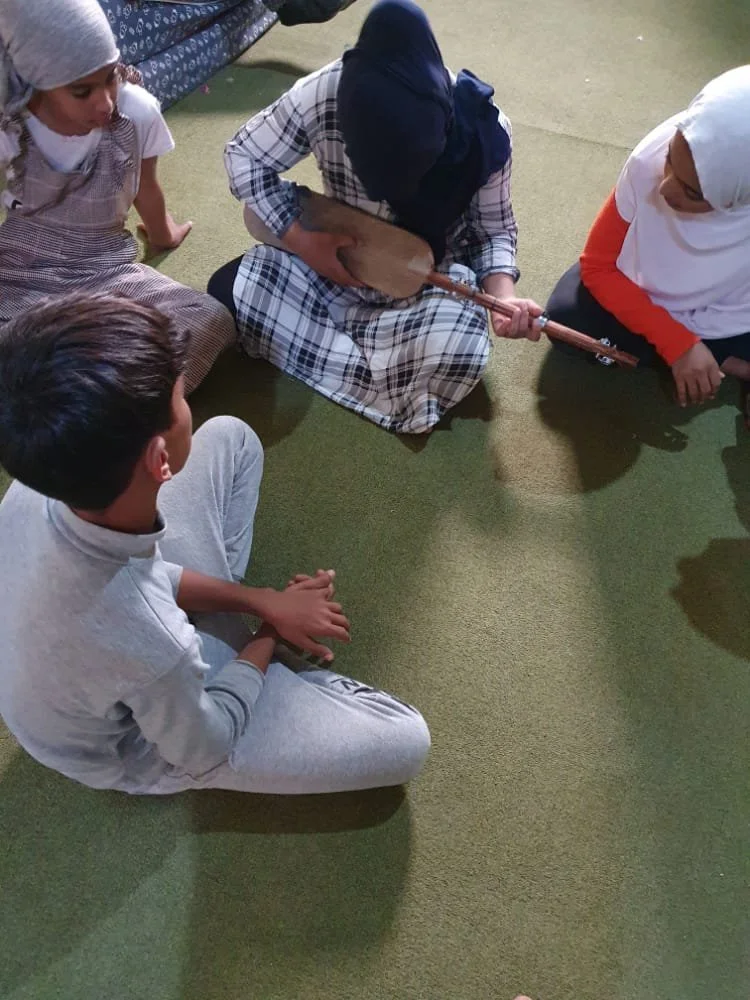
Historically, music has played an important role in expressing the Saharawi freedom struggle. By providing high quality education in both international and traditional music-making, Desert Voicebox is equipping the next generation with the tools to engage in international collaboration, promote their unique cultural heritage and continue the tradition of non-violent resistance through music. Today, as a result of protracted exile, it is estimated that more than 60% of their intangible heritage has already been lost, with fewer elders left to transmit knowledge of their roots and past.
Why English ?
English has been identified by the Saharawis as an important language for them to learn in order to access higher education opportunities in English-speaking countries and participate in international platforms to advocate for their rights. Through our Desert Voicebox programme, we are addressing a language barrier so the next generation can seize these opportunities and have their voices heard on global stages.

Our Enrichment Activities:
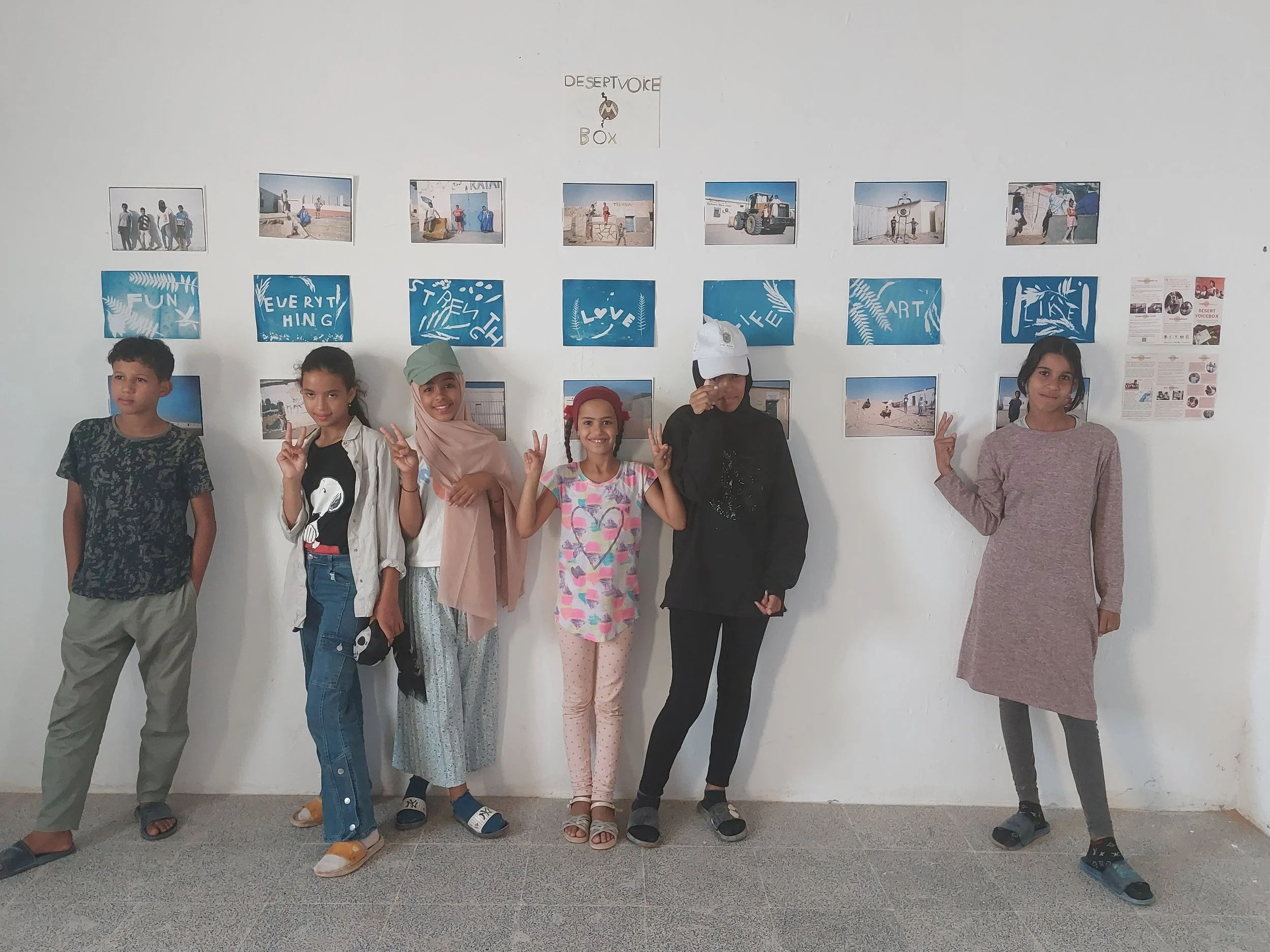
Integrated into our regular after school programme at Desert Voicebox are enrichment activities to promote creative expression in diverse media, strengthen cultural roots through music, foster inter cultural friendship and develop literacy skills.
Our commitment to education begins with our educators!
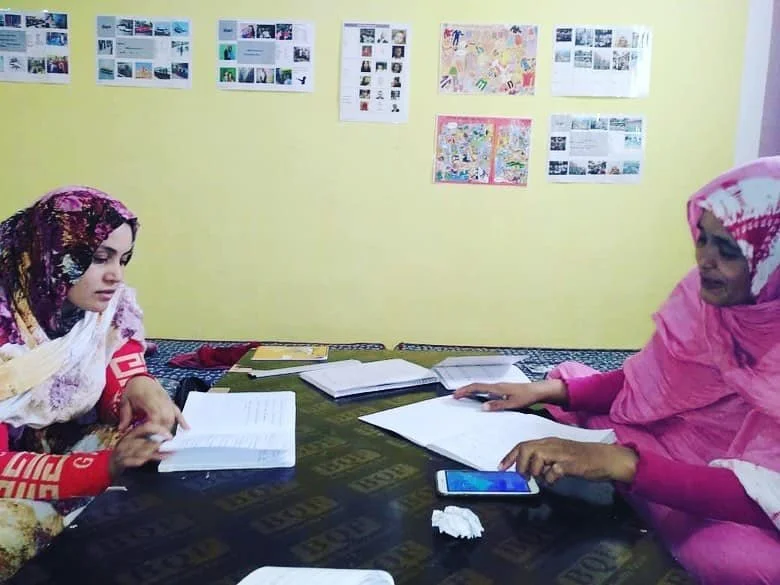
We strive to provide the best for our students by ensuring their teachers are trained to high standards. Through our bespoke training programs and workshops, we work to provide the educators at Desert Voicebox with new perspectives and methodologies, furthering their abilities as leaders in the classroom to deliver our students the brightest futures possible.
Our Positive Impact
Since 2016, Desert Voicebox has delivered meaningful outcomes across multiple areas.
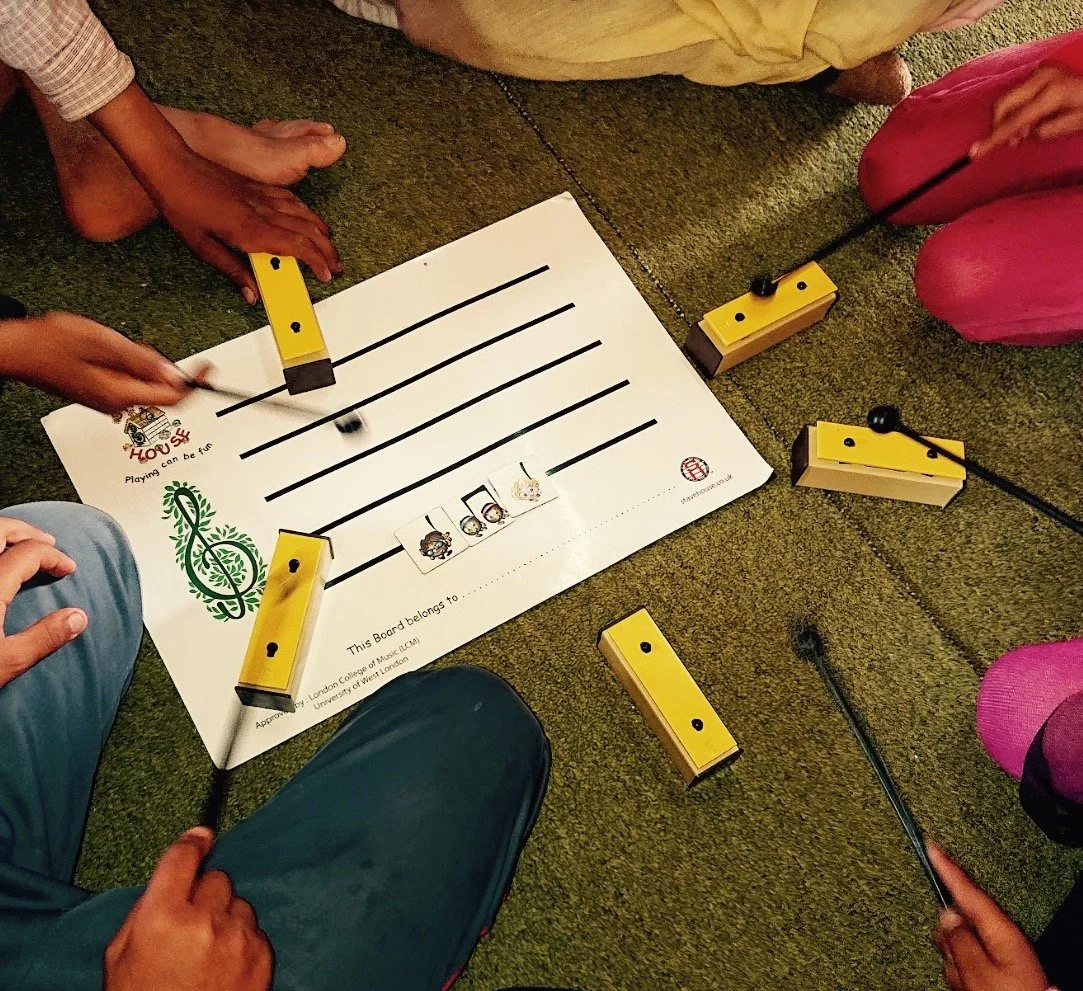
Music Education
We have so far provided over 150 certificates from the London College of Music to students passing their Stave House music exams across 3 levels..

Creating Global Connections
Through our international volunteer programme, students have practised English with fluent speakers, expanded their cultural horizons, and gained new perspectives outside the norm of life in the refugee camps.
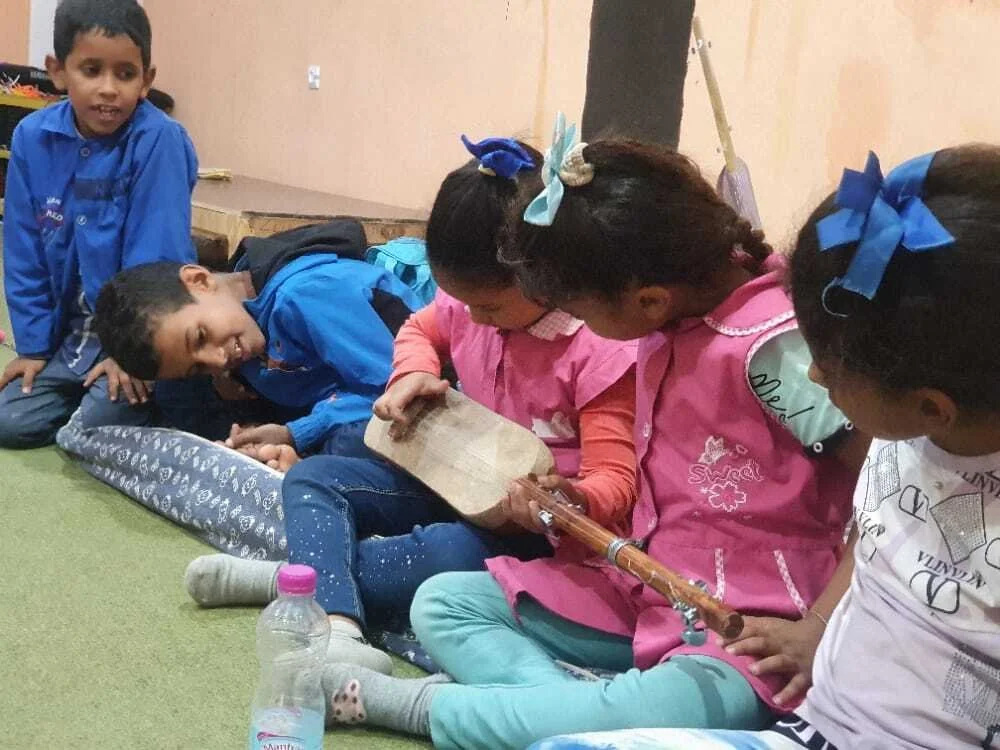
Promoting Cultural Pride
Thanks to regular lessons in traditional Saharawi music, taught by local artists, the students have developed the pride confidence and ability to be cultural ambassadors for international audiences.

Broadening horizons
We’ve established over 10 international penpal links in the UK, US, Romania, and Germany—facilitating cross-cultural understanding and building friendships between students and educators.

Empowering Women
We have empowered five Saharawi refugee women to become local educators and lead the programme from within their own community.
The UK Summer Programme
One of our proudest achievements with Desert Voicebox.
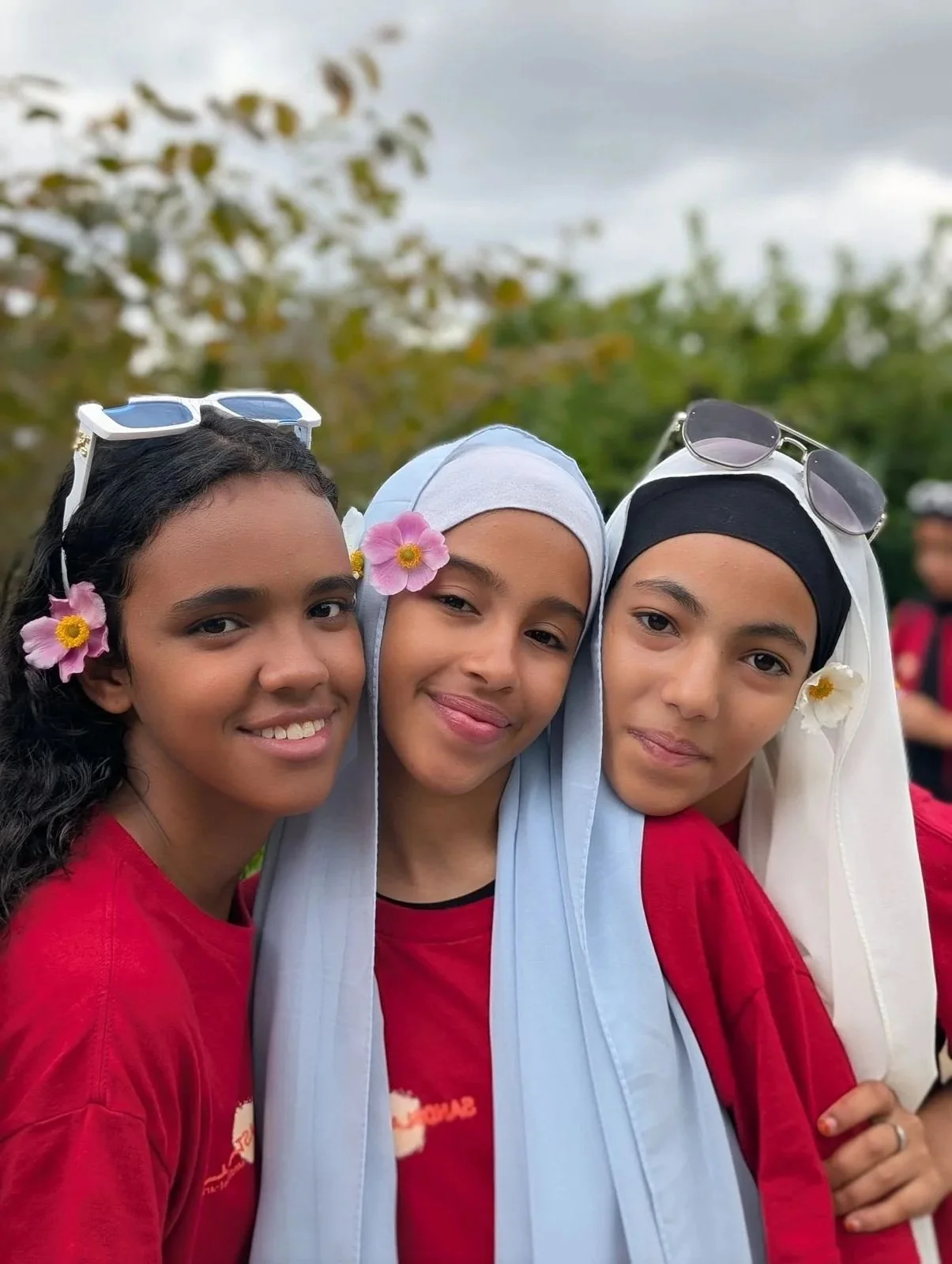
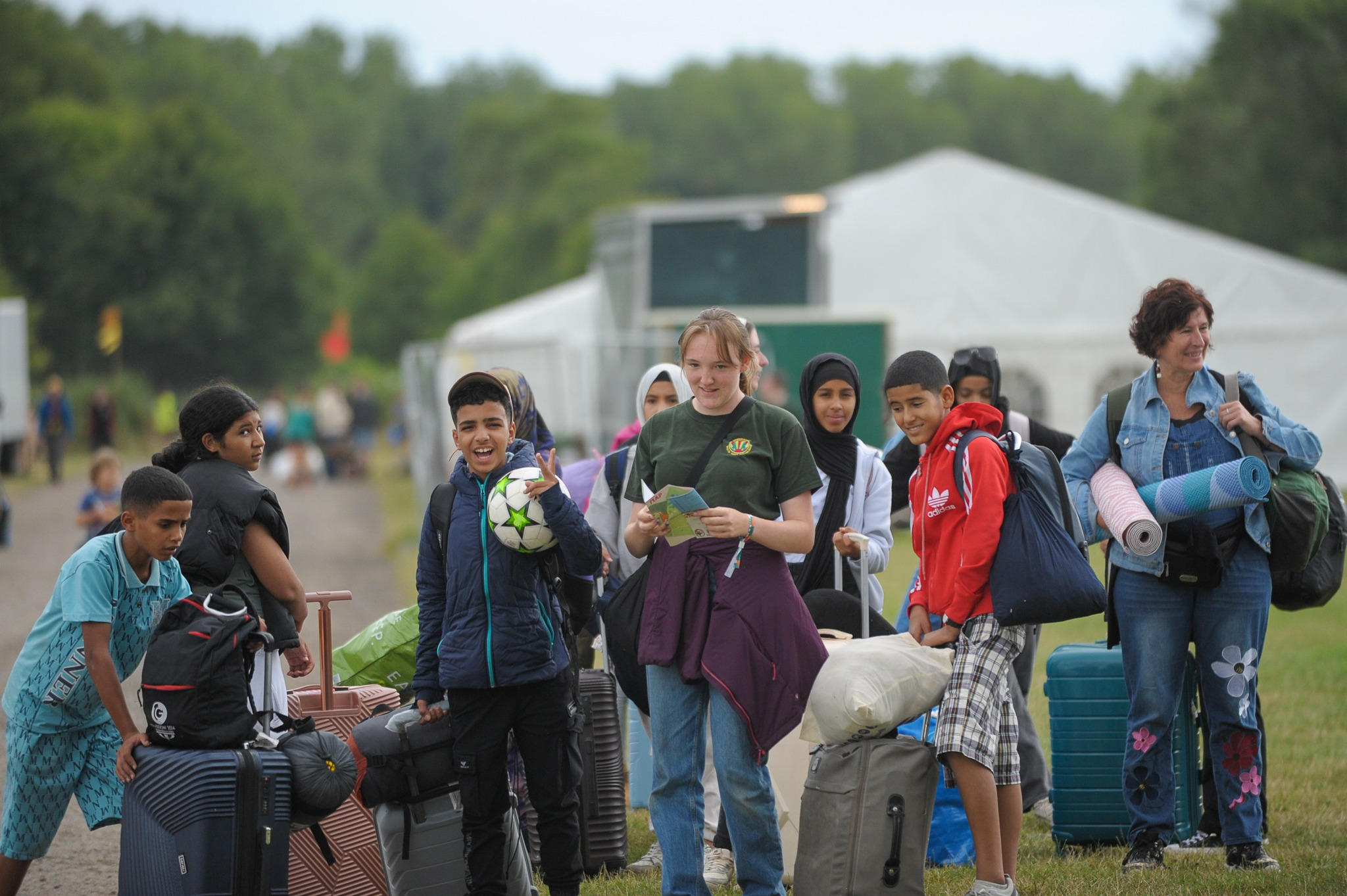
In summer 2025, ten young graduates of Desert Voicebox and their two Saharawi English teachers visited the UK for six weeks for their first journey beyond the refugee camps to experience an educational and cultural immersion programme. The students explored life beyond the harsh desert conditions through diverse activities including taking trains, exploring woodland trails, singing around campfires, painting with chocolate, trying yoga, visiting zoos, going on the London Eye, seeing the Lion King musical. They participated in Stave House music and photography workshops, visited galleries, and took part in hip hop and break dance sessions while visiting locations across London, Manchester, and beyond.
Through these immersive experiences, the students showcased traditional Saharawi music and dance alongside original songs created in creative workshops building meaningful cross-cultural connections and raising awareness of the Saharawi struggle for self-determination. They stepped up to their role as young cultural ambassadors, winning hearts and minds where ever they went. This pioneering programme demonstrated the transformative power of cultural exchange in amplifying refugee voices and creating lasting bonds of solidarity.