Poetry
Poets have always been held in very high esteem in Saharawi culture. Their poetry has undeniably one of the secret weapons of the Saharawi independence cause. It has also been a primary oral tradition for expressing the cultural identity of the Saharawis, their resistance, and their national aspirations since the early 70s.
On this page, you’ll find more information about their language, poetry, and culture of storytelling.
What is Hassaniya?
Hassaniya is a dialect of Arabic spoken in parts of North Africa, particularly in the regions of Western Sahara and Mauritania. Hassaniya has linguistic influences from a variety of sources but primarily Arabic. In the context of the contemporary struggle, Hassaniya has become an important means of expressing Saharawi identity and resistance.
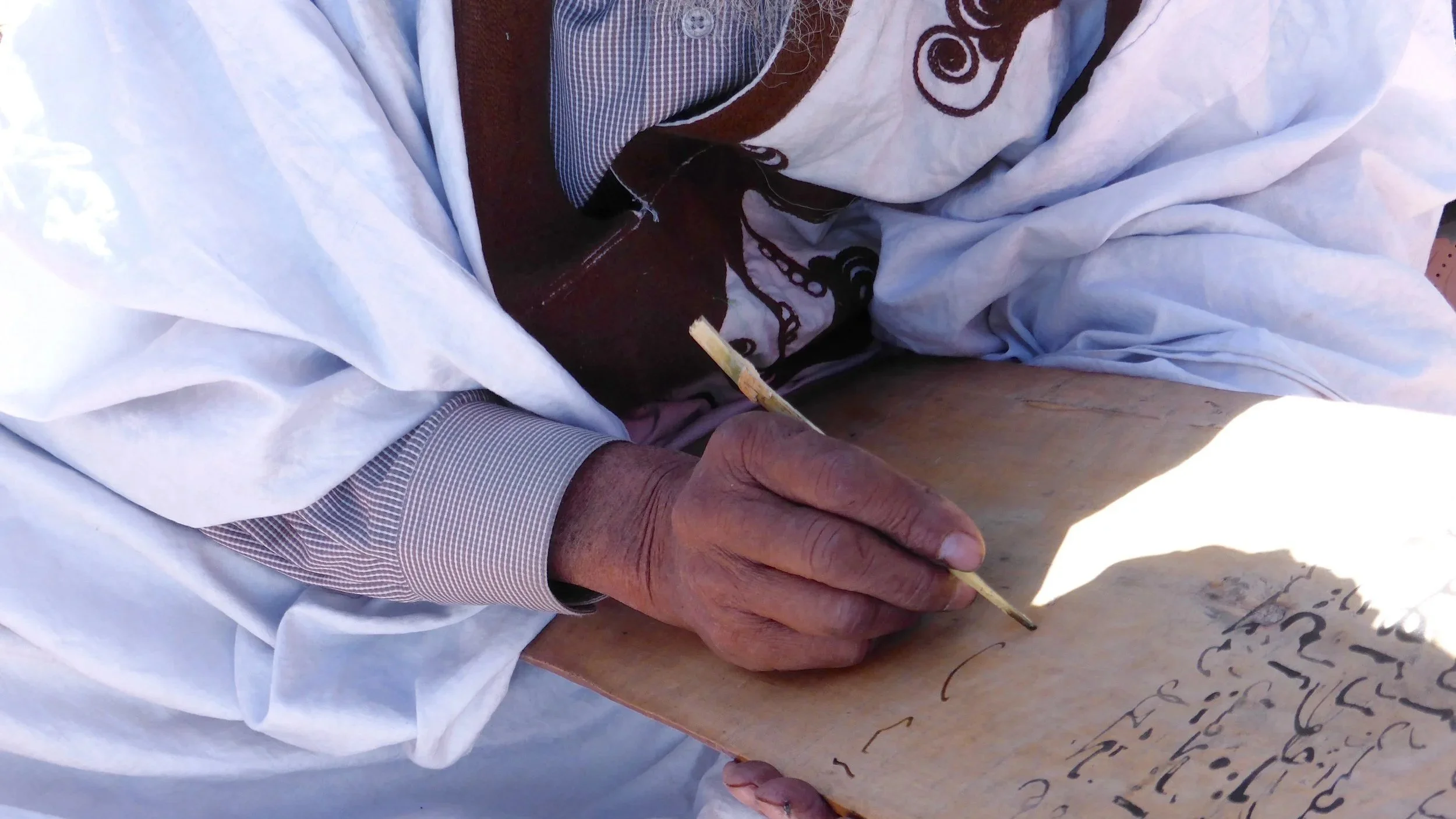
Hassaniya evolved with distinct differences from other dialects of Arabic due to the geographic and historical contexts that shaped this language and the culture of its speakers. Though, Hassaniya was traditionally an oral language, it can be written with Arabic Script.
It is no exaggeration to suggest that without poetry, especially poetry composed in Hassaniya, the emergence of the independence movement in 1973, led by the Polisario Front, may never have grown to the mass scale it did.
Aiming to liberate Western Sahara from hundred years of Spanish colonial rule by armed struggle, poetry was the movement's other crucial non-violent weapon. And when Spain finally withdrew but left the Saharawis facing yet another invasion and occupation of their land by Mauritania and Morocco, poetry again galvanised the people to resist.
The Polisario’s visionary leaders understood early on that poetry could unleash the potent emotions needed to mobilise people into action. Also, as the nomadic Saharawis were barely literate at the time, poetry would have been one of the few vehicles able to reach them to transmit the message of the struggle. At large social occasions like weddings the call to arms was transmitted through poetry and through cassette recordings played in cars and taxis.
She'ir Multazem (Engaged Poetry)
Culture and the arts, more generally, were harnessed to the goals of the revolution: the talents of Saharawi poets were deployed regularly and this gave birth to a new poetic genre known as she’ir multazem, meaning literally, politically engaged poetry.
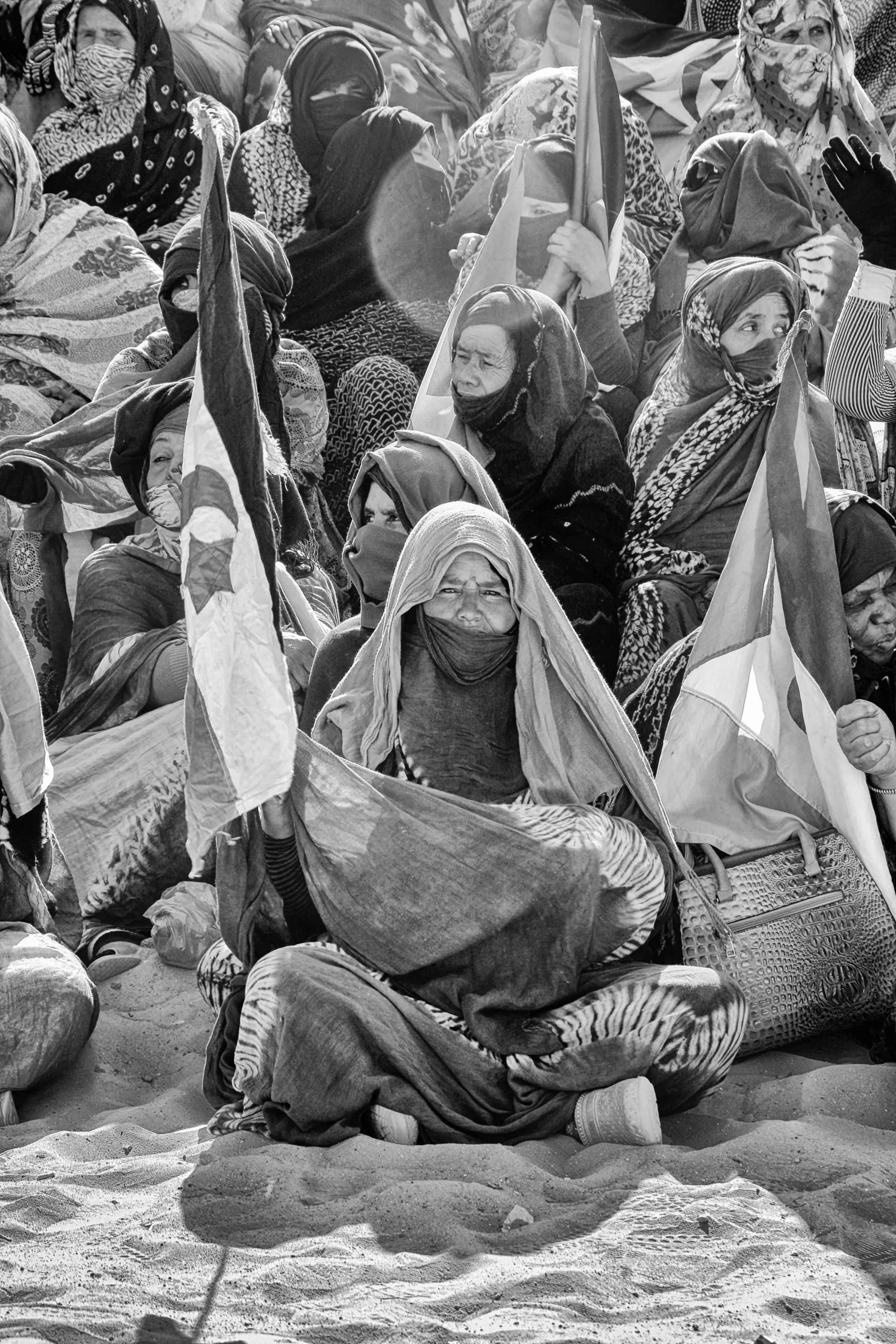
The messages transmitted called for national unity and the overcoming of traditional social and tribal divisions. In this regard, poetry’s role was transformative, even radical, in the task of nation-building for a new future.
Watch Um Murghia Abdullah perform 'The Sahara is Not For Sale' at our Sahara Nights event in 2013. Learn more about this event.
The impact of these poems was enhanced further by Shaheed El Ouali, who released their first album, Grupo Nacional de Cantos y Danzas Populares, dominated by the sound of the traditional drum (ettabel), handclapping, and the acoustic guitar, which had already entered the Sahrawi music scene through the Spaniards in the final years of colonial rule in the late 1960s.
The most emblematic of its songs was the famous “The Sahara Is Not For Sale” (“Sahara ma timbah”), sung by Um Murghia Abdullah, one of the foremost Sahrawi revolutionary singers
The Poetess: Al Khadra
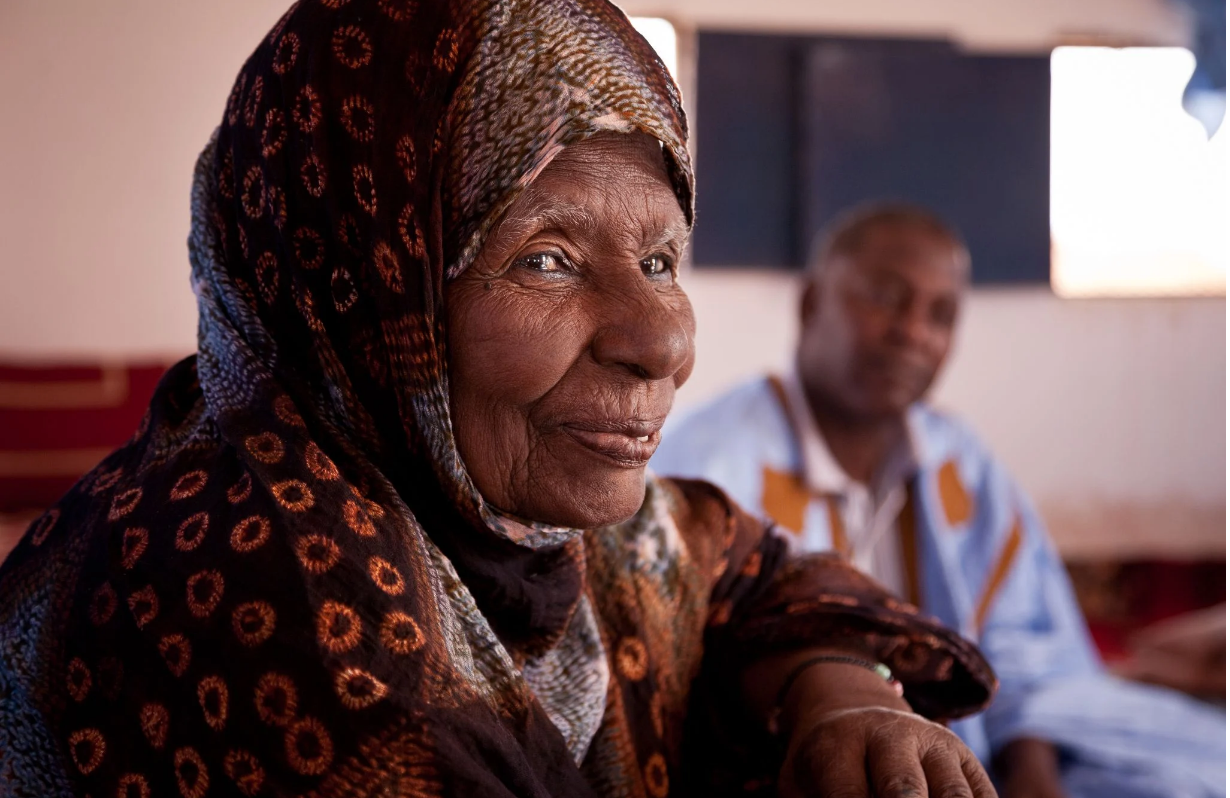
Born in 1934, Al Khadra Mint Mabrook, known as Al Khadra, was an internationally recognized Saharawi Poet, sometimes called the Poet of the Rifle. Her voice was a revolutionary force throughout decades of Saharawi resistance. She wrote influential and insightful poems documenting the war and displacement experienced by her people.
Al Khadra was able to draw from her own life experiences and from those of her community, spanning the years before and after the start of Moroccan Oppression.
The “Poets of Protest” series by Al Jazeera, featured in the video above, offers an insightful look into her life and poetry.
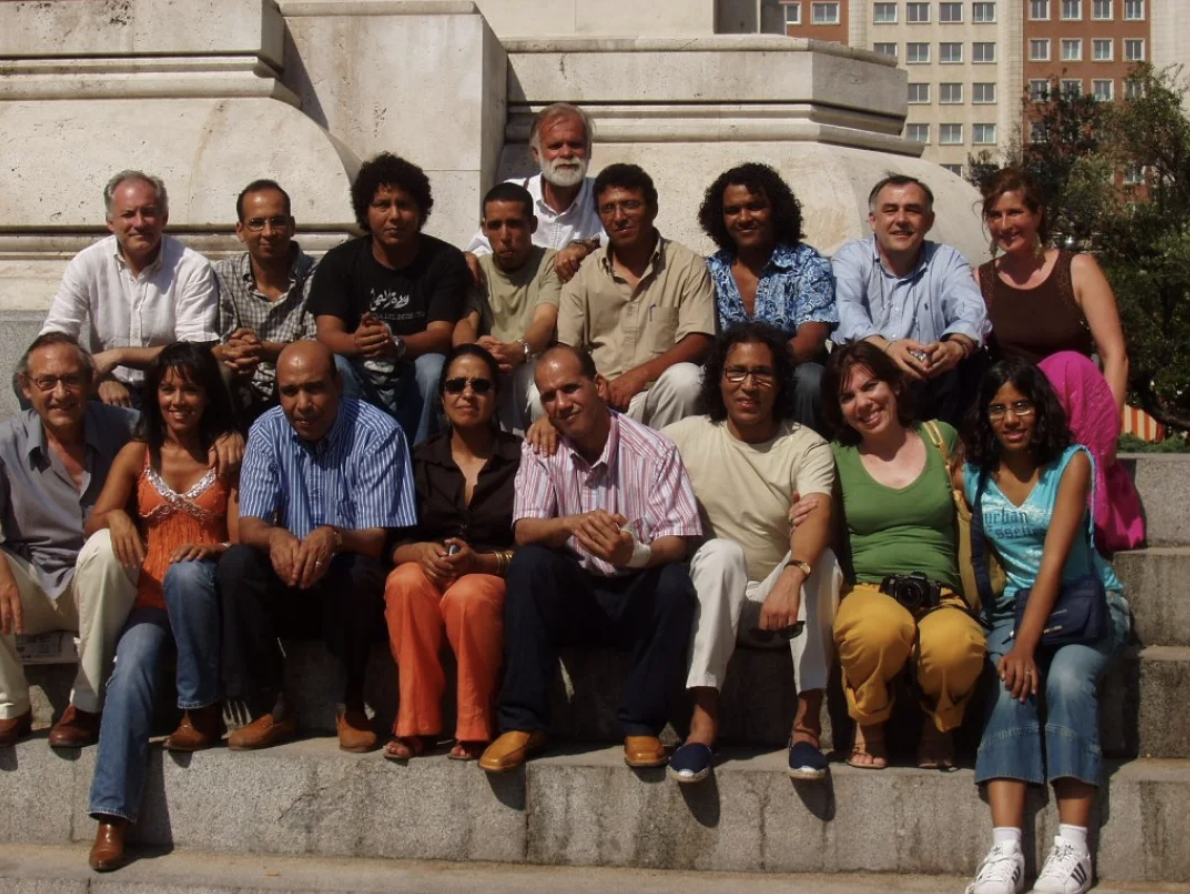
Generación de la Amistad Saharaui:
In 2005, Sandblast had the fortune and honor of being involved in promoting the work of the Saharawi literary collective Generación de la Amistad Saharaui. We helped organise a series of poetry workshops at SOAS and Leeds university, inviting Saharawi poets and English poets to work on translating a series of poems for the publication of the first ever bilingual anthology of Saharawi Spanish poetry- 31, published in 2006.
This number reflected the years in 2006 that the Saharawis had either spent under Moroccan occupation or in exile.
Poetry and Music at Desert Voicebox
With oral histories and poetry being such an integral part of Saharawi culture, Sandblast has made sure to promote this cultural practice through our Desert Voicebox programme. Our activities seek to empower Saharawi youth to discover their voices and speak out against injustice, helping them to become the next generation of change makers and advocates for their cause.
During one of our Creative Workshops, run by multimedia artist Anastasia Oleinik, in 2024, our level 3 and 4 students composed the lyrics for a song that became titled Zombies in the Air. The lyrics were inspired by photos they had taken in a previous photo workshop also by Ms Oleinik, which focused on expressing emotions and characters visually. In that photo workshop many of the students had shown a fascination for representing the zombie character.
These visuals plus the situation in Gaza and the war in Western Sahara influenced the responses and words of the students which transformed into the poignant song.:Zombies in the Air. The song was first performed publicly in rap style at the annual Artifariti Arts and Human Rights festival in the refugee camps in Oct of 2024. Zombies in the Air, which is sung in English and Hassaniya, expresses the thoughts and feelings of Saharawi refugee children through a modern blend of old and new traditions.
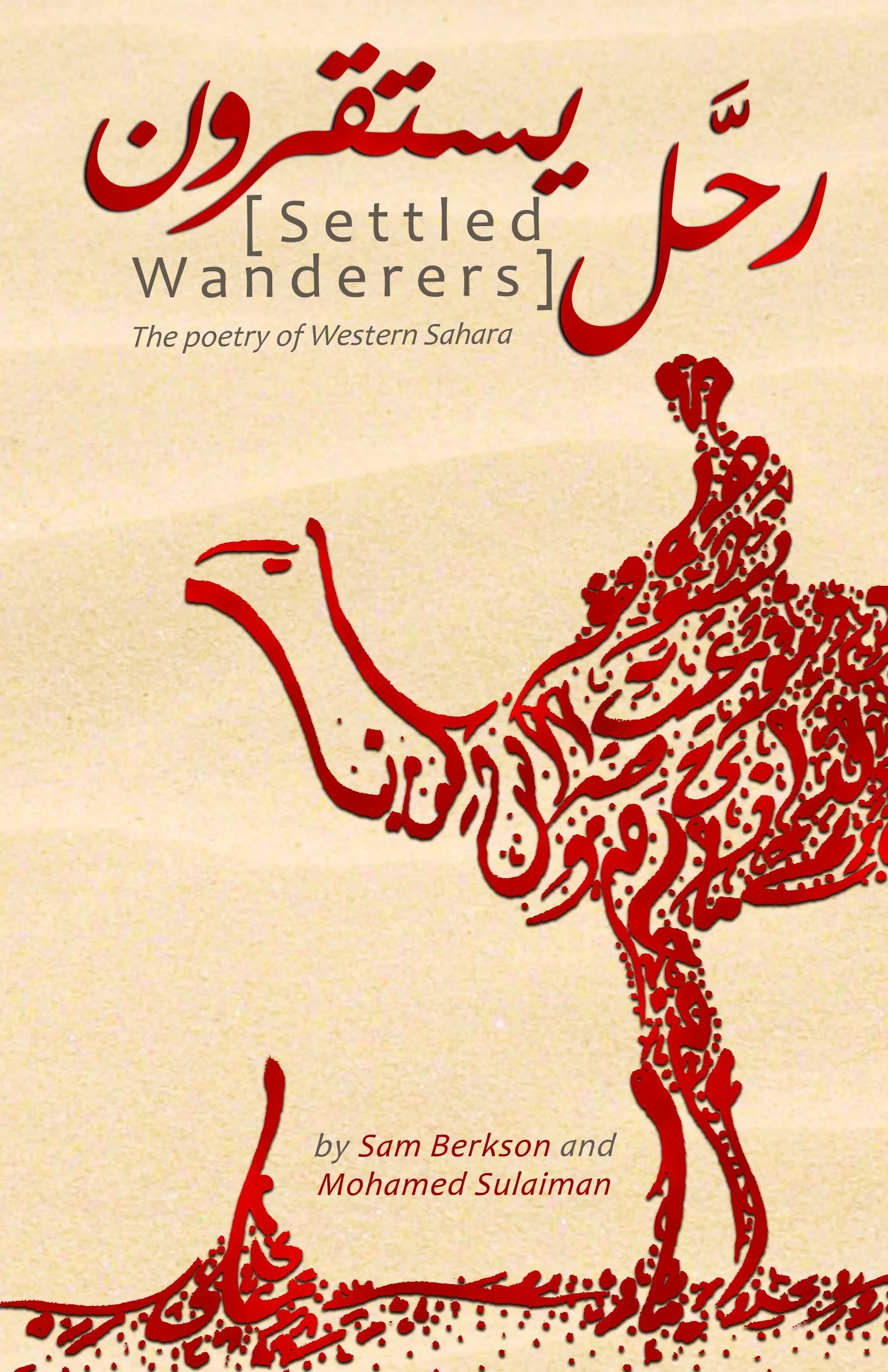
Settled Wanderers
'Settled Wanderers is a collection of interpreted (Hassaniya to English) poems from the greatest living poets of the Western Sahara, such as Badi, Bayibouh and Al Khadra. The book offers English speakers, for the first time ever, the chance to appreciate the power and prowess of Saharawi poetry in the historical context of this long under-reported struggle.
In 2013, poet Sam Berkson was invited by the charity Olive Branch to visit the Saharawi refugee camps as a poet in residence. In March 2014, following a successful crowdfunding campaign, Influx Press raised enough money to send him back to gather and translate some of the contemporary poetry of the Saharawi.
Read this wonderful article about famous Saharawi poets based in the refuge camps, some of whom sadly have died since the article was published in 2020.