
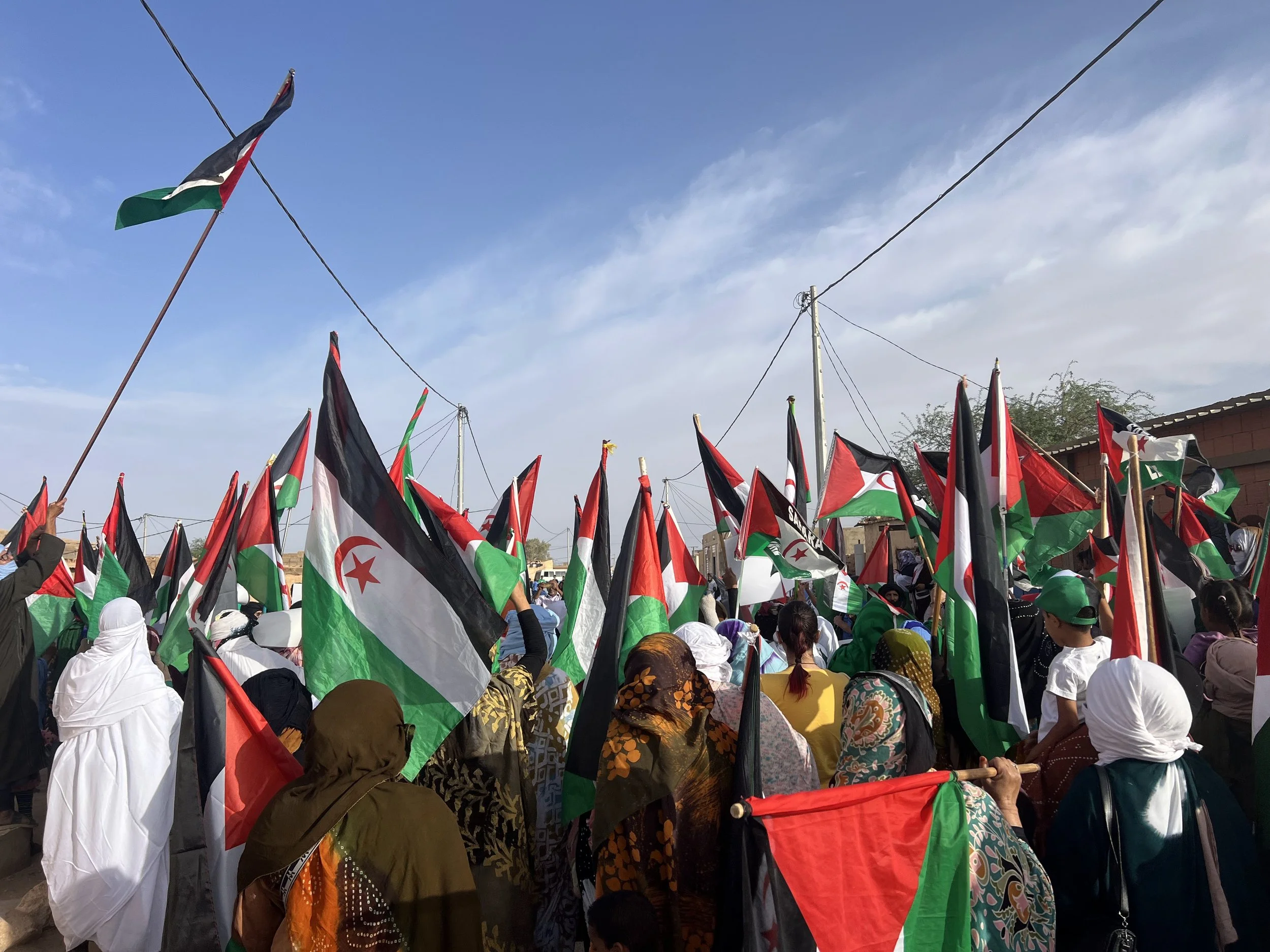
After 35 years of UN peacekeepers in the region, the non-renewal will result in their departure, with an increased risk of renewed hostility.
What was MINURSO?
MINURSO was established in 1991 to monitor the UN declared ceasefire and prepare for a referendum on Saharawi self-determination. For three and a half decades, it was the only consistent international presence on the ground in Western Sahara. It served as the eyes and ears of the international community in a territory where the Saharawi people, due to a longstanding embargo on journalism in the occupied territories, are unable to document and report on their own well-being.
Despite its promise of a referendum, that promise was never fulfilled.
The ceasefire that MINURSO was created to monitor has been under severe strain since hostilities resumed in 2020. Without observers on the ground, the risk for resumed violence and brutality will only increase.
Key Takeaways:
On 31 October 2026 the mandate of MINURSO expired after the Security Council failed to renew it in an international vote
The deadlock and ultimately the non-renewal is largely attributed to a U.S. draft resolution that made Morocco’s autonomy plan the sole basis for talks, renamed the mission and diluted the Frente POLISARIO’s status
Russia vetoed the text and Washington opposed a simple one-year extension.
Activists urge US government officials to reassess the 2020 recognition of Moroccan sovereignty, and encourage the restoration of a neutral UN process which will resist measures that prejudge the outcome or marginalise the POLISARIO.
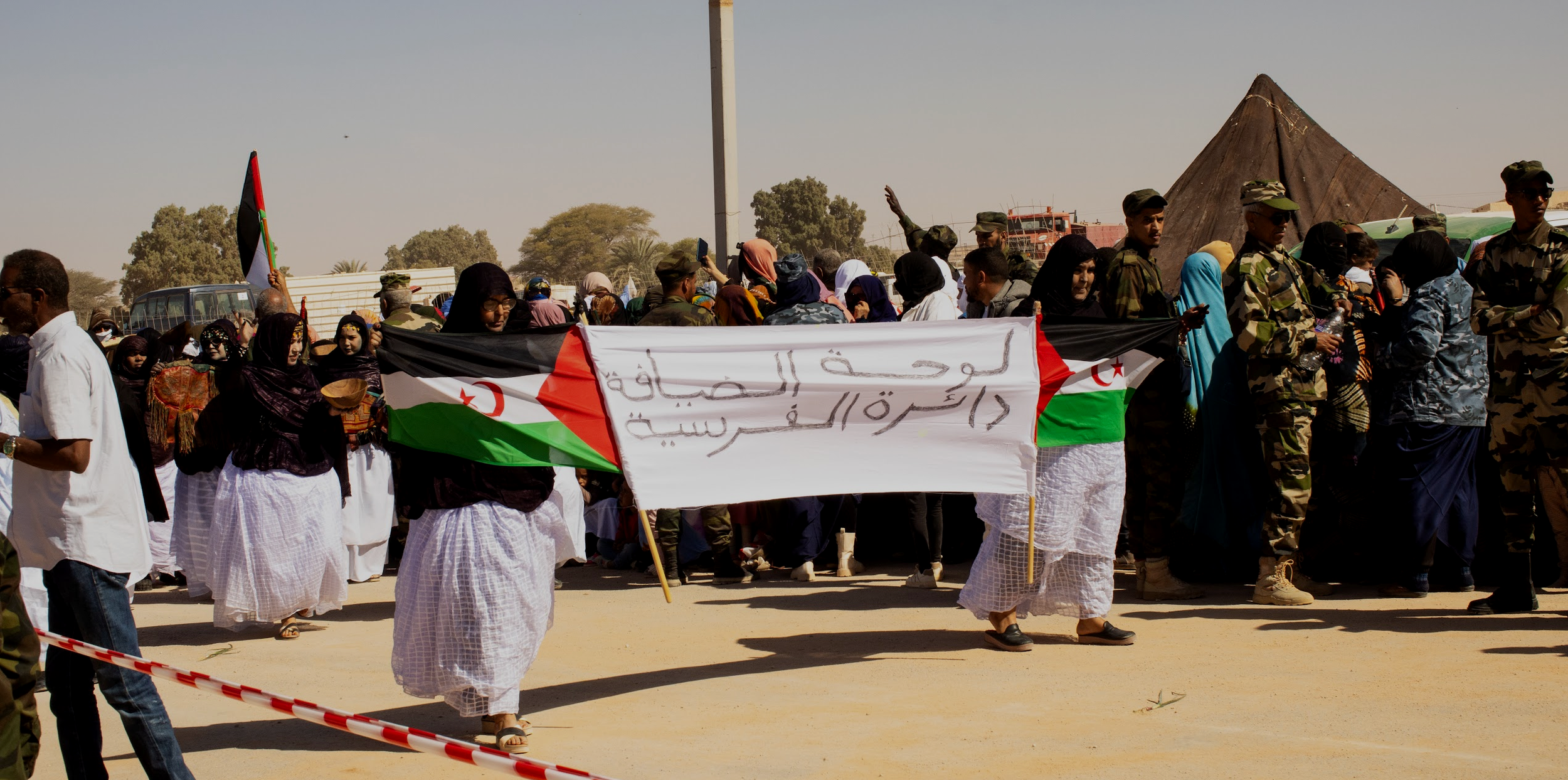
The Circumstances
For thirty-five years, the United Nations Mission for the Referendum in Western Sahara, abbreviated as MINURSO, served as the primary and most longstanding international oversight in Western Sahara. On October 30, 2026, this chapter of unfilfilled promises came to a close.
The United States put forward a draft resolution that would have extended the mission for one year but fundamentally altered the mission’s central pillars. This new draft proposed renaming MINURSO to "MINUSO”. By dropping the word "Referendum" Morocco’s autonomy plan advances to become the sole basis for negotiations. This subtle, yet not insignificant alteration, aligned with the shift in US policy over recent years, moving away from the original promises of the UN.
Russia vetoed this draft. Moscow then proposed its own resolution for a straightforward one-year renewal under the existing terms. That draft failed to secure the required nine votes, receiving only three in favor, with the United States voting against and eleven members abstaining.
The result: no mandate. No renewal. No mission.
“This 1 November 2026 marks the start of the liquidation period,” Stéphane Dujarric, spokesperson for the UN secretary-general, said, adding that a smaller team would oversee the withdrawal of personnel and the closure of its bases.”
- Madjid Serrah, The New Arab News
What This Change Means for Sandblast’s Work
The loss of UN support makes our work more crucial than ever.
For more than 20 years, Sandblast has stood in solidarity with the Saharawi people, supporting their cause and uplifting their voices through advocacy, education, and the arts.
Our work does not depend on the Security Council, it depends on the resilience of the Saharawi people and the support of our international, grassroots community.
We urge you to make a contribution to our projects, so that we can continue to fight for Saharawi human rights. Together, we can work to ensure their story is not erased.
We work with the Saharawi people to preserve and amplify their culture. Culture is a form of resistance, especially for the Saharawi people. Through uplifting their music, their language, and their stories we advocate for their cause, reminding the international stage that the Saharawi children, artists, teachers, and families have not lost hope.
However, this is a perilous moment.
The international justice system has failed. The referendum that MINURSO was named for, has yet to be brought to fruition. The peace process is now managed solely through the offices of the Secretary-General’s Personal Envoy, Staffan de Mistura—a diplomatic channel with no peacekeeping presence to support it.
What Comes Next?
The dissolving of MINURSO’s branches and staff will take months, and the impact will continue long after. The political question of Western Sahara’s future remains unresolved.
Panama’s ambassador to the UN, speaking after the vote, said the end of the mandate "marks the beginning of a new chapter" and we ask: a chapter written by who?
What remains certain, is that the determination, spirit, and resilience of the Saharawi people perseveres. Their culture, their language, and their claim to self-determination will continue to endure, until they are able to return to their homeland.
