
Noreen is our Resident Teacher Trainer, and is acting as a pilot of our newly expanded teacher training programme. She will be on the ground living and teaching alongside our educators, helping their pedagogical skills take flight.
To help shed light on Noreen’s work on the ground, and share more about her qualifications, her aspirations, and the future of our teaching model, we created this first installment of this three part interview series.
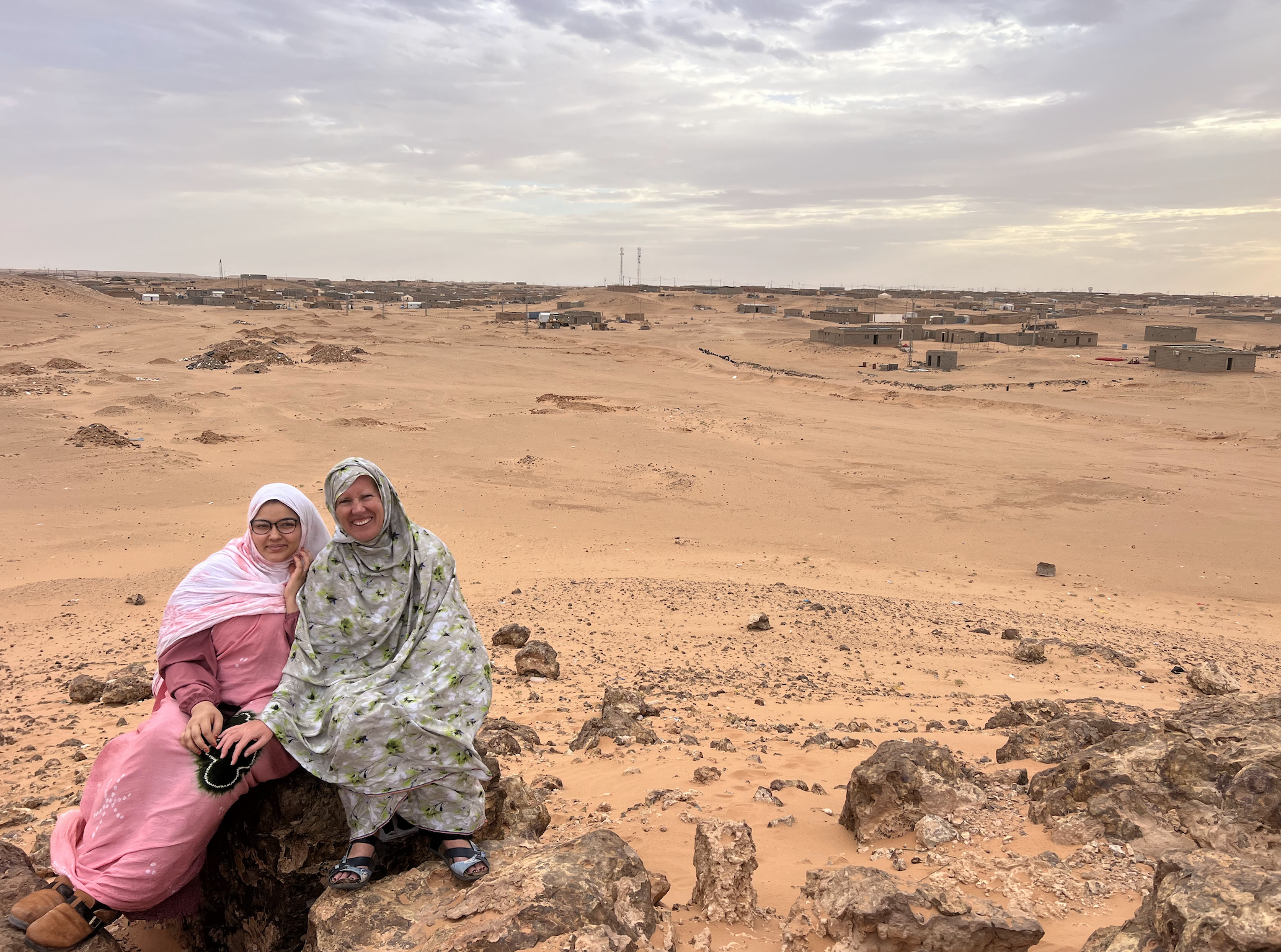
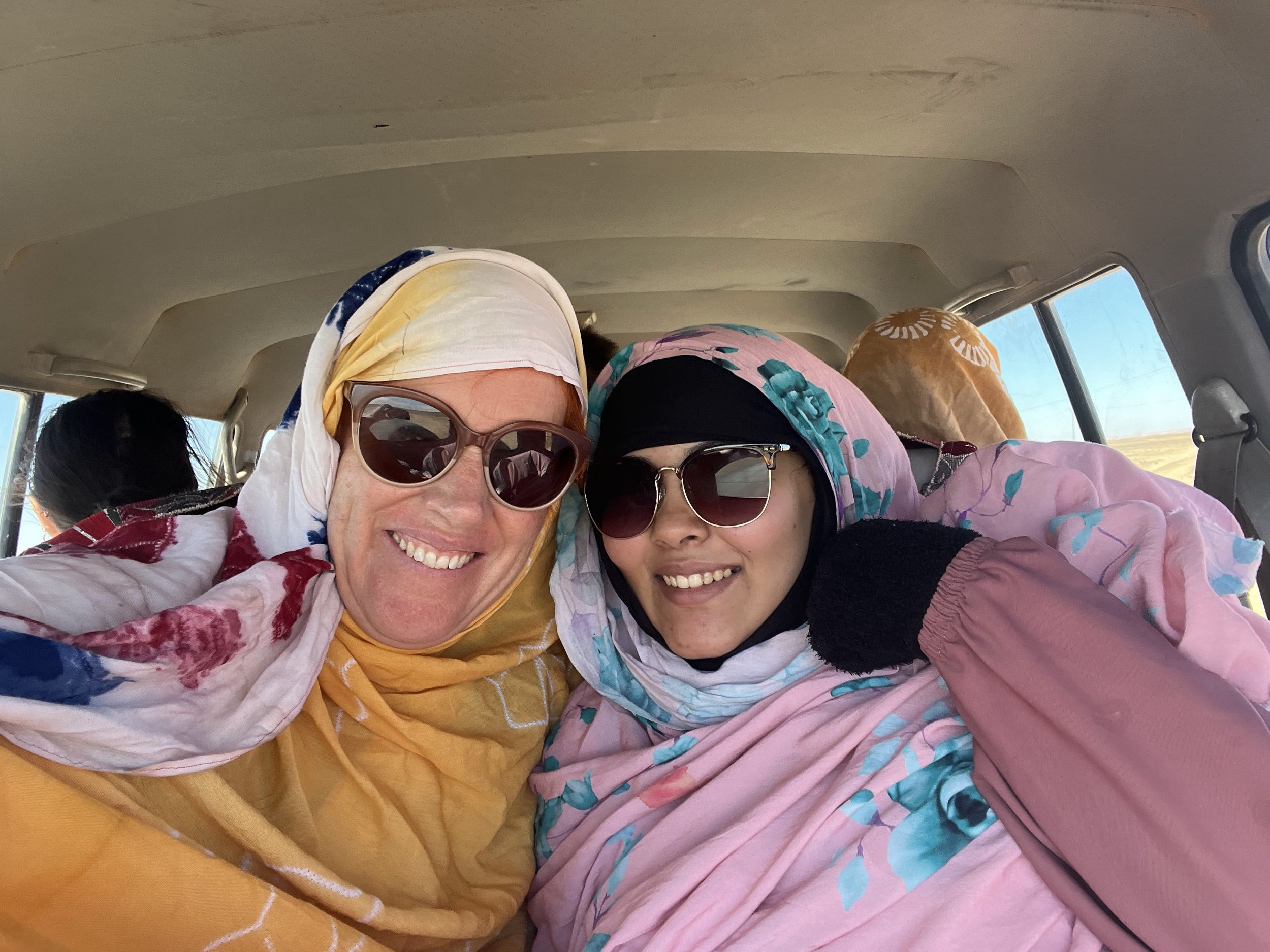
We received dozens of applications from teachers all over the world, eager to make a contribution to our project and support our teachers. Our teachers and team were overwhelmed at the show of support and the community that came forward to help Desert Voicebox reach its potential, to all the educators, past and present, we thank you. Noreen was chosen for her veteran teaching skills and specialized qualifications, making her the ideal candidate for all the responsibilities attached to embarking as our the first resident teacher trainer and co-teacher.
This is a big step for the future of Desert Voicebox, as we have ambitions for our Teacher Training programme to expand and train teachers for students across all the wilayas.
We asked Noreen, in her own words, to invite us into her experience on the ground as it unfolds, and share about her journey as an educator that lead her to cross paths with us.
Could you introduce yourself? Who are you, what do you do, and what has your journey as a teacher or educator looked like so far?
Noreen shared that her journey as an educator has taken her across different countries and cultures, including Ireland, The UK, Honduras, China, France and Spain. Her international experiences shaped her understanding of education, cultural exchange and the importance of adapting to different communities and educational contexts.
“Working across these continents has given me an appreciation for different people's experiences, perspectives and approaches to learning.” She also shares how It has also reinforced the belief that teaching is about much more than delivering a lesson or simply teaching a language. She feels that teaching is about “building relationships, creating an environment where people feel confident enough to learn, and helping both teachers and students recognise their own potential.”
Her experience has made her increasingly interested in teacher training and development, particularly in supporting teachers to develop practical skills, reflect on their teaching, and create positive learning environments, “I am interested in how we can make classrooms more engaging, inclusive and English-rich through effective lesson planning, clear classroom language, consistent routines and an understanding of the learning environment.” Having lived, worked and gained experience in international contexts, Noreen values learning from people whose backgrounds and experiences differ from her own.
What drew you to Desert Voicebox? Have your experiences working with other communities influenced your decision to come?
“I have always wanted to find a way to bring together my professional experience and my desire to support communities facing difficult circumstances, but I wasn’t sure how to make that happen. When I saw the Sandblast Arts advert for a co-teacher on a project focused on sustainable development, I immediately knew this was the opportunity I had been looking for. The skills and experience required were exactly those I had developed throughout my career, and Desert Voicebox felt like a natural way to put them to meaningful use. It offered me the chance to combine my passion for education with my desire to contribute to something bigger than myself, while supporting a community whose story deserves to be heard and recognised.”
“What particularly appealed to me was the long-term and practical approach to the teacher training. I believe that investing in teachers is one of the most effective ways to support sustainable development. By sharing knowledge, developing practical skills and building confidence, we can help teachers strengthen their own practice and continue passing that knowledge on to future generations.”
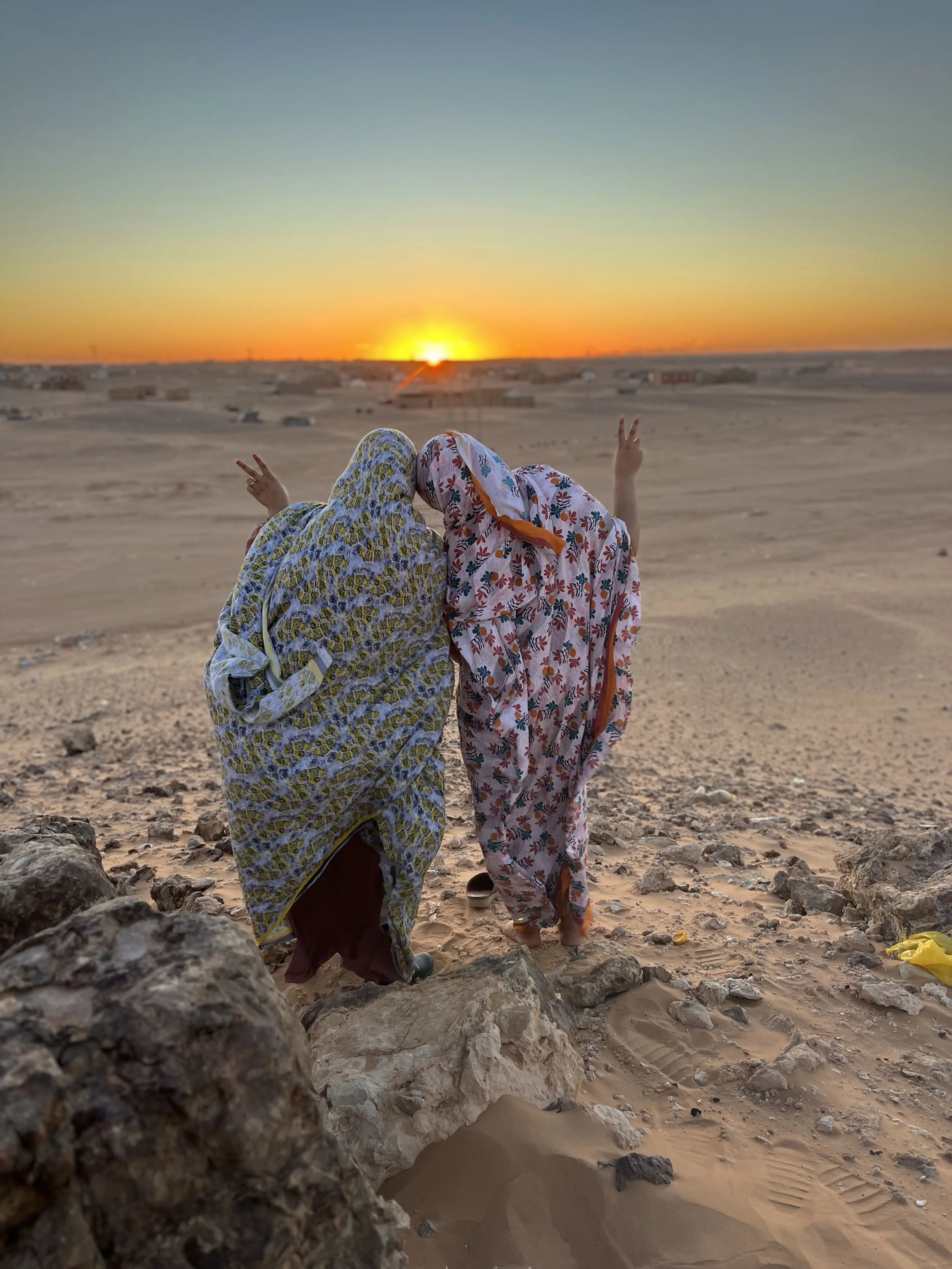
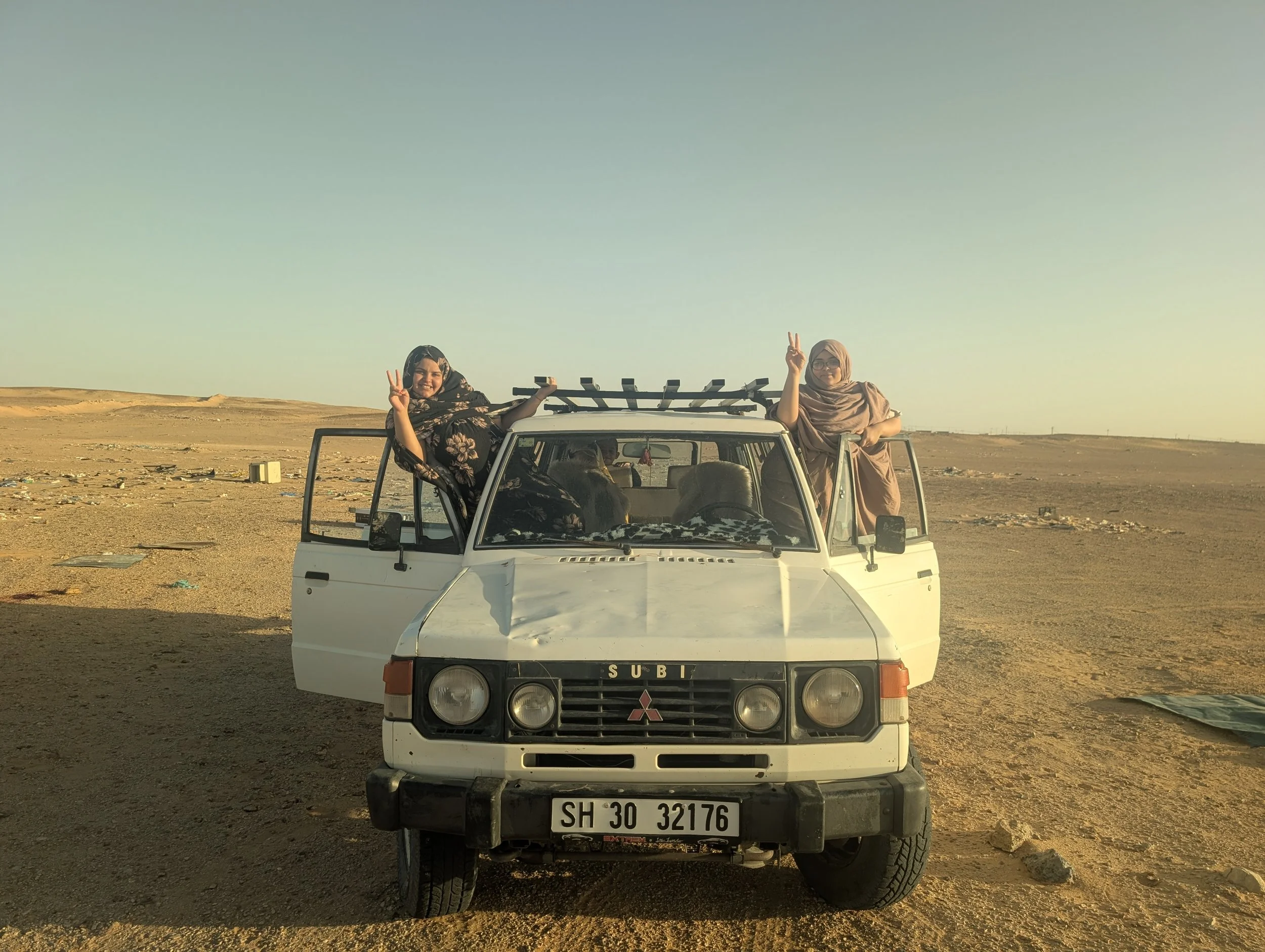
What were you thinking and feeling when you first arrived in the camps?
“Ready, I felt ready. The Sandblast team were incredibly supportive and communicative in the lead-up to my arrival, so I already had a good understanding of where I was going, what was expected of me and how I would be welcomed. I was also genuinely excited. I had never worked in a refugee camp before, so although I had an idea of what to expect professionally, I was coming into a completely new environment. Having already met some of the teaching staff online, I was particularly looking forward to finally meeting them in person.”
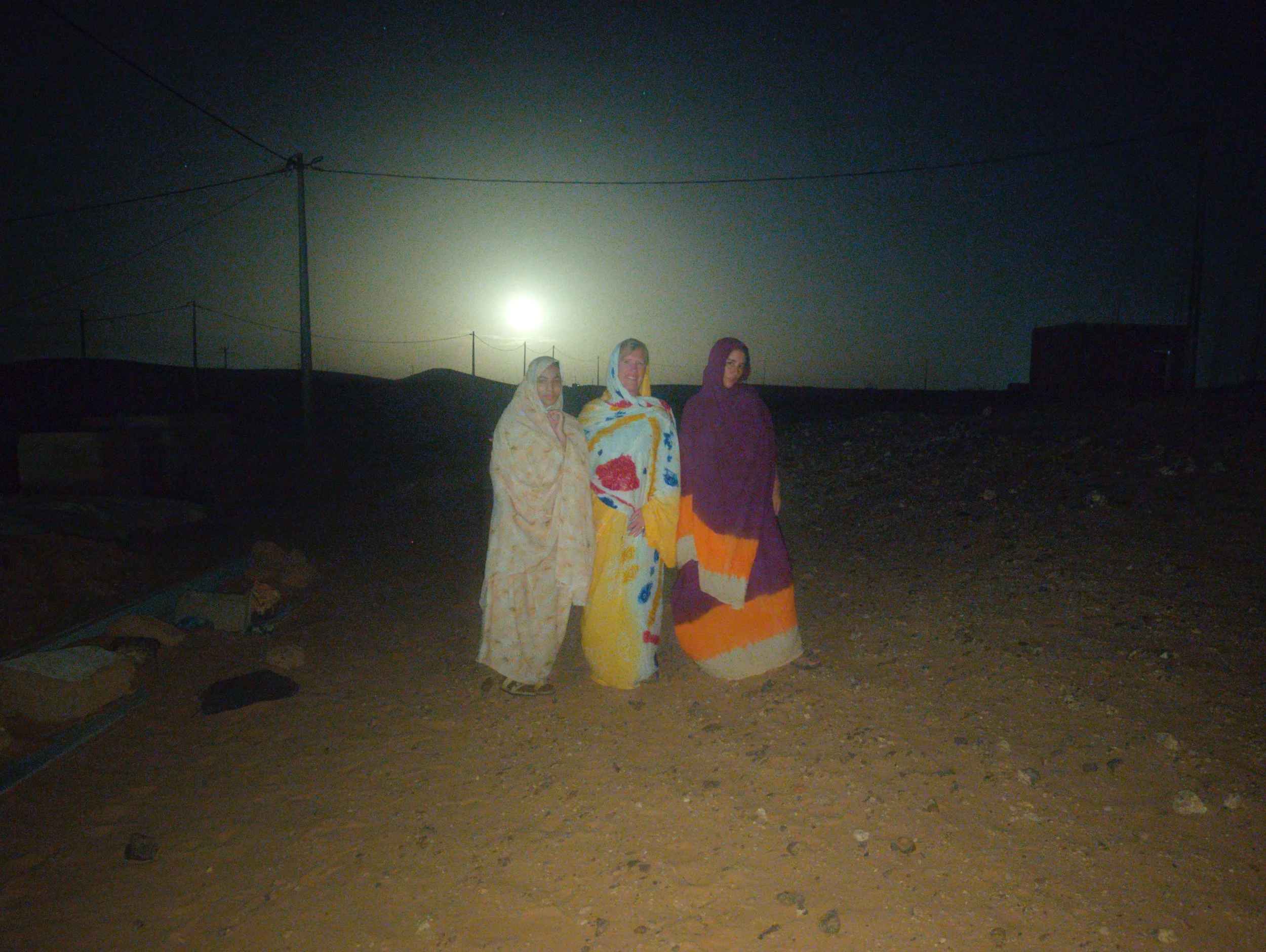
I have always believed that people, wherever they are in the world, are fundamentally good, caring and welcoming, and my arrival in Boujdour only reinforced that belief. The warmth of the people made me feel at ease very quickly, and within just a few days, what had initially been an unfamiliar place began to feel like a home away from home.
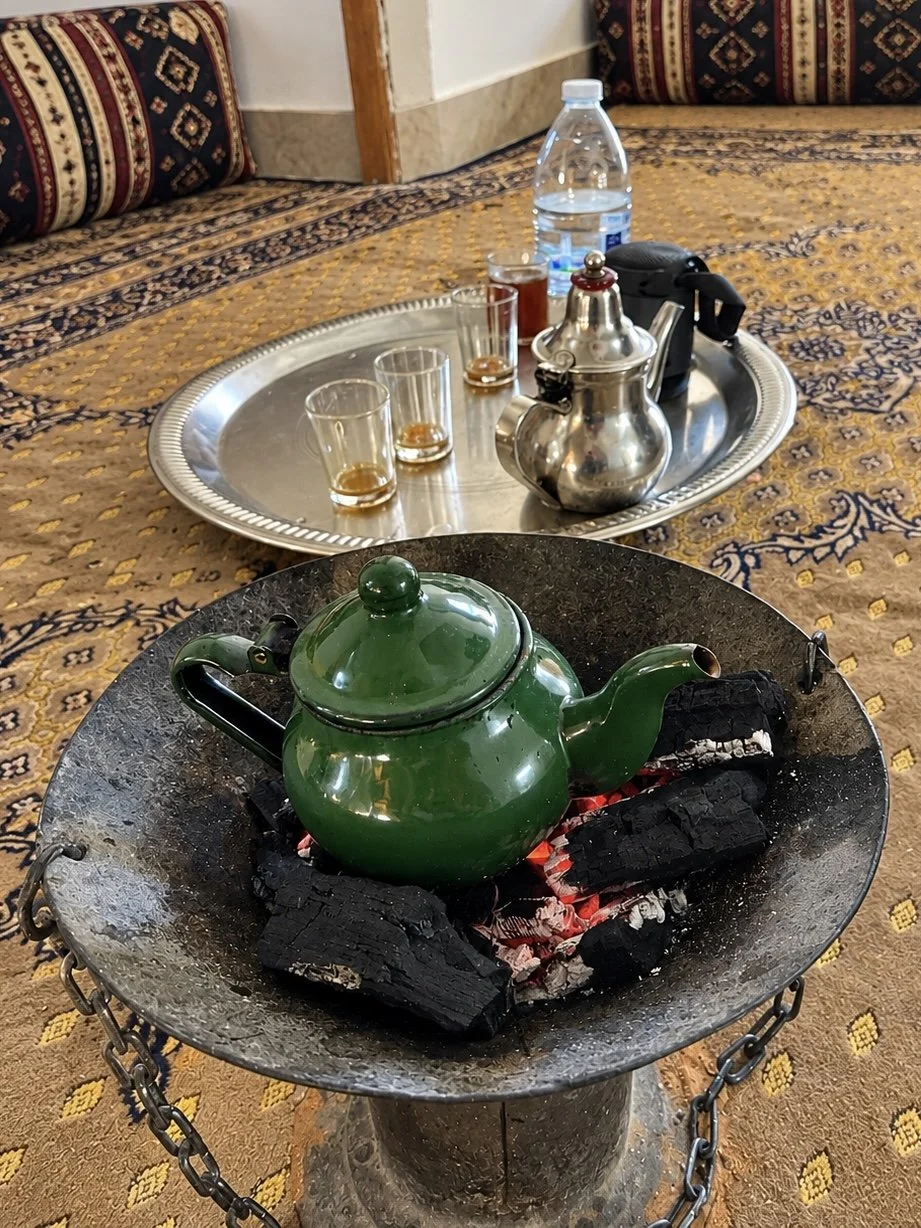
I was also glad I had allowed myself some time to settle in before starting the training. Everything was new, and I needed time to adjust, not just mentally but physically too! My hips, back and legs certainly appreciated a few days to get used to sitting on the floor for tea, meals and conversations. Those moments of sharing tea and spending time together became an important part of settling in and getting to know people beyond the training environment.
What surprised you most about the camps or your first experiences here?
“What surprised me most was how familiar the camps felt, despite being somewhere so different from anywhere I had lived or worked before. There is something immediately welcoming about the people and the sense of community, yet the camps have a very particular identity and reality that I am still learning to understand.”
“I was struck by the contrast between the beauty of the place and, above all, its people, and the difficult political reality in which they live. There is a sense of permanence in the homes, schools and everyday routines, with people building lives, raising families and creating communities. Yet beneath the rhythm of everyday life lies the reality of displacement, of lives shaped by imposed limitations and of a deep-rooted hope that they one day will return to their homeland.”
“I find this contrast particularly powerful. Life goes on, people work, teach, laugh and welcome you into their homes, while the wider uncertainty remains. It has made me reflect on how people create a sense of belonging and build meaningful lives even when their circumstances are far from what they would have chosen for themselves.”
What are you most excited about or looking forward to during your time at Desert Voicebox?
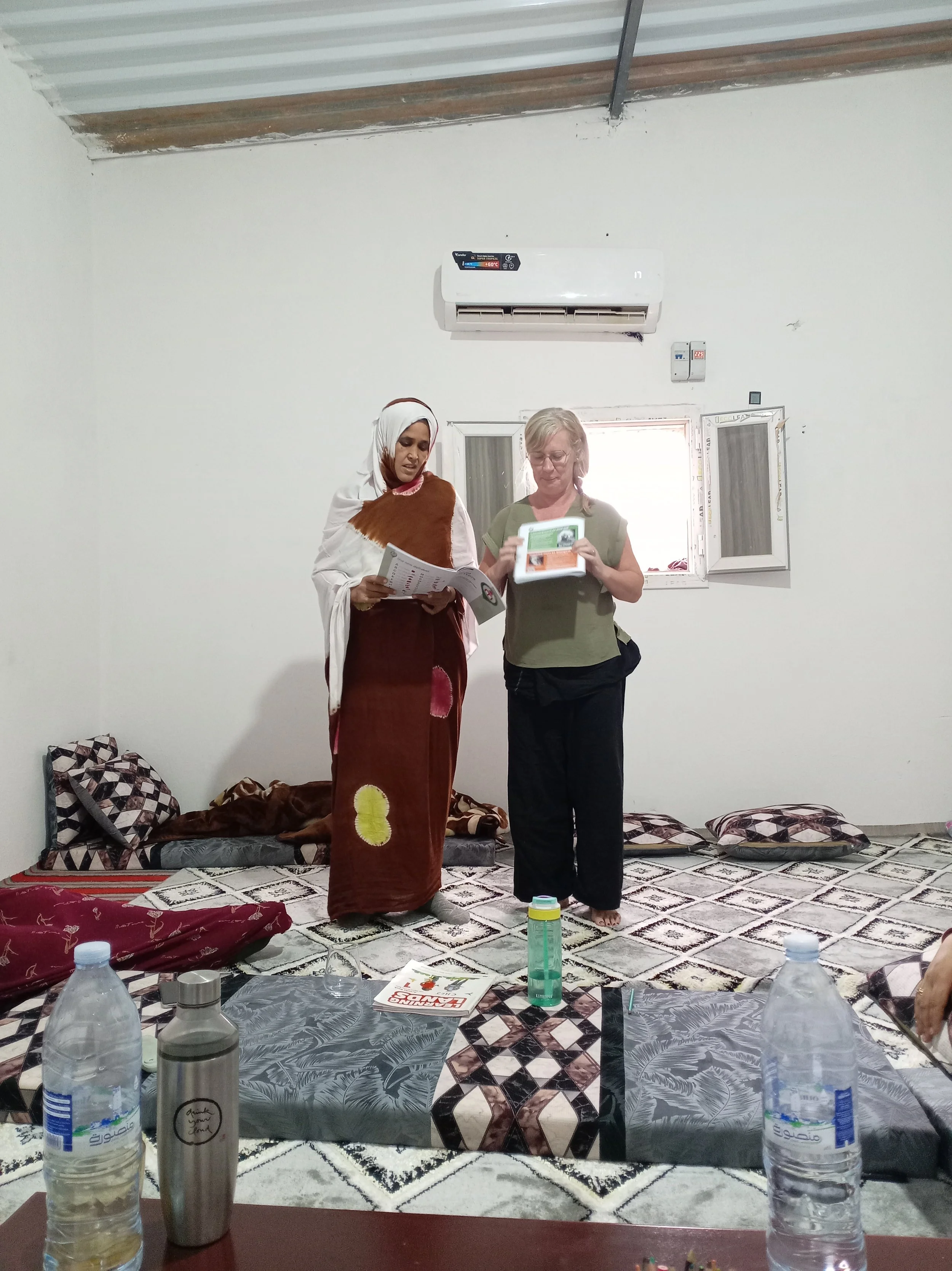
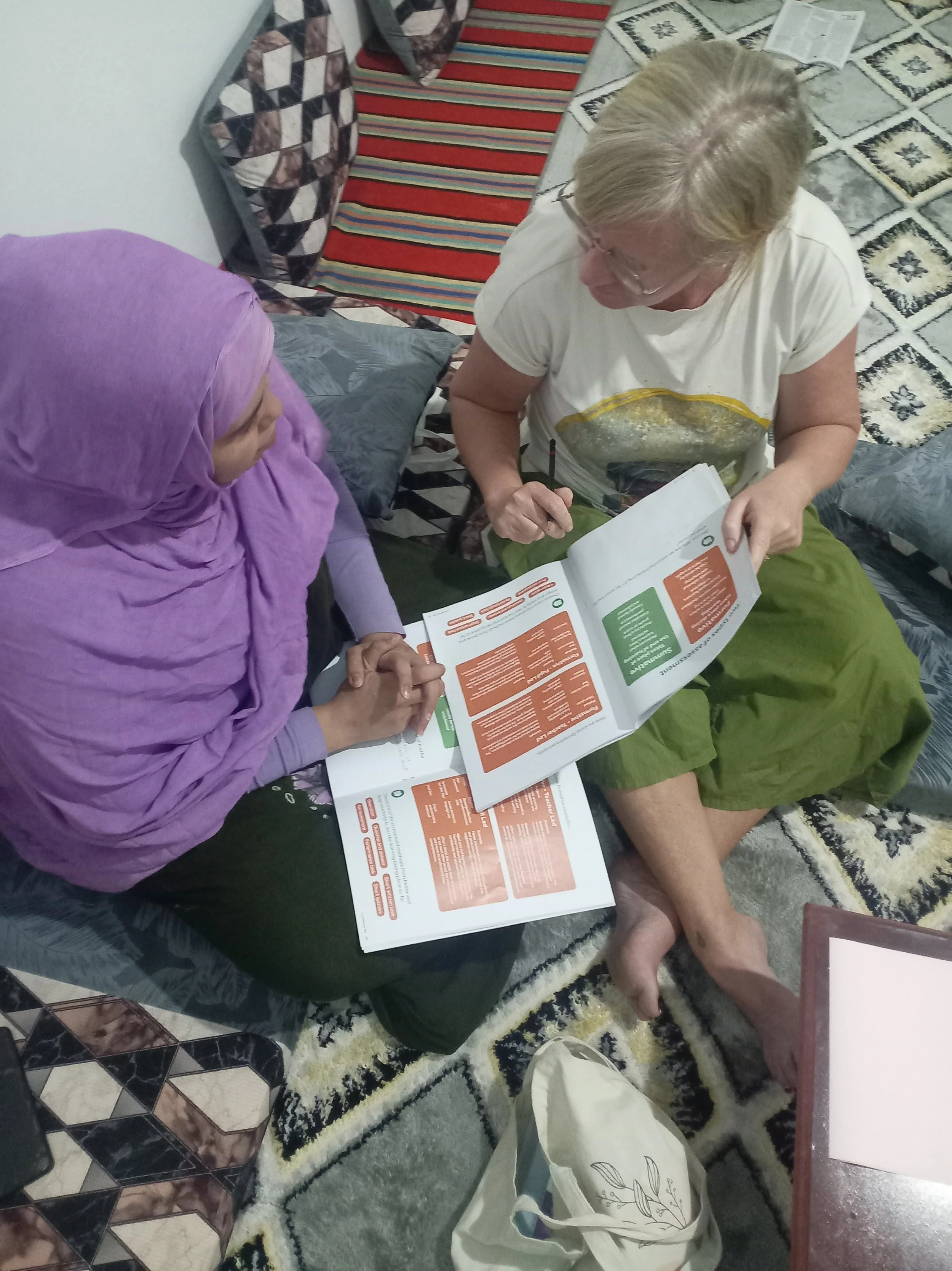
“What excites me most is seeing how the teachers develop throughout the training and, most importantly, how they put what they learn into practice in their own classrooms. I am particularly looking forward to being here to support them through that process, not just during training sessions but in the everyday reality of teaching.”
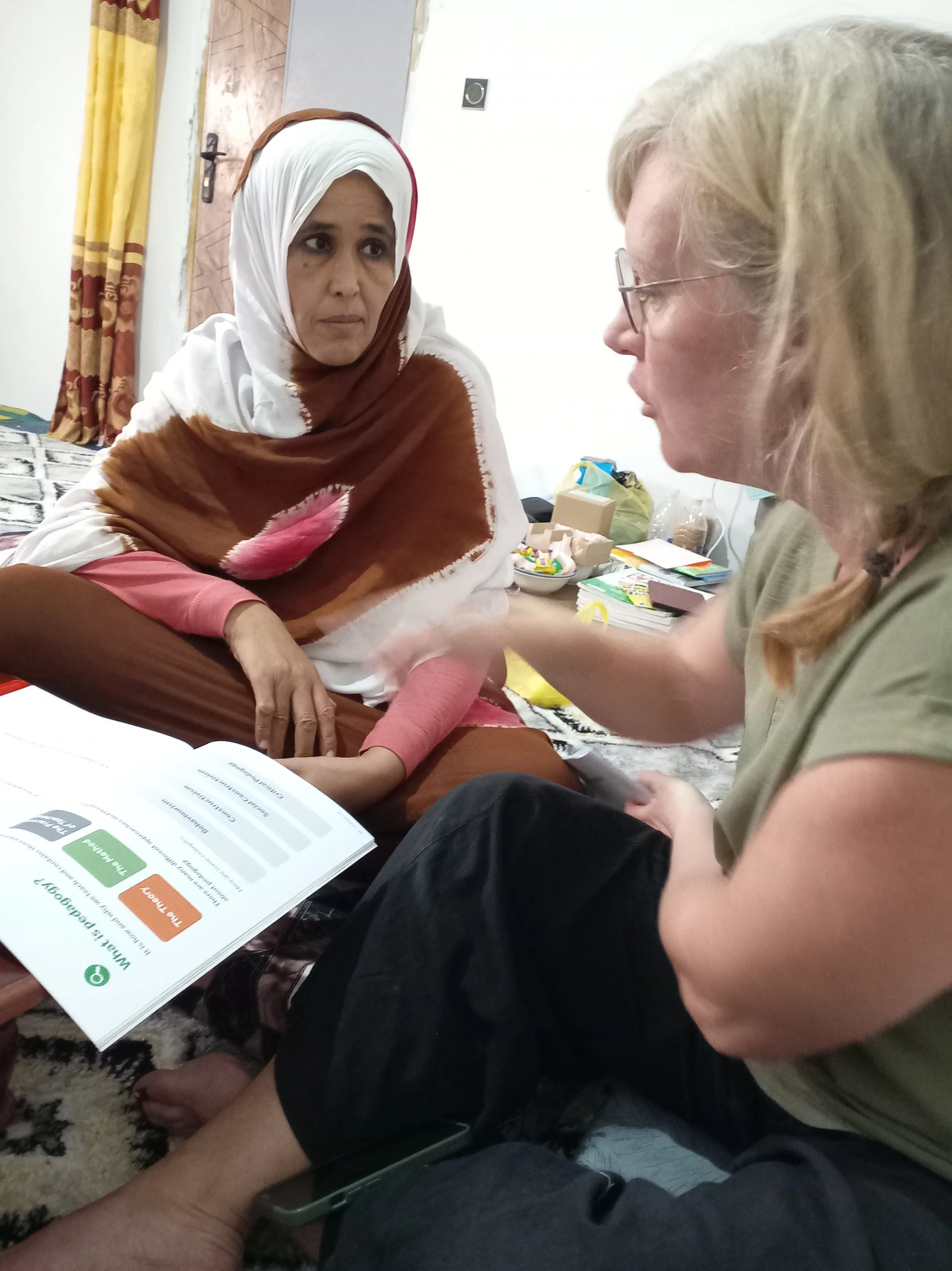
One of the things Noreen values most about Desert Voicebox’s teacher training programme, is that the support continues beyond the training itself. Noreen’s ongoing presence gives teachers the opportunity to continue to discuss the new approaches, and builds the confidence to try them, reflect on what works, and learn from what doesn’t.
“I believe this is where some of the most meaningful learning happens. We can discuss teaching methods in a training room, but nothing replaces the experience of putting them into practice, seeing the impact on students and learning from those experiences.”
What is your biggest goal or aspiration as an educator, and how does this experience at Desert Voicebox connect to it?
Working towards a career in the humanitarian sector, where she can apply her experience as an educator to make a tangible difference to people’s lives, Noreen is interested in contributing to initiatives that support communities. She hopes to improve access to education and create opportunities for people to develop their skills and potential. Over time, she aspires to transition into project management and coordination, with meaningful, sustainable projects that have a lasting impact.
“I want my work to have a purpose beyond the day-to-day and to make a meaningful contribution to the lives of the people I work alongside. Education is one way I can achieve this. By supporting teachers, building their confidence and helping them develop their practice, I can contribute to sustainable change that extends beyond individual training sessions or classrooms.”
She finds that working with Desert Voicebox is a step towards this goal, providing an opportunity to work within a refugee context. This grants an understanding of the realities and challenges of humanitarian work more closely, while she learns from the Sahrawi teachers and the community itself. She adds, “I see Desert Voicebox as an opportunity not only to contribute what I can now, but also to learn, grow and better understand how I can make a meaningful contribution in the future.”
